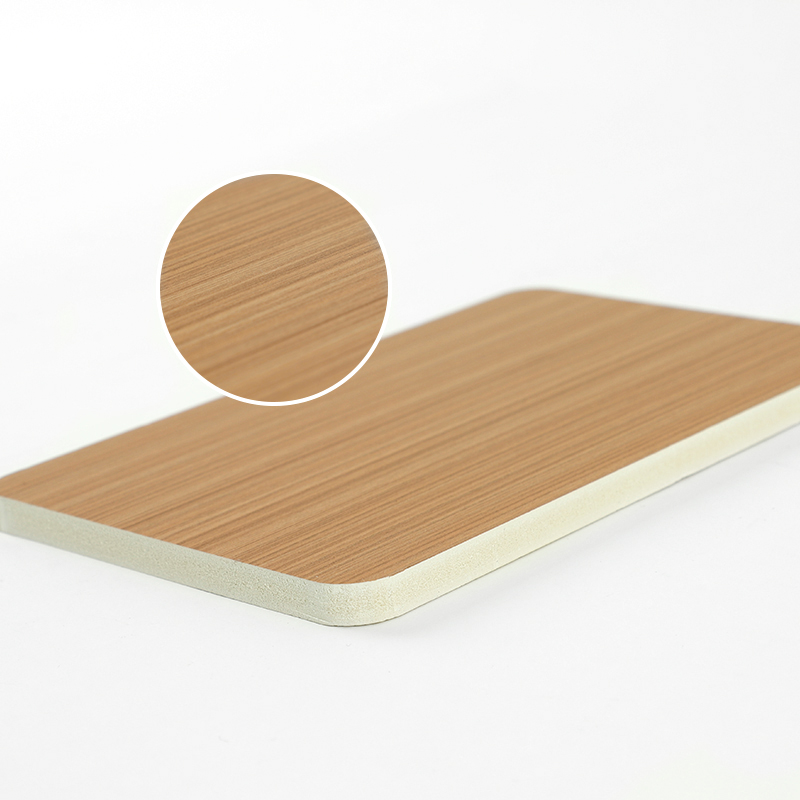
Wood paneling is a classic and elegant addition to any home, but it can be difficult to keep clean. Dust and dirt can accumulate on the surface, making the paneling look dull and lifeless. Fortunately, with a few simple cleaning techniques, you can restore the beauty of your wood paneling and keep it looking like new for years to come.
1. Wood paneling: A brief overview
Wood paneling has been a popular choice for interior walls for centuries. It adds warmth and character to a room, and can be a beautiful focal point. Wood paneling can be found in a variety of styles, from traditional tongue-and-groove boards to modern plywood panels. It can be stained or painted to match the decor of a room, and can be installed vertically, horizontally, or in a decorative pattern.
History of wood paneling
Wood paneling has a long and storied history. It was first used in Europe in the Middle Ages, when large planks of wood were used to cover the walls of castles and churches. In the 16th and 17th centuries, wood paneling became more decorative, with intricate carvings and inlays. It was a sign of wealth and status, and was often found in the homes of the nobility.
In the 18th and 19th centuries, wood paneling became more accessible to the middle class. It was used to cover the walls of parlors, dining rooms, and bedrooms. The introduction of steam-powered saws made it easier and cheaper to produce decorative moldings and trim. Wood paneling became a popular choice for American homes in the colonial and federal styles.
Different types of wood paneling
There are many different types of wood paneling to choose from, each with its own unique characteristics. Tongue-and-groove paneling is a traditional style that features interlocking boards. This type of paneling is often used in cabins and cottages, and can be stained or painted to match the decor of a room.
Plywood paneling is a more modern option that is often used in contemporary homes. It is made from thin layers of wood veneer glued together, and can be found in a variety of finishes. Plywood paneling is lightweight and easy to install, making it a popular choice for DIY projects.
Veneer paneling is another option, made from a thin layer of real wood glued to a substrate. This type of paneling is more affordable than solid wood paneling, and can be found in a variety of species and finishes.
Where wood paneling is typically used
Wood paneling can be used in any room of the house, but is most commonly found in living rooms, dens, and bedrooms. It adds warmth and character to a space, and can be a beautiful focal point. Wood paneling can also be used in commercial spaces, such as restaurants and hotels, to create a cozy and inviting atmosphere.
2. Importance of cleaning wood paneling
Wood paneling is a beautiful and timeless addition to any home, but it requires regular cleaning and maintenance to keep it looking its best. Dust and dirt can accumulate on the surface, making the paneling look dull and lifeless. Grease and fingerprints can also be a problem, especially in high-traffic areas like kitchens and hallways.
In addition to removing dirt and grime, regular cleaning can help to protect the finish of the wood paneling. Over time, dust and dirt can scratch the surface, causing the finish to wear away. This can lead to more serious problems, such as warping and cracking. By cleaning your wood paneling regularly, you can help to extend its lifespan and keep it looking like new for years to come.
Preventing damage to wood paneling
Wood paneling is a durable and long-lasting material, but it can be susceptible to damage if not properly cared for. One of the biggest threats to wood paneling is moisture. Excessive humidity can cause the wood to warp and crack, while standing water can cause it to rot. To prevent damage from moisture, it’s important to keep the humidity level in your home between 30 and 50 percent.
Another threat to wood paneling is direct sunlight. UV rays can cause the finish to fade and the wood to become discolored. To prevent damage from sunlight, it’s important to keep your wood paneling out of direct sunlight. This can be done by using curtains or blinds to block the sun’s rays, or by rearranging your furniture to keep your paneling in the shade.
Maintaining the finish of wood paneling
The finish of wood paneling is what gives it its beauty and luster. Over time, however, the finish can wear away, leaving the wood looking dull and lifeless. To maintain the finish of your wood paneling, it’s important to clean it regularly and to use the proper cleaning products.
When cleaning your wood paneling, it’s important to use a gentle cleaner that won’t strip the finish. Avoid using harsh chemicals or abrasive cleaners, as these can damage the surface of the wood. Instead, use a mild soap and water solution, or a cleaner specifically designed for wood. Be sure to follow the manufacturer’s instructions and to test the cleaner on a small, inconspicuous area before applying it to the entire surface.
3. Tips for cleaning wood paneling
Cleaning wood paneling can be a daunting task, but with the right techniques and tools, it can be a breeze. Here are some tips to help you keep your wood paneling looking its best.
Assessing the type of wood paneling
Before you start cleaning your wood paneling, it’s important to assess the type of paneling you have. Different types of wood paneling require different cleaning techniques, so it’s important to know what you’re working with. Tongue-and-groove paneling is a traditional style that features interlocking boards, while plywood paneling is a more modern option made from thin layers of wood veneer. Veneer paneling is another option, made from a thin layer of real wood glued to a substrate.
Gathering the right cleaning supplies
To clean your wood paneling, you’ll need a few basic cleaning supplies. A vacuum cleaner with a brush attachment is great for removing dust and dirt from the surface of the paneling. A soft cloth or sponge is also necessary for wiping down the paneling. For stubborn stains, you may need a mild soap and water solution, or a cleaner specifically designed for wood.
Step-by-step cleaning process
Once you’ve assessed the type of wood paneling you have and gathered the right cleaning supplies, it’s time to get to work. Start by vacuuming the paneling to remove any loose dust and dirt. Be sure to use the brush attachment to get into the grooves and crevices. Next, use a soft cloth or sponge to wipe down the paneling, starting at the top and working your way down. For stubborn stains, use a mild soap and water solution, or a cleaner specifically designed for wood. Be sure to follow the manufacturer’s instructions and to test the cleaner on a small, inconspicuous area before applying it to the entire surface.
Dealing with stubborn stains and marks
Even with regular cleaning, stubborn stains and marks can sometimes be a problem. Grease and fingerprints can be especially difficult to remove, especially in high-traffic areas like kitchens and hallways. To deal with stubborn stains and marks, it’s important to act quickly. The longer a stain sits, the harder it will be to remove. Use a mild soap and water solution, or a cleaner specifically designed for wood, and be sure to follow the manufacturer’s instructions. If the stain persists, you may need to sand the affected area and refinish it.
4. Conclusion
Wood paneling is a beautiful and timeless addition to any home, but it requires regular cleaning and maintenance to keep it looking its best. By following these tips and techniques, you can keep your wood paneling looking like new for years to come. Remember to assess the type of paneling you have, gather the right cleaning supplies, and deal with stubborn stains and marks as quickly as possible. With a little effort, you can enjoy the beauty of your wood paneling for many years to come.