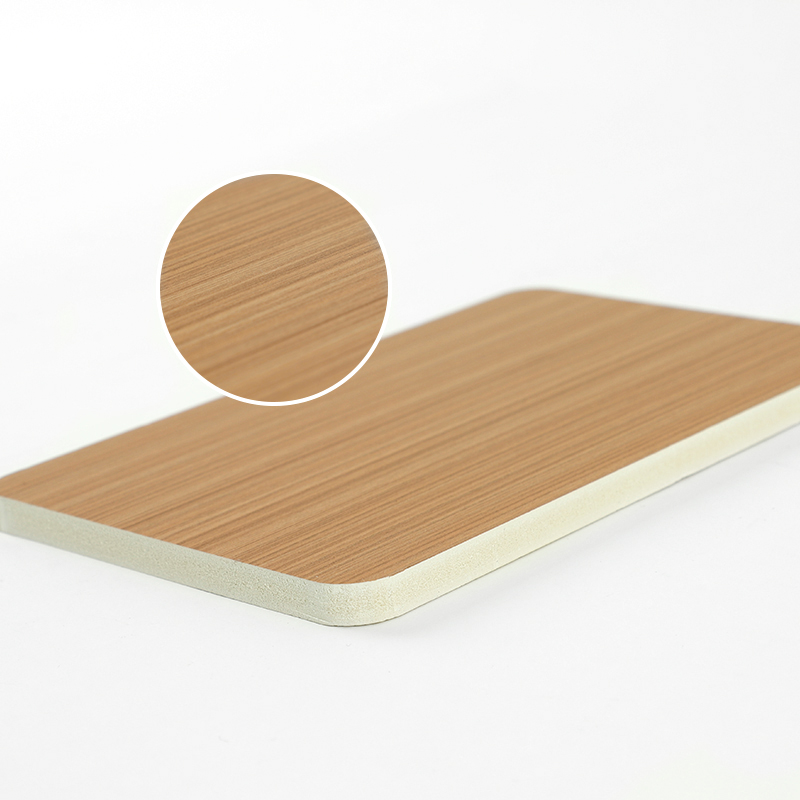
The modernization of interior design has seen a significant shift toward materials that combine aesthetic elegance with functional longevity. Among these innovations, the WPC wall panel (Wood Plastic Composite) has emerged as a premier choice for professionals looking to enhance commercial and public spaces such as libraries, dance studios, and high-end office environments. Understanding the installation process is the first step in unlocking the full potential of these versatile architectural elements.
To install WPC wall panels, you must first prepare a clean, dry surface, measure the area accurately, and choose between the direct glue-on method for smooth walls or the screw-and-frame method for structured surfaces. The process involves cutting the panels to size, applying adhesive or securing them to a keel system, and ensuring each tongue-and-groove joint is tightly fitted for a seamless, professional finish.
While the installation might seem daunting to a beginner, it is designed to be intuitive and efficient. This guide will walk you through every technical detail, from the material composition of a WPC wall panel to the specific tools required for a flawless execution. By following these professional standards, you can ensure your project benefits from the superior sound absorption and underfoot comfort that high-quality WPC products provide.
Table of Contents
What Is a WPC Wall Panel?
The Benefits of WPC Wall Panels
What You’ll Need
Easy Ways to Install WPC Panels
Tips for a Perfect Installation
Where Can You Use WPC Wall Panels?
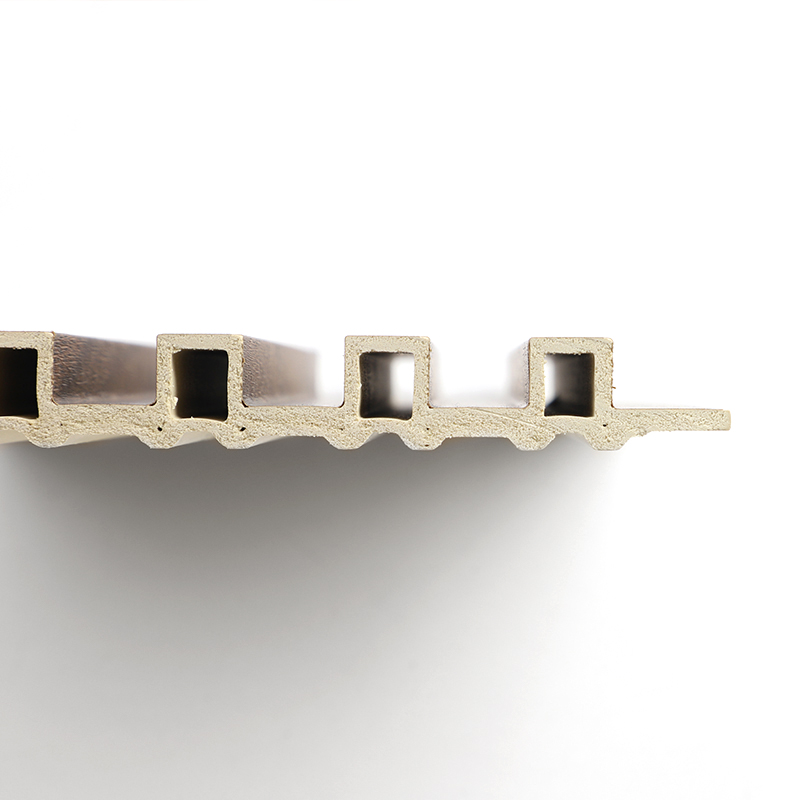
What Is a WPC Wall Panel?
A WPC wall panel is a sophisticated interior surfacing material manufactured from a precise blend of recycled wood fibers and high-quality thermoplastics, resulting in a composite that mimics the natural warmth of timber while offering the structural integrity of synthetic polymers. The engineering behind a WPC wall panel is what sets it apart from traditional solid wood or PVC alternatives. By combining organic wood flour with stabilizing agents and polymers, manufacturers create a product that does not warp, crack, or splinter over time. This composite nature ensures that the WPC wall panel remains stable in various indoor temperatures, making it an ideal investment for large-scale commercial projects that require consistency across thousands of square feet.
Furthermore, the physical structure of a WPC wall panel often includes a hollow or fluted core. This design is intentional, as it reduces the overall weight of the material without compromising its strength. The hollow sections also act as a natural acoustic barrier, contributing to the "quiet" environment required in spaces like libraries or healthcare facilities. When you choose a WPC wall panel, you are opting for a high-tech solution that prioritizes both environmental responsibility and architectural performance.
The surface of a WPC wall panel is typically treated with a high-definition film that can replicate a variety of textures, from deep walnut grains to contemporary metallic finishes. This protective layer is not just for show; it provides a barrier against daily wear and tear. In professional settings like gymnasiums or dance rooms, where wall contact might occur, the resilience of the WPC wall panel ensures the facility remains pristine for years with minimal intervention.
The Benefits of WPC Wall Panels
The benefits of WPC wall panels include their remarkable low maintenance requirements, sustainable manufacturing process, high aesthetic versatility, and superior durability, which collectively make them the most cost-effective solution for modern interior cladding.
1. Low Maintenance
Unlike natural wood, which requires periodic sanding, staining, or sealing, a WPC wall panel maintains its vibrant appearance with just a simple wipe-down using a damp cloth. This is a critical advantage for high-traffic areas like kindergartens or hospitals where hygiene and ease of cleaning are paramount. The surface of the WPC wall panel is non-porous, meaning it does not harbor dust or allergens.
2. Sustainable
Every WPC wall panel contributes to a circular economy by utilizing recycled wood by-products and eco-friendly polymers. By choosing these panels over solid timber, you are actively reducing the demand for deforestation. This sustainability factor is often a key requirement for green building certifications and corporate social responsibility goals in modern construction.
3. Aesthetic Appeal
The visual range of a WPC wall panel is nearly limitless, offering designers the ability to create bespoke atmospheres. Whether you are looking for the cozy warmth of a traditional library or the sleek, minimalist look of a modern corporate boardroom, there is a WPC wall panel texture to match. The seamless interlocking system ensures that the final result looks like a continuous, high-end architectural feature.
4. Excellent Durability
A WPC wall panel is designed to withstand the rigors of public use without showing signs of aging. It is resistant to impacts and does not suffer from the brittleness often associated with pure plastic panels. This durability ensures that the structural integrity of the WPC wall panel remains intact even in high-energy environments like fitness centers or dance studios.
5. Beautiful Finish
The finishing quality of a WPC wall panel is achieved through advanced thermal extrusion and high-quality laminates. This results in a product that feels premium to the touch and looks authentic from every angle. The precision-engineered edges of each WPC wall panel ensure that joints are nearly invisible, providing a flush and sophisticated surface finish.
6. Eco-Friendly
Beyond being made from recycled materials, a WPC wall panel is generally free from harmful volatile organic compounds (VOCs). This contributes to better indoor air quality, which is vital in sensitive environments such as nurseries, hospitals, and schools. Installing a WPC wall panel means prioritizing the health of the building's occupants.
7. Easy Installation
The lightweight nature and tongue-and-groove system of the WPC wall panel significantly reduce labor time and costs. Beginners can achieve professional results because the panels are designed to click together intuitively. This efficiency makes the WPC wall panel a favorite for rapid renovations where downtime must be minimized.
8. Lightweight Structure
Despite its strength, a WPC wall panel is surprisingly light, which places less stress on the building's walls and makes handling much safer for installers. This lightweight characteristic also simplifies the logistics of transporting the WPC wall panel to higher floors in commercial buildings without the need for heavy lifting equipment.
What You’ll Need
To successfully install a WPC wall panel, you will need a comprehensive kit of standard woodworking tools, including a circular or miter saw, a spirit level, measuring tape, high-strength construction adhesive, and a drill or nail gun depending on your chosen mounting method.
Before you begin the installation of your WPC wall panel, preparation is key. Having the right tools on hand prevents delays and ensures that each cut is precise. For the most professional finish, a miter saw with a fine-tooth blade is recommended for cutting the WPC wall panel to the exact height of your walls. This prevents splintering of the decorative top layer and ensures a clean edge for the corner trims.
Measurement is the foundation of a successful WPC wall panel project. You will need a reliable measuring tape and a chalk line or laser level to mark your starting points. Because walls are rarely perfectly plumb, using a spirit level throughout the process is essential to ensure that your first WPC wall panel is perfectly vertical. If the first panel is tilted, every subsequent panel will amplify that error.
Finally, consider the fastening materials. If you are using the glue method, ensure you have a high-tack, solvent-free construction adhesive that is compatible with both the wall substrate and the WPC wall panel material. For the frame method, you will need aluminum or wood battens (keels) and stainless steel clips or screws. These components work together to hold the WPC wall panel securely against the wall, accommodating any natural expansion and contraction.
Easy Ways to Install WPC Panels
There are two primary ways to install a WPC wall panel: the Glue Method, which involves applying adhesive directly to the back of the panel for a quick fix on smooth walls, and the Screw + Frame Method, which uses a skeletal structure of battens to support the panels on uneven surfaces.
1. Glue Method (For Flat, Smooth Walls)
The glue-on technique is the fastest way to transform a room with a WPC wall panel. This method is ideal for dry, plastered walls or existing flat surfaces. You simply apply beads of heavy-duty adhesive to the back of the WPC wall panel, press it firmly against the wall, and hold it for a few seconds. The tongue-and-groove edges of the WPC wall panel then allow the next piece to slide into place, hiding the seam and any potential glue squeeze-out.
2. Screw + Frame Method (For Uneven Walls)
If the wall surface is not perfectly flat, the frame method is the professional's choice for installing a WPC wall panel. First, you install horizontal or vertical battens (usually spaced 300mm to 500mm apart). The WPC wall panel is then fixed to these battens using hidden clips and screws. This creates a small air gap behind the WPC wall panel, which can be beneficial for cable management or additional acoustic insulation in a conference room or library setting.
The frame method also provides extra stability for the WPC wall panel in high-impact areas like gymnasiums. By securing the WPC wall panel to a rigid frame, you ensure that the surface remains flat and resilient even if the underlying wall has imperfections. This method is the standard for commercial-grade installations where longevity and precision are non-negotiable requirements for a WPC wall panel system.
Tips for a Perfect Installation
For a perfect WPC wall panel installation, you must always start from a fixed reference point like a corner or the floor, utilize a level tool frequently to maintain alignment, and adhere to the "measure twice, cut once" rule to avoid material waste.
1. Start from the bottom or one corner and work your way across
A successful WPC wall panel layout begins with a solid foundation. By starting from the bottom or a prominent corner, you can ensure that any small gaps or cuts are relegated to less visible areas, such as the ceiling line or the far corner of the room. This systematic approach allows you to lock each WPC wall panel into the previous one with maximum pressure, ensuring a tight fit.
2. Use a level tool to keep everything straight
Gravity and uneven floors are the enemies of a straight WPC wall panel installation. Even if the floor looks flat, always use a level to set your first panel. If your first WPC wall panel is off by even a millimeter, by the time you reach the end of a long hallway in a hospital or school, the lean will be obvious and unsightly. Constant checking is the hallmark of a professional WPC wall panel installer.
3. Don’t rush—measure twice, cut once
Because a WPC wall panel is a finished product, any mistake in cutting can be expensive. Take the time to measure the height of the wall at multiple points, as ceilings often sag or rise. When cutting the WPC wall panel, mark your lines clearly on the back of the panel to avoid scratching the decorative surface. Precision is what separates a DIY-looking job from a professional WPC wall panel masterpiece.
Where Can You Use WPC Wall Panels?
WPC wall panels are exceptionally suited for commercial and public environments such as libraries, conference rooms, dance studios, gymnasiums, hospitals, and kindergartens, where their sound-absorbing properties and comfortable tactile feel are most appreciated.
In a library or conference room, the primary goal is often acoustic control. The unique composition and fluted design of a WPC wall panel help to dampen echoes and absorb ambient noise, creating a focused and serene environment. When installed in these spaces, the WPC wall panel serves as both a decorative element and a functional acoustic treatment, replacing the need for bulky, unattractive foam panels.
For high-activity areas like dance studios and gymnasiums, the "foot feel" and impact resistance of the material are vital. While these are wall panels, their proximity to the floor and the overall environmental feel they create contribute to a sense of warmth and safety. A WPC wall panel provides a much softer, more inviting touch than cold concrete or hard drywall, making the space feel more professional and premium for athletes and dancers.
In healthcare and educational settings like hospitals and kindergartens, the safety and hygiene of the WPC wall panel are the leading selling points. The smooth finish does not trap bacteria, and the lack of splinters makes it safe for children. Furthermore, the excellent sound insulation of the WPC wall panel helps in creating a calm atmosphere in hospital corridors or busy classrooms, proving that the WPC wall panel is truly a multi-functional hero of modern interior architecture.
| Feature | WPC Wall Panel | Traditional Wood | PVC Panel |
| Sound Absorption | High (Fluted Design) | Medium | Low |
| Maintenance | Very Low | High (Needs Sealing) | Low |
| Durability | High | Medium (Scratches) | Low (Brittle) |
| Eco-Friendliness | High (Recycled) | Medium (Deforestation) | Low (Petroleum) |
| Acoustics | Excellent | Good | Poor |
In summary, the WPC wall panel represents the pinnacle of modern wall cladding technology, offering a rare combination of beauty, strength, and ease of use. Whether you are upgrading a quiet library or a high-energy fitness center, the installation of a WPC wall panel can be achieved efficiently by following the right steps and using the correct tools. By choosing this sustainable and durable material, you are ensuring that your interior space remains aesthetically pleasing and functionally superior for decades to come.