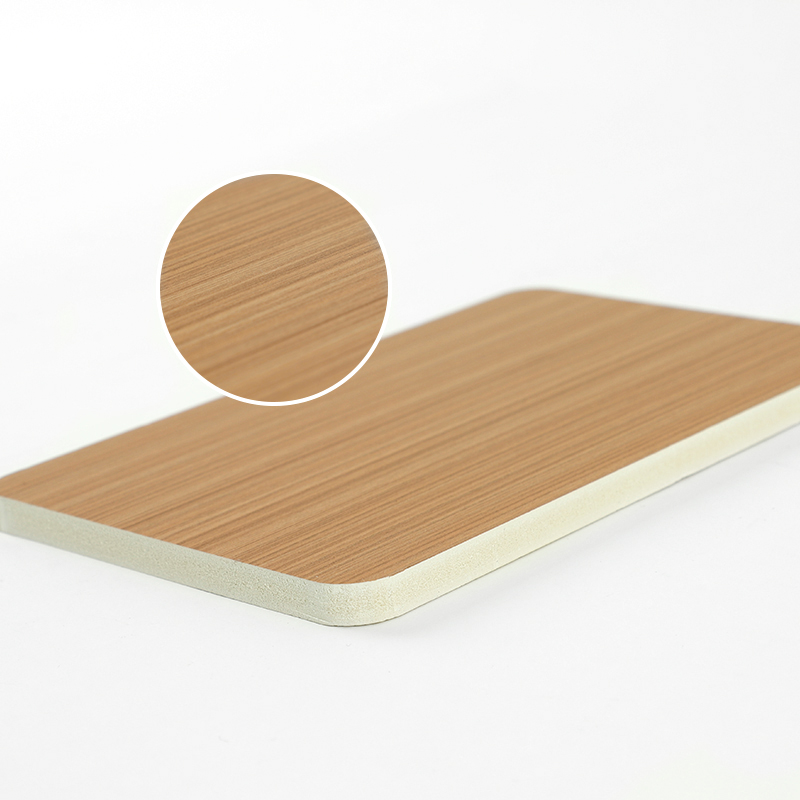
The modern architectural landscape is shifting toward materials that harmonize aesthetic elegance with high-performance functionality. Among these innovations, the WPC wall panel has emerged as a premier choice for sophisticated interior environments, ranging from educational institutions to professional corporate spaces. By combining the natural visual warmth of wood with the structural stability of advanced polymers, these panels offer a refined alternative to traditional wall treatments. Architects and interior designers are increasingly specifying the WPC wall panel to create professional, inviting atmospheres in high-traffic public and private sectors.
A WPC wall panel is a premium interior decorative solution engineered from a precise blend of recycled wood fibers and high-grade plastic polymers. It is specifically designed to provide an authentic wood texture while offering superior acoustic absorption and a comfortable tactile experience, making it an ideal choice for professional environments like libraries, conference rooms, and educational facilities.
In this comprehensive guide, we will explore the technical advantages of the WPC wall panel, focusing on its unique ability to enhance indoor air quality and acoustic performance. Whether you are designing a high-end dance studio or a modern hospital wing, understanding the composition and benefits of this composite material is essential. We will break down how the WPC wall panel contributes to a productive, quiet, and safe environment through its advanced manufacturing and quality standards.
Table of Contents
Introduction to WPC Wall Panels
Why WPC Panels Are Gaining Popularity
Composition and Manufacturing Process
Step-by-Way-of-Step Manufacturing Process
Quality Control and Industry Standards
Conclusion
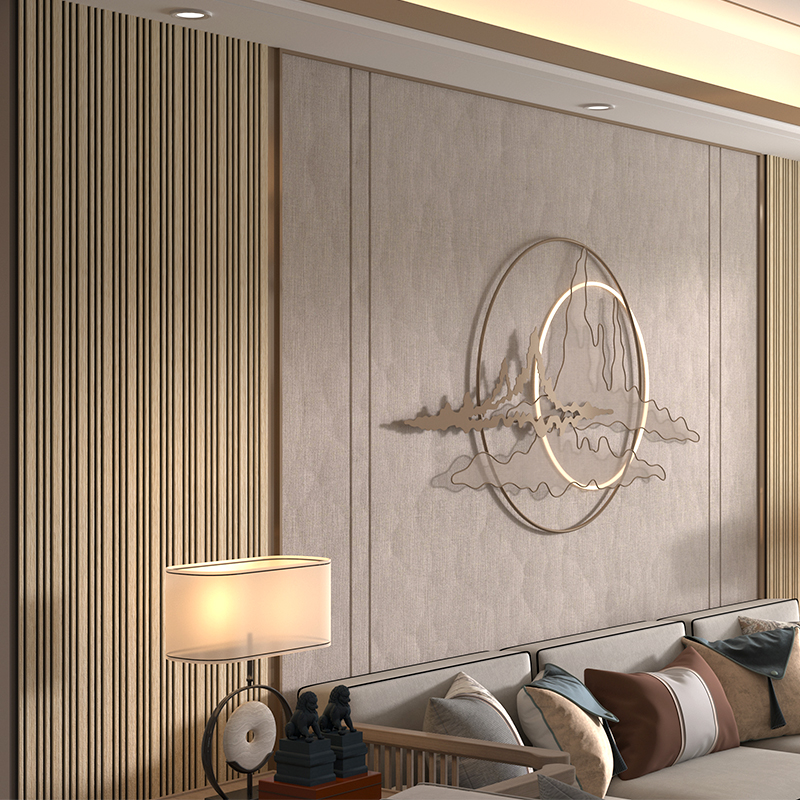
Introduction to WPC Wall Panels
A WPC wall panel is a high-density interior surfacing material that integrates finely ground wood flour with thermoplastic resins to create a sturdy, visually appealing board that excels in sound insulation and comfort.
The WPC wall panel is widely recognized as a versatile engineering marvel in the B2B interior decoration market. Unlike standard wall coverings, the WPC wall panel provides a multi-sensory improvement to indoor spaces. In professional settings like a library or a conference room, the density of the WPC wall panel acts as a natural sound barrier, reducing echo and creating a focused atmosphere. Its surface is designed to be smooth yet warm to the touch, providing a "premium feel" that elevates the perceived value of any commercial interior.
In environments such as kindergartens and hospitals, the WPC wall panel serves as a safe and durable shield for walls. The material is inherently impact-resistant, standing up to the daily rigors of moving medical equipment or active play areas without denting or scratching. Furthermore, the WPC wall panel is prized for its environmental credentials. Because it utilizes reclaimed wood by-products, the WPC wall panel reduces the demand for virgin timber, making it a cornerstone of sustainable interior design in the modern era.
From an aesthetic standpoint, the WPC wall panel offers an incredible array of finishes. Through advanced lamination and extrusion, the WPC wall panel can mimic the grain of oak, maple, or walnut with stunning accuracy. This allows designers to achieve a high-end "nature-inspired" look in a dance studio or a gym without the maintenance headaches associated with real wood. The WPC wall panel stays dimensionally stable, ensuring that the clean lines of the installation remain perfect over years of use.
Key Applications of WPC Wall Panels
Educational Facilities: Enhancing kindergartens with safe, impact-resistant, and colorful wall surfaces.
Professional Spaces: Providing acoustic dampening and a professional look for conference rooms and corporate offices.
Wellness and Fitness: Creating a warm, sound-absorbing backdrop for dance studios and gyms.
Healthcare Environments: Offering easy-to-clean, durable, and non-toxic wall solutions for hospital corridors.
Why WPC Panels Are Gaining Popularity
The global rise of the WPC wall panel is driven by its exceptional acoustic properties and its ability to provide a soft, comfortable "foot-to-wall" sensory experience that enhances the ergonomics of modern rooms.
One of the primary reasons the WPC wall panel is gaining such traction in the B2B sector is its superior acoustic performance. In large spaces like libraries or open-plan offices, noise pollution can significantly decrease productivity. The unique composite structure of the WPC wall panel helps to absorb mid-to-high frequency sound waves, preventing the "hollow" echo common in rooms with traditional plaster or glass walls. This makes the WPC wall panel a functional acoustic tool rather than just a decorative element.
The "foot-feel" or tactile comfort of the WPC wall panel is another significant selling point, particularly for spaces like dance studios and gyms. While the WPC wall panel is a rigid material, its composite nature gives it a slight elasticity compared to stone or ceramic. When used as a lower-wall wainscot or decorative accent, the WPC wall panel feels warmer and more forgiving. This tactile quality is highly valued in kindergartens, where creating a soft and welcoming environment for children is a top priority for developers.
Furthermore, the WPC wall panel is celebrated for its low maintenance requirements in high-traffic zones. In a busy hospital or school, walls are subjected to constant contact. The WPC wall panel is resistant to stains and easy to wipe clean, maintaining its "like-new" appearance without the need for periodic repainting or sanding. This longevity ensures that the WPC wall panel provides an excellent return on investment for facility managers who need to balance aesthetics with long-term operational costs.
Comparison: WPC Wall Panel vs. Conventional Interior Options
| Feature | WPC Wall Panel | Traditional Paint | Natural Wood Slat |
| Acoustic Absorption | High | Very Low | Moderate |
| Impact Resistance | Excellent | Poor | Moderate |
| Tactile Comfort | Soft/Warm | Cold/Hard | Warm |
| Installation Speed | Fast (Click-lock) | Slow (Multi-coat) | Slow (Professional carpentry) |
| Eco-Friendliness | High (Recycled) | Low (VOCs) | Variable |
Composition and Manufacturing Process
The WPC wall panel is manufactured using a specialized matrix of approximately 60% wood fiber, 30% recycled polymers, and 10% high-performance additives that ensure structural integrity and colorfastness.
The core strength of a WPC wall panel comes from the careful balance of its raw materials. The wood fiber, often sourced from recycled bamboo or wood flour, gives the WPC wall panel its rigid structure and natural thermal insulation properties. In environments like conference rooms, this insulation helps maintain a consistent temperature, contributing to energy efficiency. The plastic polymer acts as a binding agent, locking the wood fibers in a protective matrix that prevents the WPC wall panel from warping or cracking over time.
To ensure the WPC wall panel meets the strict safety standards required for hospitals and schools, manufacturers include high-quality additives. These include non-toxic flame retardants and UV stabilizers that prevent the WPC wall panel from losing its color when exposed to indoor lighting or indirect sunlight. Unlike some traditional materials, the WPC wall panel is formulated to be formaldehyde-free, ensuring that the indoor air quality in a kindergarten or library remains pristine and safe for all occupants.
The density of the WPC wall panel is meticulously controlled during the mixing phase. By adjusting the ratio of wood to plastic, manufacturers can fine-tune the WPC wall panel for specific needs—for example, increasing the wood content for better sound absorption or increasing the polymer content for higher impact resistance. This precision engineering ensures that every WPC wall panel delivered to a project site possesses the exact mechanical properties required for demanding commercial applications.
Step-by-Way-of-Step Manufacturing Process
The production of a WPC wall panel follows a high-tech extrusion process where raw materials are heated, blended, and shaped under high pressure to create a seamless, high-strength decorative board.
The first step in the life of a WPC wall panel is the homogenization of ingredients. Raw wood flour is dried to remove all moisture and then mixed with polymer pellets in a high-speed centrifugal mixer. At this stage, stabilizers and pigments are added to ensure the WPC wall panel has a consistent color throughout its core. This mixture is then fed into a twin-screw extruder, which uses heat and mechanical friction to melt the components into a uniform, dough-like composite melt.
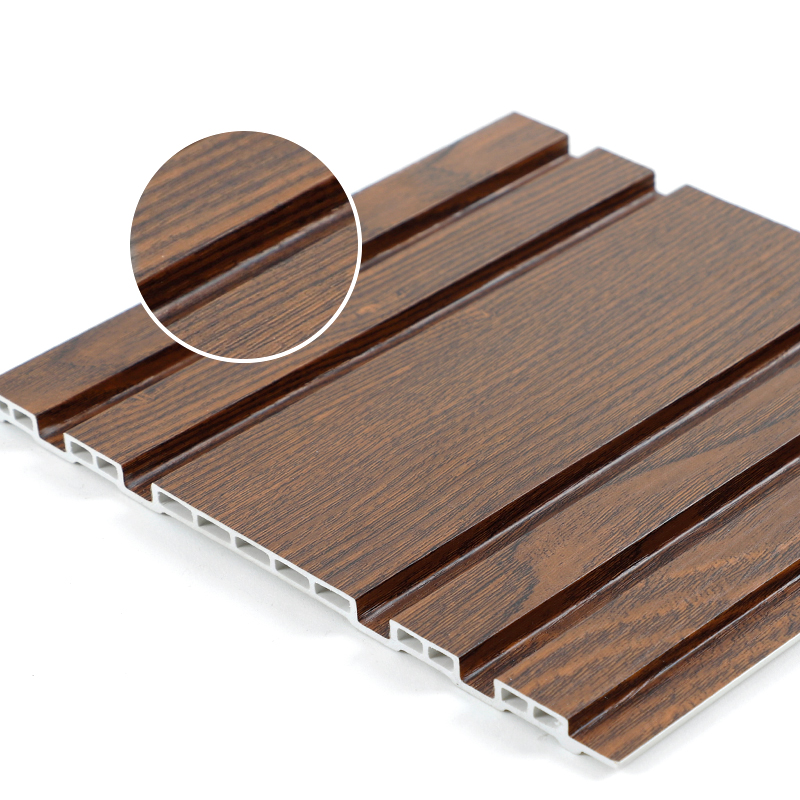
In the second stage, the molten composite is forced through a precision-engineered die. This die determines the final profile of the WPC wall panel, whether it is a classic flat board or a modern fluted design used for acoustic diffusion. As the WPC wall panel leaves the die, it immediately enters a vacuum calibration unit. This machine uses cooling water and vacuum pressure to "set" the shape of the WPC wall panel, ensuring it is perfectly straight and meets strict dimensional tolerances for easy installation.
The final stage of the WPC wall panel process is the surface treatment. Depending on the design, the WPC wall panel may be sanded for a matte look, embossed with a wood grain texture, or laminated with a high-definition protective film. This film provides the final aesthetic touch, allowing the WPC wall panel to fit perfectly into the decor of a modern office or a cozy library. After being cut to the desired lengths, each WPC wall panel is carefully inspected and palletized for shipping to global markets.
The 5 Stages of WPC Wall Panel Production
Compounding: Mixing wood flour, polymers, and additives into a consistent blend.
Hot Extrusion: Melting and merging the materials through a pressurized screw system.
Profile Shaping: Passing the melt through a die to create the WPC wall panel form.
Surface Calibration: Cooling and hardening the WPC wall panel to ensure precision.
Finishing & Lamination: Applying the final texture and protective layer for aesthetic appeal.
Quality Control and Industry Standards
Rigorous quality control for a WPC wall panel involves testing for density, acoustic coefficients, impact strength, and VOC emissions to guarantee a safe and high-performing product for public use.
In the B2B world, the reliability of a WPC wall panel is essential for project success. Quality control begins with the inspection of the raw wood fiber; it must be free of contaminants to ensure the WPC wall panel has a smooth, consistent finish. Manufacturers perform "flexural tests" to ensure the WPC wall panel can withstand the pressure and movement common in busy environments like gyms or dance studios. If a WPC wall panel does not meet the required density specifications, it is recycled back into the production line, ensuring zero waste.
Another critical aspect of WPC wall panel quality is environmental safety. Since these panels are frequently used in kindergartens and hospitals, they must pass strict emission tests. A high-quality WPC wall panel is tested for VOCs (Volatile Organic Compounds) and formaldehyde to ensure it meets E0 or E1 international standards. Furthermore, the WPC wall panel is tested for fire retardancy, typically aiming for a Class B1 rating, which means the material will not contribute to the spread of flames in a professional building.
Finally, the acoustic performance of the WPC wall panel is verified through specialized sound-chamber testing. Engineers measure the Noise Reduction Coefficient (NRC) to prove how effectively the WPC wall panel can quiet a room. This data is vital for architects designing libraries or conference rooms where silence and clarity are necessary. By maintaining these high standards, a WPC wall panel manufacturer ensures that their product is not just a decoration, but a high-performance building component.
Essential WPC Wall Panel Quality Benchmarks
Acoustic NRC Rating: Measures how much sound the WPC wall panel absorbs.
Shore Hardness Test: Ensures the surface is tough enough for high-traffic hallways.
Fire Safety Grade: Confirms the WPC wall panel meets B1 fire-retardant standards.
Dimensional Stability: Checks that the WPC wall panel won't expand or contract in climate-controlled rooms.
VOC Emission Test: Guarantees the WPC wall panel is safe for sensitive environments like hospitals.
Conclusion
The WPC wall panel represents the ultimate synergy between nature-inspired design and modern engineering. Throughout this guide, we have highlighted how the WPC wall panel serves as an indispensable tool for creating quiet, comfortable, and durable interior spaces. Its ability to absorb sound, resist impact, and provide a warm tactile experience makes the WPC wall panel a superior choice for libraries, conference rooms, and educational centers.
By choosing the WPC wall panel, developers and architects are investing in a product that prioritizes both occupant well-being and environmental responsibility. The WPC wall panel eliminates the need for constant maintenance and provides a safe, non-toxic environment for children in kindergartens and patients in hospitals. Its versatile aesthetic ensures it can adapt to the most modern dance studios or the most traditional professional offices.
In conclusion, the WPC wall panel is more than just a wall covering; it is a comprehensive solution for the modern interior. With its robust construction and exceptional acoustic properties, the WPC wall panel is set to remain a favorite in the B2B construction sector for years to come. Whether you are looking for durability, style, or sound control, the WPC wall panel delivers on all fronts.