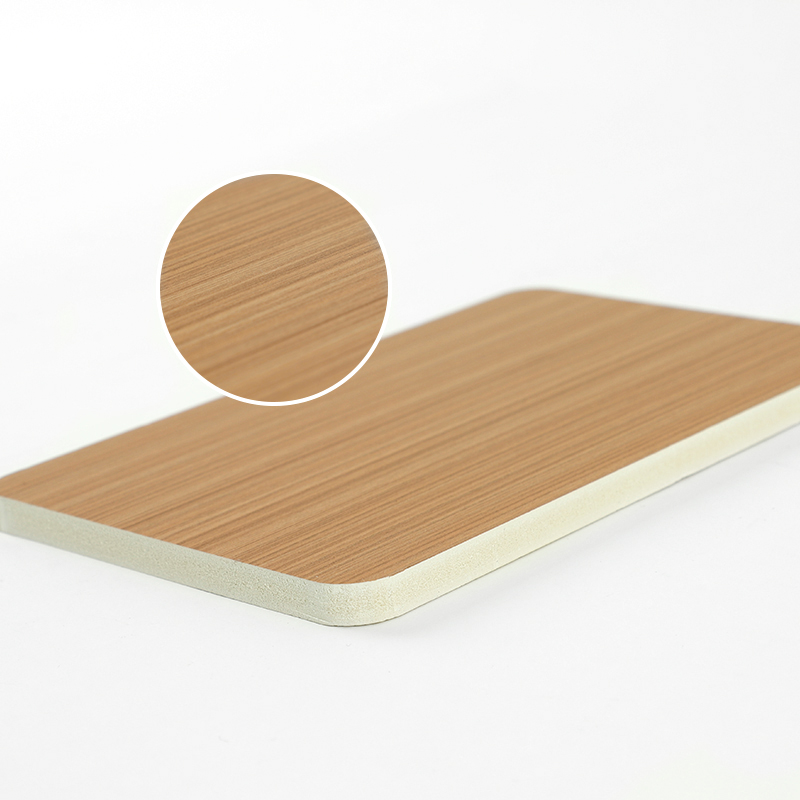
Flat laminate flooring represents the intersection of advanced surface engineering and strategic cost management, delivering AC4 and AC5 commercial durability ratings alongside superior acoustic damping and ergonomic underfoot comfort at a fraction of the lifecycle investment of traditional surfaces.
At a Glance
Section
Summary
What is Modern Laminate?
Explores the layered architectural composition of flat laminate flooring, explaining how high-density fiberboard (HDF) core boards, wear resins, and visual prints synthesize to provide immense structural integrity and dimensional stability.
Durability Ratings (AC Ratings)
Breaks down the Abrasion Criteria (AC) system via rigorous testing methodologies, outlining how AC3 through AC5 grades resist mechanical shear, heavy foot traffic, and impact forces in demanding facilities.
Why Choose Laminate?
Outlines key functional benefits including acoustic reflection control, ergonomic force reduction, non-porous hygienic maintenance, and long-term cost efficiencies across high-occupancy commercial installations.
Installation Advantages
Analyzes precision click-lock mechanical joints, floor prep efficiency, substrate protection, and structural advantages over alternative commercial floor coverings.
What is Modern Laminate?
Modern flat laminate flooring is an engineered composite surface designed to optimize structural load distribution, resistance to mechanical abrasion, and environmental stability. Rather than relying on a single solid substrate, it utilizes a multi-layer architectural construction bonded under intense heat and pressure. The core foundation typically consists of refined high-density fiberboard (HDF) with a density exceeding 850 kg/m³, providing high internal bond strength and resistance to point-load indentation. Above this core lies a high-definition decorative film, which is protected by a transparent top layer composed of melamine resin impregnated with aluminum oxide particles. The underside features a balancing backing layer that counteracts internal tension, ensuring the plank remains flat over its entire service life.
From a product design standpoint, our technical team formulates this specific multi-layered stack to resolve the dimensional swelling and surface wear common in high-traffic environments. When clients evaluate options for high-occupancy settings, their primary concern is micro-scratching from grit and localized impact from dropped heavy items. By incorporating precise concentrations of crystalline aluminum oxide into the upper wear layer, the surface effectively repels mechanical shear. Commercial buyers continuously prioritize low vertical deflection and seamless edge alignment. Choosing high-specification flat laminate flooring guarantees a dimensionally stable platform that stays flush across broad square footage without requiring deep structural floor modifications.
Overlay Wear Layer
The uppermost layer consists of a thermo-hardened melamine resin infused with corundum particles. This clear shield serves as the primary defense against friction, rolling casters, UV exposure, and direct abrasion.
Decorative Surface Layer
A high-resolution gravure or digital print layer designed to emulate natural wood, concrete, or stone textures, providing high visual depth without introducing the natural defects or maintenance vulnerabilities of raw materials.
High-Density Fiberboard (HDF) Core
The structural engine of the plank, manufactured from compressed wood fibers mixed with synthetic resin glues. It delivers superior flexural modulus, high density, and precise mechanical milling capabilities for joinery systems.
Balancing Backing Layer
A resin-impregnated kraft paper backing applied to the bottom of the plank. It acts as a moisture-barrier membrane and counter-balances the tensile forces exerted by the top layers, preventing cupping or bowing.
Maintenance Note: To preserve the crystal-clear clarity of the aluminum oxide wear layer, dry maintenance methods such as static dust mopping or specialized micro-fiber sweeping should be prioritized over abrasive chemical cleansers or aggressive rotary scrubber pads.
Durability Ratings (AC Ratings)
The mechanical endurance of laminate surfaces is classified using the standardized Abrasion Criteria (AC) system established under EN 13329. This rating system subjects the wear layer to the Taber Abraser Test, where abrasive paper wheels rub the surface under precise rotational loads until the decorative print is exposed. Ratings range from AC1 to AC6, with higher values corresponding to elevated resistance to scratch, strain, impact, and point-load compression. For commercial specifiers, selecting the correct AC rating directly dictates the operational lifespan of the installation under continuous traffic loads.
AC Rating
GB Standard (Revolutions)
AL2O3 (g/m²)
EN Standard (CLASS)
Residential Lifespan
Commercial Lifespan
AC5
6,000 RPM
45
CLASS 34
—
—
AC4
4,000 RPM
38
CLASS 33
10 years
7 years
AC3
3,000 RPM
33
CLASS 32
8 years
5 years
AC2
2,000 RPM
28
—
5–6 years
3 years
AC1
1,000 RPM
25
—
3–5 years
—
Understanding these mechanical thresholds explains why our engineering process reinforces the resin matrix for Class 32 and Class 33 applications. Facility managers managing large public venues report that surface degradation usually begins along joint edges under heavy rolling loads. We solve this by introducing micro-bevel resin sealing, protecting the perimeter of each HDF core section from shear-induced flaking.
Abrasive Wear Resistance
Evaluated via continuous rotational friction, ensuring the surface withstands thousands of foot-steps carrying outdoor grit without dulling or wearing through the top finish.
Impact Resistance
Tested using small and large diameter steel balls dropped from calibrated heights, measuring the HDF core's capacity to absorb heavy impact without micro-fracturing or surface indentations.
Stain and Chemical Resistance
Exposed to harsh agents like markers, iodine, oil, and alkaline cleaners to verify that the non-porous outer resin shell prevents discoloration and deep chemical penetration.
Caster Chair Resistance
Simulated using rolling caster wheel rigs under continuous weight load to confirm that office seating and equipment carts will not cause delamination or surface micro-cracking over time.
Why Choose Laminate?
Selecting the optimal floor covering for large-scale institutional projects requires balancing acoustic performance, physical comfort, environmental hygiene, and operational longevity. Modern HDF laminate formulations excel across these metrics compared to traditional hard surfaces like polished concrete or ceramic tile. In specialized facilities such as dance studios, fitness centers, and early learning centers, physical comfort and impact dampening are vital requirements. The natural density of engineered wood fibers offers calibrated elasticity, reducing joint fatigue during physical activity.
Additionally, acoustic control remains a primary requirement in high-occupancy environments like libraries and conference rooms. Uncontrolled footsteps and ambient reverberation impair concentration and productivity. Modern laminate systems, paired with dense acoustic underlays, mitigate impact sound transmission and in-room walking noise. European clients consistently request surfaces that deliver high acoustic attenuation alongside a warm visual aesthetic. Modern commercial flat laminate flooring meets these strict acoustic and physical performance criteria seamlessly.
Superior Sound Absorption
When combined with integrated cross-linked polyolefin underlayments, laminate structures dissipate structural impact noise, lowering footfall echo in large open spaces like libraries and multi-purpose halls.
Enhanced Underfoot Ergonomics
The moderate subfloor deflection provided by high-density resin boards offers high energy return and impact absorption, ideal for physical movement in dance studios, fitness gyms, and kindergarten play areas.
Hygienic and Non-Porous Surface
The seamless, dense resin film prevents the absorption of dust, dander, and liquid spills, making daily maintenance fast and maintaining high indoor air quality standards.
Thermal Efficiency
HDF cores possess low thermal resistance values, allowing efficient heat transfer when installed over radiant floor heating systems without risk of structural warping.
Lifecycle Cost Optimization
Delivers authentic visual textures and commercial-grade physical resilience at a capital expenditure significantly lower than solid hardwood or natural stone surfaces.
Operational Mechanism: The acoustic damping capability operates through multi-density layer decoupling. When impact energy hits the rigid wear layer, the sound wave transfers into the high-density HDF core, which scatters high-frequency vibrations before the resilient underlayment isolates the remaining low-frequency sound from entering the subfloor below.
Installation Advantages
The speed and precision of installing commercial flooring directly influence overall project timelines and labor costs. Modern flat laminate utilizes advanced mechanical click-lock profiles milled directly into the HDF core. These self-aligning tongue-and-groove geometry designs eliminate the need for wet adhesives, reducing installation schedules and allowing immediate foot traffic upon completion. This dry installation approach minimizes volatile organic compound (VOC) emissions during building assembly, helping projects achieve green building certifications.
From a structural engineering perspective, click-lock joints distribute lateral and vertical forces across the entire surface plane. This floating floor mechanism allows the entire surface section to expand and contract uniformly with seasonal ambient shifts, eliminating structural buckling.
Adhesive-Free Click Mechanics
Precision-milled locking profiles snap together easily, securing planks both horizontally and vertically without liquid glues, messy cleanup, or curing wait times.
Substrate Adaptation
Floating floor systems can be installed directly over existing hard surfaces—such as ceramic tile, polished concrete, or old vinyl—provided the subfloor meets flat tolerances within 2 mm over a 2-meter radius.
Rapid Repair and Modular Replacement
In the event of localized damage, individual planks can be unclipped and replaced without disrupting adjacent floor sections or destroying the primary subfloor layer.
Minimized Subfloor Preparation
The rigid core spans small gaps, hairline cracks, and surface irregularities in the concrete slab, reducing extensive subfloor patching requirements.
Immediate Operational Availability
Because zero adhesives are involved in the mechanical locking system, completed spaces can be opened to full pedestrian foot traffic immediately following the final plank installation.
Installation Tip: Always maintain a consistent 8 mm to 10 mm expansion gap around the perimeter of the room, near support columns, and adjacent to fixed vertical structures. Hide these joints under baseboards to allow the floating platform to shift naturally during thermal variations.
Summary
Modern commercial flat laminate flooring provides an ideal mix of strength, beauty, and long-term value for institutional, commercial, and athletic environments. By leveraging multi-layer thermo-hardened construction, ultra-dense HDF cores, and high AC durability ratings, these surfaces stand up to intense foot traffic, heavy equipment, and mechanical wear. Facilities such as libraries, conference rooms, dance studios, fitness gyms, hospitals, and kindergartens benefit directly from its exceptional acoustic insulation, comfortable underfoot resilience, simple click-lock assembly, and straightforward maintenance protocols. Investing in advanced flat laminate delivers a reliable, high-performance surface engineered to maintain structural integrity and visual clarity throughout years of demanding operational use.