The rapid evolution of construction technology has introduced materials that bridge the gap between aesthetic beauty and functional durability. Among these, Wood Plastic Composite (WPC) has emerged as a frontrunner in the interior design industry. Designers and architects are increasingly turning to WPC material and boards to create spaces that feel natural yet perform with industrial strength. Whether it is for a high-traffic public facility or a sophisticated corporate office, the versatility of WPC provides a foundation for creativity that traditional timber often lacks.
WPC material and WPC wall panels represent a revolutionary hybrid of natural wood fibers and high-quality thermoplastics, offering a sustainable, durable, and highly sound-absorbent solution for modern interior environments such as libraries, gyms, and healthcare facilities. These materials are specifically engineered to provide a superior underfoot feel and excellent acoustic performance without the maintenance challenges of natural wood.
Understanding how to integrate these materials into a professional project requires a deep dive into their composition, variety, and the specific design advantages they offer. From enhancing the ambiance of a quiet study hall to providing a resilient surface for a dance studio, WPC boards are redefining the standards of interior surfaces. The following guide explores why this material has become the gold standard for specific commercial and educational settings.
Table of Contents
What Is WPC Material?
Types and Forms of WPC Boards
Why WPC Is Used in Modern Interiors
WPC Board Design Ideas for Interior Walls
WPC Board Designs for Furniture and Storage
Design Flexibility Offered by WPC Boards
What Is WPC Material?
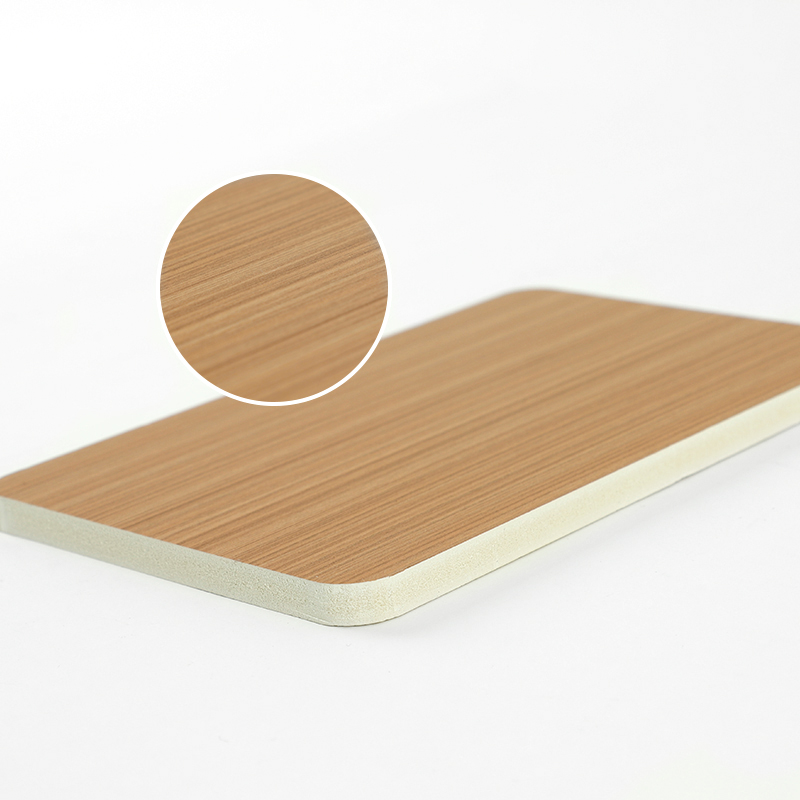
WPC material, short for Wood Plastic Composite, is a sophisticated engineering product made from a precise blend of recycled wood flour or fibers and various thermoplastics like PE, PP, or PVC, resulting in a composite that maintains the warmth of wood while gaining the resilience of polymers.
The technical composition of a WPC wall panel involves more than just mixing raw materials. It is a process of homogenization where wood particles are encapsulated in a plastic matrix. This structure prevents the wood components from being exposed to the elements that typically cause natural timber to degrade. In professional environments like libraries and hospitals, this means the material does not warp or splinter over time, ensuring a safe and consistent surface for all users.
The environmental aspect of WPC material is one of its strongest selling points in the B2B sector. By utilizing recycled wood waste and plastic polymers, it reduces the demand for virgin timber, contributing to sustainable building certifications. For developers focusing on green building standards, incorporating WPC wall panels is a strategic move that aligns with modern ecological goals while maintaining high aesthetic standards.
Furthermore, the density of WPC material plays a crucial role in its performance. Unlike hollow or soft woods, high-quality WPC boards are dense and stable. This density contributes directly to the "foot feel" and acoustic properties. In a dance studio or a kindergarten, the material provides a slight give that is easier on the joints compared to stone or tile, while simultaneously dampening the sound of movement and activity.
Types and Forms of WPC Boards
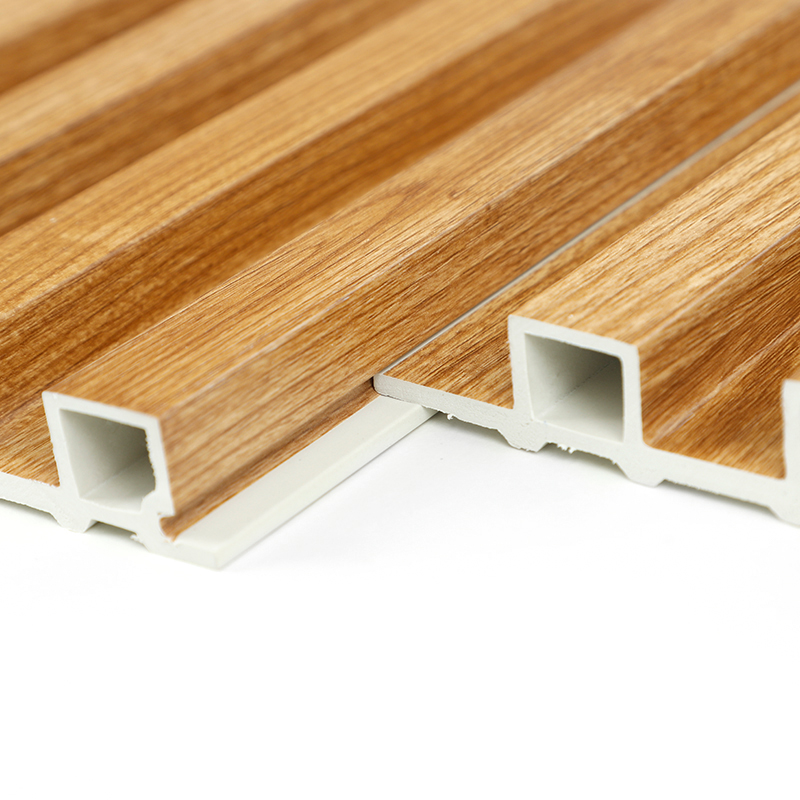
WPC boards come in a diverse array of forms including solid planks, fluted wall panels, hollow-core sheets, and decorative trim, each designed to meet specific structural and aesthetic requirements in professional interior applications.
When selecting a WPC wall panel, designers often choose between fluted (ribbed) profiles and flat surfaces. Fluted panels are particularly popular in meeting rooms and conference halls because their geometric shape helps diffuse sound waves, complementing the material's natural sound-absorbent properties. These panels create a sense of verticality and depth, making standard walls look like architectural features.
Solid WPC boards are the workhorse of the industry, often used for heavy-duty applications where impact resistance is paramount. In environments like gyms or fitness centers, these boards can withstand the rigors of equipment and high-energy activity. The variety in thickness and density allows for customization based on the specific load-bearing or acoustic needs of the room.
The aesthetic variety is equally impressive. Modern manufacturing allows WPC to mimic the grain of oak, walnut, or teak with incredible precision. Beyond wood grains, they can also be produced in solid contemporary colors or metallic finishes. This allows a WPC wall panel to fit seamlessly into the minimalist design of a modern hospital or the vibrant, stimulating environment of a primary school or kindergarten.
| Type of WPC Board | Common Application | Key Benefit |
| Fluted Wall Panel | Meeting Rooms / Offices | Acoustic diffusion and modern aesthetics |
| Solid WPC Sheet | Gyms / Dance Studios | High impact resistance and great foot feel |
| Decorative Trim | Libraries / Hospitals | Clean finish and edge protection |
| Acoustic WPC | Music Rooms / Theaters | Maximum sound absorption |
Why WPC Is Used in Modern Interiors
WPC is favored in modern interiors primarily for its exceptional acoustic performance, comfortable foot feel, and low-maintenance durability, making it the ideal choice for high-traffic public spaces like hospitals and educational institutions.
One of the standout features of the WPC wall panel and flooring is its sound-absorbent nature. In large open spaces like libraries or hospital corridors, noise pollution can be a significant issue. WPC naturally dampens echoes and reduces the transmission of footfall noise. This creates a calmer, more focused environment, which is essential for patient recovery in healthcare or concentrated study in academic settings.
The tactile experience, often referred to as "foot feel," is another reason for its widespread adoption. In a kindergarten or a dance room, the floor must be comfortable enough for children to sit on or for dancers to move across for hours. WPC provides a thermal warmth and a subtle cushion that hard surfaces like laminate or ceramic cannot match. It offers the right balance of friction and smoothness, reducing the risk of slips while being gentle on the skin.
Lastly, the durability and ease of maintenance make it a cost-effective solution for B2B clients. In a busy conference room or a fitness center, surfaces are subject to frequent use. WPC does not require the periodic sanding, staining, or sealing that natural wood demands. Its surface is resistant to scratches and stains, ensuring that the facility looks professional and new for years with only basic cleaning protocols.
WPC Board Design Ideas for Interior Walls
Implementing a WPC wall panel as a feature wall or full-room cladding can transform a sterile office or hospital environment into a warm, inviting space while serving as an effective acoustic barrier.
Vertical Fluted Accents in Meeting Rooms: Use fluted WPC wall panels on a single focal wall behind a conference table. This not only adds a sophisticated texture but also helps in absorbing the echoes during video calls, ensuring clear communication.
Zoning in Open-Plan Libraries: Different colors or textures of WPC can be used to define "quiet zones" or "collaborative hubs" without the need for physical partitions. The visual change in the wall paneling signals a change in the room's purpose.
Protective Wainscoting in Kindergartens: Install WPC boards on the lower half of walls. This provides a durable, easy-to-clean surface that can handle the bumps and scuffs of daily play while keeping the room feeling cozy and safe.
The use of WPC wall panels in these settings is not just about looks; it is about creating an atmosphere conducive to the specific activity of the room. In a hospital, a wood-grain WPC wall can reduce the "institutional" feel, potentially lowering patient stress levels through biophilic design.
WPC Board Designs for Furniture and Storage
WPC boards are increasingly used to construct built-in cabinetry, shelving units, and reception desks in commercial spaces because they offer the structural integrity of wood with superior resistance to wear and tear.
Acoustic Shelving in Libraries: Custom bookshelves made from WPC boards contribute to the overall sound-dampening strategy of the room. They are strong enough to hold heavy volumes without sagging over time.
Integrated Reception Desks: A reception desk clad in WPC wall panels creates a cohesive look with the surrounding walls. This is particularly effective in fitness centers or corporate lobbies where the first impression needs to be one of quality and stability.
Locker Systems for Gyms: WPC is an excellent material for lockers in fitness environments. It is resilient enough to handle daily use and does not harbor odors or degrade like some traditional materials might in high-use areas.
Because WPC is easy to cut and join, it allows for bespoke furniture designs that match the exact dimensions of a space. This is a significant advantage for architects looking to maximize utility in conference rooms or hospital staff stations.
Design Flexibility Offered by WPC Boards
The design flexibility of WPC boards lies in their ability to be curved, routed, and finished in nearly any color, allowing designers to create organic shapes and custom patterns that are impossible with traditional timber.
The thermal plasticity of WPC means that certain boards can be heat-bent to create curved wall corners or rounded reception counters. This is a major trend in modern hospital design, where sharp corners are often avoided for both safety and aesthetic flow. A curved WPC wall panel creates a seamless transition between spaces, guiding foot traffic naturally through corridors.
Additionally, the precision of CNC routing on WPC boards allows for intricate patterns to be etched into the surface. This can be used for branding—such as carving a school's logo into a feature wall in the lobby—or for creating decorative screens that allow light to pass through while maintaining privacy in a library or office.
Curved Architectural Elements: Utilizing the composite's flexibility to soften the edges of a room.
Custom Color Matching: B2B projects can often request specific RAL colors to match corporate branding.
Integrated Lighting: The hollow structure of some WPC panels allows for the easy concealment of LED strips, creating beautiful backlit effects on walls.
Conclusion
In conclusion, the WPC wall panel and its associated board formats offer an unparalleled combination of sensory comfort and technical performance. By prioritizing a superior foot feel and advanced sound absorption, WPC has carved out a niche in the most demanding interior environments. Whether it is the serene silence required in a library, the hygienic and calming atmosphere of a hospital, or the high-energy demands of a dance studio or gym, WPC provides a durable and aesthetically pleasing solution.
For B2B professionals, choosing WPC is a decision that balances upfront design goals with long-term maintenance savings. Its ability to withstand high-traffic use in kindergartens and conference rooms while maintaining the elegance of natural wood makes it a versatile tool in any designer's kit. As we continue to seek materials that are both functional and inspiring, WPC stands out as the future of interior surfaces, proving that we do not have to sacrifice beauty for performance.