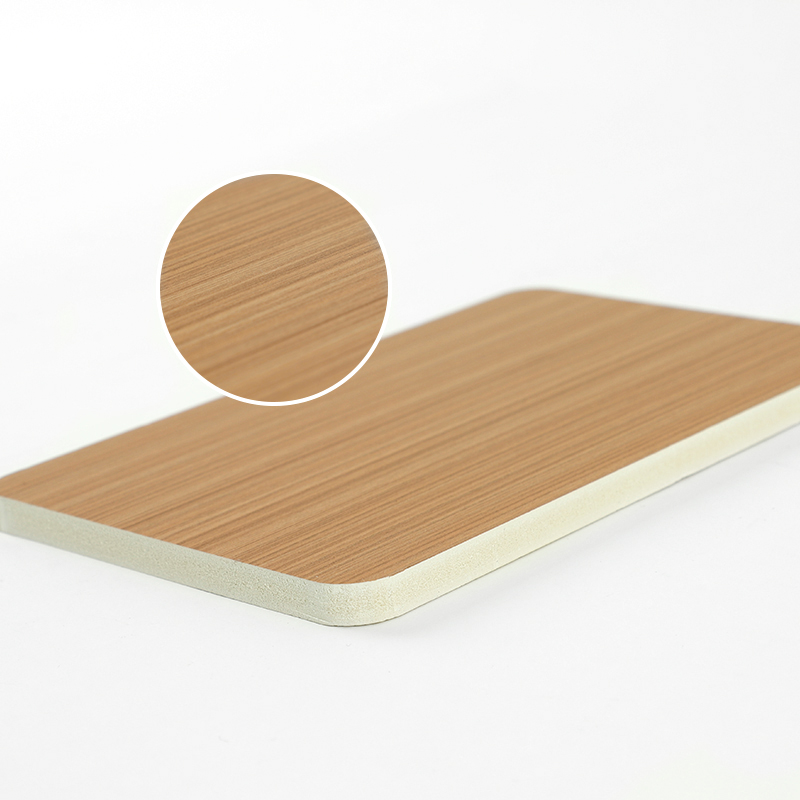
The flooring industry has witnessed a dramatic evolution over the last decade, transitioning from traditional hardwoods and ceramics to high-performance synthetic solutions. Among these innovations, Loose Lay Flooring has emerged as a disruptive force in both residential and commercial sectors, offering a unique blend of durability, aesthetic flexibility, and unparalleled ease of installation. Unlike traditional floors that require messy adhesives or complex locking mechanisms, this material relies on its own structural integrity and specialized backing to stay in place.
Loose Lay Vinyl Flooring is a specialized type of Luxury Vinyl Tile (LVT) that stays in place via its heavy weight and a high-friction "non-slip" backing, requiring little to no adhesive for a stable installation. It is designed to be thick, durable, and exceptionally stable, making it an ideal choice for high-traffic environments where quick access to subfloors or rapid replacement of damaged sections is necessary.
In this comprehensive guide, we will explore the technical specifications, long-term advantages, and step-by-step installation procedures for this advanced flooring solution. Whether you are a facility manager seeking a low-maintenance commercial surface or a homeowner looking for a DIY-friendly renovation project, understanding the nuances of loose lay technology will help you make an informed decision for your next interior space.
Table of Contents
Section
Summary
Definition and Overview
An introduction to the unique non-slip backing technology and heavy-weight construction of loose lay planks.
Benefits of Loose Lay
Analysis of the acoustic properties, moisture resistance, and rapid installation advantages.
Installation Process
A detailed technical guide on subfloor preparation and the "perimeter-glue" installation method.
Types of Loose Lay
Exploration of different wear layers, textures, and thicknesses available for diverse project needs.
Comparison to Options
How loose lay stacks up against glue-down LVT, click-lock SPC, and traditional hardwood.
Care and Maintenance
Professional advice on keeping the wear layer pristine and managing high-traffic cleaning cycles.
Common Applications
Identification of the best environments for deployment, ranging from offices to moisture-prone basements.
Definition and Overview of Loose Lay Vinyl Flooring
Loose Lay Vinyl Flooring is a high-performance floor covering characterized by a thick, heavy-duty core and a specialized friction-based backing that allows planks to remain stationary without the need for traditional click-locks or full-spread adhesives.
This innovative product is engineered with multiple layers, typically including a UV-curable coating, a transparent wear layer, a high-definition decorative film, and a thick vinyl core. The "loose lay" designation refers specifically to its unique installation method. Because the planks are significantly thicker and heavier than standard LVT, they possess natural dimensional stability. When paired with a "honeycomb" or diamond-patterned non-slip backing, the planks grip the subfloor securely, resisting lateral movement even under heavy foot traffic.
Technologically, the stability of Loose Lay Flooring comes from its glass fiber reinforcement layer, which prevents the material from expanding or contracting significantly due to temperature fluctuations. This makes it a superior alternative in environments where traditional floors might buckle or gap. Furthermore, the absence of a tongue-and-groove system means that individual planks can be lifted and replaced in seconds, offering a modularity that is highly valued in modern architecture.
For those looking for high-quality specifications, products like the Loose Lay LVT Vinyl Plank Flooring often feature a 0.5mm wear layer and a total thickness of up to 5mm. This heavy-duty construction ensures that the floor feels substantial underfoot and provides excellent sound dampening, a critical factor in multi-story buildings and busy commercial offices.
Benefits of Loose Lay Vinyl Flooring
The primary benefits of Loose Lay Vinyl Flooring include rapid installation, exceptional sound absorption, superior moisture resistance, and the unique ability to replace individual damaged planks without disturbing the rest of the floor.
Unmatched Speed of Installation
The lack of a locking mechanism or the need for extensive gluing means that a professional crew can install this flooring up to 50% faster than traditional click-lock systems. This minimizes "down-time" for businesses and reduces labor costs for residential renovations.
Superior Acoustic Performance
Thanks to its 5mm thickness and dense vinyl core, loose lay planks act as a natural sound insulator. It effectively reduces impact noise (such as footsteps or falling objects) and helps dampen ambient sound within a room, making it a favorite for libraries, healthcare facilities, and apartment complexes.
Moisture and Water Resistance
Unlike wood or laminate, high‑quality Loose Lay Flooring is 100% waterproof. It does not swell or warp when exposed to moisture, making it suitable for spaces prone to high humidity or frequent water exposure, such as wet utility areas and basements.
Ease of Maintenance and Repair
If a specific area of the floor becomes stained or gouged, you do not need to dismantle the entire room. Because the planks are held by friction and weight, you can simply lift the damaged piece using a suction tool or a thin pry bar and drop a new one into its place.
Benefit Category
Performance Rating
Technical Reason
Sound Insulation
Excellent
Dense 5mm vinyl core absorbs vibration
Durability
High
0.5mm+ wear layer protects against scratches
Water Resistance
100% Waterproof
Non-porous synthetic materials
Installation Cost
Low
Minimal tools and no glue required
Installation Process of Loose Lay Vinyl Planks
The installation process for loose lay vinyl involves preparing a perfectly level subfloor, acclimating the planks to the room's temperature, and laying them tightly together, often using a pressure-sensitive adhesive only around the perimeter of the room.
Subfloor Preparation and Acclimation
Before the first plank is laid, the subfloor must be checked for moisture and levelness. Any dips or bumps greater than 3mm over a 3-meter radius should be leveled using a self-leveling compound. The planks themselves must acclimate in the installation room for at least 48 hours. This ensures the material reaches thermal equilibrium, preventing any micro-movements after the floor is completed.
The Perimeter-Glue Method
In most residential applications, you can simply lay the planks tight against each other from wall to wall. However, in larger commercial spaces, professionals use a "perimeter glue" technique. A thin band of pressure-sensitive adhesive is applied around the edges of the room and in high-stress areas (like doorways). This provides extra security against shifting while still allowing the central planks to be "loose" for easy removal later.
Layout and Cutting
Start the installation from one corner, laying the planks in a staggered pattern to ensure structural strength. To cut the planks, a simple utility knife is sufficient; you score the top wear layer and snap the plank cleanly. It is vital to ensure that the planks are pushed tightly against one another. The friction between the non-slip backing and the floor, combined with the "tight fit" between planks, creates a seamless, immovable surface.
Types of Loose Lay Vinyl Flooring
Loose lay vinyl is categorized primarily by its wear layer thickness, its core composition (Standard LVT vs. Fiber-Reinforced), and its aesthetic finish, which can range from ultra-realistic wood grain to stone textures.
Wear Layer Variations
The "wear layer" is the transparent coating that protects the design film. For residential use, a 0.3mm wear layer is common. However, for high-traffic B2B environments like retail stores or airports, a 0.5mm or 0.7mm wear layer is mandatory. This thickness determines how many years the floor can withstand heavy foot traffic and rolling loads before showing signs of wear.
Aesthetic and Textural Options
Modern manufacturing allows for "Embossed in Register" (EIR) technology. This means the physical texture of the plank perfectly matches the visual grain of the wood or the pits in the stone. When browsing Loose Lay LVT Vinyl Plank Flooring, you will find options that mimic European Oak, reclaimed timber, or even polished concrete, providing a high-end look without the high-end maintenance.
Structural Reinforcement
Some loose lay products include an additional layer of fiberglass mesh. This layer is crucial for large-scale installations because it provides "dimensional stability." It prevents the planks from expanding when the sun hits them through a window or contracting during cold winter nights, ensuring the joints remain tight year-round.
Comparison to Other Flooring Options
When compared to other materials, loose lay vinyl offers a middle ground between the permanence of glue-down LVT and the rigidity of SPC click-lock flooring, while being far more moisture-resistant than laminate or hardwood.
Loose Lay vs. Glue-Down LVT
Glue-down LVT is thinner (usually 2mm to 3mm) and requires a full spread of adhesive. While it is very stable, it is difficult to remove and provides very little sound insulation. Loose lay, at 5mm, is much softer underfoot and can be removed without damaging the subfloor, making it better for temporary office leases or rental properties.
Loose Lay vs. SPC Click Flooring
SPC (Stone Plastic Composite) is known for its extreme hardness. However, click-lock systems can sometimes break at the joints if the subfloor is not perfectly flat. Loose lay does not have fragile tongues and grooves, meaning it is more "forgiving" of minor subfloor imperfections. Additionally, replacing a single SPC plank in the middle of a room requires dismantling half the floor, whereas loose lay allows for "spot replacement."
Loose Lay vs. Traditional Hardwood
While hardwood offers timeless beauty, it is susceptible to water damage, scratching, and requires periodic sanding and refinishing. Loose lay vinyl provides a similar aesthetic but is completely waterproof and requires no specialized maintenance. For commercial kitchens or high-moisture geographical areas, vinyl is the objectively superior choice for longevity.
Care and Maintenance
Proper care for loose lay vinyl flooring involves regular sweeping to remove abrasive grit, occasional damp mopping with a pH-neutral cleaner, and the use of felt pads under heavy furniture to prevent indentations.
Regular maintenance is the key to preserving the high-definition design of your flooring. Because the wear layer is treated with a UV coating, it is naturally resistant to staining and fading. However, sand and dirt can act like sandpaper under foot traffic. A daily sweep or vacuum (without a beater bar) will prevent micro-scratches from dulling the finish over time.
For deeper cleaning, use a damp mop. It is important not to "flood" the floor with water; although the planks are waterproof, excessive water can seep between the seams and sit on the subfloor, potentially leading to mold or odor issues over many years. A simple solution of water and a drop of mild dish soap or a specialized vinyl cleaner is all that is required to keep the surface looking new.
In commercial settings, loose lay is particularly valued because it does not require waxing or buffing. If a heavy spill occurs, the non-porous surface prevents the liquid from soaking in. For long-term protection, placing rugs at entryways to catch debris and ensuring that rolling office chairs have soft rubber casters will significantly extend the life of the wear layer.
Common Uses and Applications
Common applications for loose lay vinyl range from high-traffic commercial offices and retail showrooms to residential basements and multi-family housing units where sound reduction is a priority.
Commercial Offices and Co-working Spaces
In modern office design, access to under-floor wiring is often necessary. Loose lay allows technicians to lift a few planks, access the cables, and lay the floor back down without a trace of intervention. Its acoustic properties also help maintain a quiet working environment.
Retail and Hospitality
Storefronts need flooring that can be installed overnight to avoid closing during business hours. The speed of loose lay installation makes it perfect for "pop-up" shops or hotel renovations where time is money. Its durability handles the constant flow of customers and rolling carts with ease.
Healthcare and Educational Facilities
The hygienic, easy-to-clean surface of vinyl is essential for clinics and schools. Since there are no deep grout lines or cracks (when installed properly), bacteria and allergens have fewer places to hide, contributing to a healthier indoor air quality.