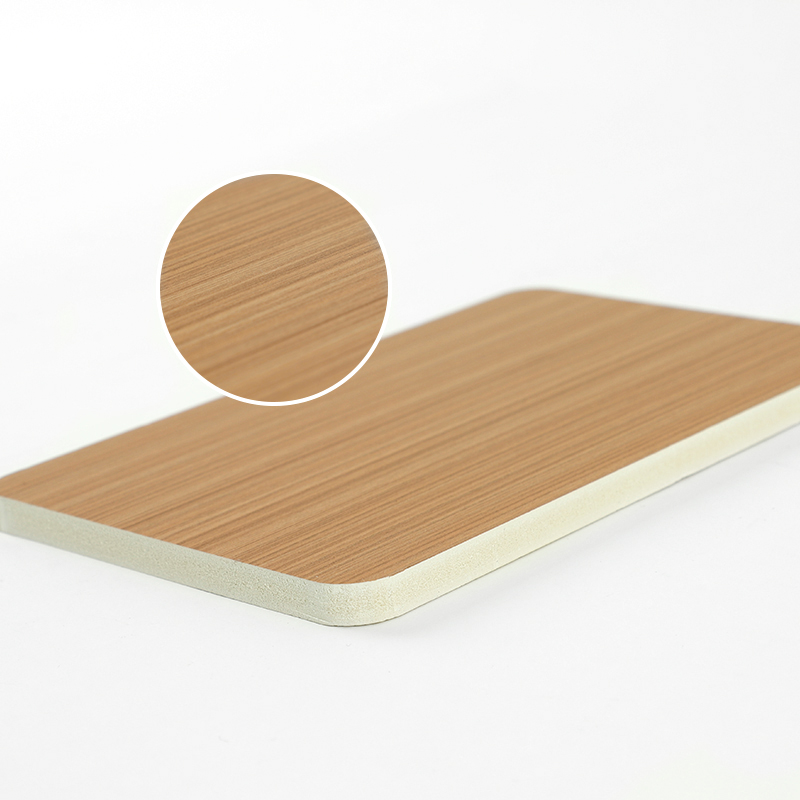
The flooring industry has undergone a massive transformation in recent years, shifting away from traditional, labor-intensive materials like heavy ceramic tiles and high-maintenance hardwoods toward high-tech synthetic solutions. Among these innovations, Loose Lay Flooring has emerged as a frontrunner for both residential and commercial spaces. This material represents a paradigm shift in interior design, offering a blend of durability, aesthetic variety, and unprecedented ease of installation that was previously unattainable with standard PVC products.
Glue-free vinyl flooring, specifically Loose Lay Flooring, is a high-tech interior decoration material made primarily of polyvinyl chloride (PVC) and stone powder (calcium carbonate). It features a unique suction-cup structure on its backing that allows it to adhere firmly to a flat subfloor using only gravity and friction, completely eliminating the need for permanent adhesives or complex click-locking mechanisms during the installation process.
As businesses and homeowners seek sustainable and cost-effective renovation options, understanding the mechanics and benefits of glue-free systems is essential. This guide provides an in-depth analysis of why this material is considered a 21st-century benchmark for flooring technology. We will explore its structural composition, the science behind its "suction" grip, and why it is increasingly preferred over traditional "dry back" or "click" systems in modern construction.
Executive Summary: Content Outline
Section
Summary
Understanding Loose Lay Flooring
An introduction to the material composition and the four primary types of LVT flooring available in the market.
The Science of Suction Backing
A detailed look at the unique friction-based installation method that eliminates the need for glue or click systems.
Environmental and Health Benefits
An analysis of the eco-friendly properties of the material, focusing on its formaldehyde-free and non-toxic nature.
Technical Performance and Durability
Examination of the wear resistance, fireproofing, and waterproof capabilities that make it suitable for high-traffic areas.
Safety Features: Anti-Skid Technology
How the polymer wear layer reacts to moisture to provide superior slip resistance and safety.
Aesthetic Versatility and Style
Overview of the diverse colors, patterns, and textures available for customized interior design.
Acoustics and Underfoot Comfort
Discussion on the sound-absorbing properties and elasticity that improve the humanized indoor environment.
Step-by-Step Installation Guide
Practical instructions on acclimation, subfloor preparation, and layout for a successful DIY or professional project.
Maintenance and Longevity
Simple cleaning protocols and the long-term warranty expectations for glue-free vinyl planks.
Understanding Loose Lay Flooring
Loose Lay Flooring is a specialized category of Luxury Vinyl Tile (LVT) that relies on its heavy weight and a specialized friction-grip backing to stay in place without the use of glue or interlocking tongues.
Modern vinyl plank flooring is generally categorized into four distinct types based on their installation methods: Dry back (which requires full-spread adhesive), Self-adhesive (peel-and-stick), Click flooring (mechanical locking), and Loose Lay. Among these, the glue-free loose lay variety is praised as a 21st-century high-tech material model because it solves the common pain points associated with traditional flooring, such as messy adhesive cleanup and the difficulty of replacing damaged planks.
The core components of this material are Polyvinyl Chloride (PVC) resin and stone powder, often referred to as stone-plastic flooring. This combination results in a plank that is significantly lighter than traditional ceramic tiles yet incredibly stable and durable. Because it does not require a permanent bond to the subfloor, it is highly sought after for commercial settings where access to underfloor wiring is necessary or in temporary residential rentals.
When selecting high-quality materials, many professionals turn to advanced Loose Lay LVT Vinyl Plank Flooring options that provide a balance between thickness and a robust wear layer. These products are engineered to provide a seamless look while maintaining the structural integrity required for both home and business environments.
The Science of Suction Backing
The defining characteristic of this flooring is its unique "suction cup" structure on the reverse side, which utilizes atmospheric pressure and friction to create a strong, non-permanent bond with the ground.
Unlike "Dry Back" LVT which requires a chemical adhesive, or "Click" systems that rely on a physical joint, the back of a loose lay plank is engineered with a high-friction, textured surface. This structure acts like thousands of microscopic suction cups that grip the subfloor. When the planks are laid tightly against one another and the perimeter walls, they become immovable horizontally, even though they can be lifted vertically with a specialized tool if needed.
This "self-sinking" technology allows the flooring to remain stable under the weight of furniture and foot traffic. The planks typically range from 4mm to 5mm in thickness, providing the necessary weight to assist the suction backing in staying flat. This added thickness also helps the material bridge minor imperfections in the subfloor that would otherwise telegraph through thinner, glue-down vinyl.
The removal of glue from the equation simplifies the labor process significantly. There is no waiting for "flash time" (the time adhesive takes to become tacky), nor is there any risk of the floor "bubbling" due to improper adhesive application. This makes the innovative glue-free installation a preferred choice for rapid renovations and DIY enthusiasts who want a professional result without the professional mess.
Environmental and Health Benefits
Glue-free vinyl flooring is a truly green building material that is entirely free of formaldehyde, radioactive contamination, and environmental pollutants.
One of the primary concerns with traditional flooring materials and their adhesives is the emission of Volatile Organic Compounds (VOCs). Because Loose Lay flooring does not use chemical glues during installation, it eliminates a major source of indoor air pollution. The planks themselves are manufactured using non-toxic PVC and calcium carbonate, ensuring that they do not release harmful gases over time.
Formaldehyde-Free Construction: The absence of urea-formaldehyde resins in the core material means the air quality in your home or office remains safe for children and pets.
Eco-Friendly Recyclability: Being made primarily of PVC and stone powder, the material is highly stable and can often be recycled at the end of its life cycle, reducing the burden on landfills.
No Radioactive Harm: Unlike some natural stone products that may emit low levels of radon or other radiation, these high-tech composites are certified safe and non-radioactive.
Choosing an eco-friendly stone-plastic floor is a commitment to sustainable living. These products meet rigorous international standards, including CE, UL, and ISO certifications, providing peace of mind for health-conscious consumers.
Technical Performance and Durability
These planks are engineered for extreme durability, featuring a multi-layered structure that is waterproof, fireproof, mothproof, and highly resistant to heavy wear.
The durability of glue-free vinyl is determined largely by its wear layer, which typically ranges from 0.15mm to 0.7mm depending on the intended application. This top layer is an anti-skid polymer material that protects the decorative photographic layer from scratches, scuffs, and stains. This makes it an ideal solution for high-traffic commercial spaces like shopping malls, hospitals, and office buildings.
Performance Specifications
Feature
Performance Level
Waterproof
100% moisture resistant; does not swell or rot
Fireproof
High flame retardancy; smoke-proof
Mothproof
Inorganic composition prevents insect damage
Heat Insulation
Maintains temperature stability better than tile
The stone-plastic core provides excellent dimensional stability, meaning the planks are less likely to expand or contract significantly with changes in humidity. This technical robustness is why many manufacturers offer warranties extending well beyond 5 years for their premium lines.
Safety Features: Anti-Skid Technology
PVC flooring is uniquely designed to become "astringent" or rougher when exposed to water, significantly increasing its slip resistance compared to traditional tile or marble.
One of the greatest floor safety challenges in moisture‑prone or high‑use areas is slipperiness when surfaces become wet. Traditional tile and stone finishes can become hazardous under these conditions. However, the wear layer of a loose lay plank is engineered with a specialized anti‑skid polymer that increases traction when water is present.
This "anti-skid when wet" property makes it a superior choice for senior living facilities and households with active children. Additionally, the inherent elasticity of the PVC material provides a slight "give" underfoot, which can help prevent serious injury if a fall does occur.
Aesthetic Versatility and Style
Glue-free vinyl comes in an extensive array of patterns, colors, and textures, including wood grain, stone, and Victorian styles.
The high-definition decorative layer of the flooring can perfectly mimic the look of natural materials without the associated maintenance or cost. Whether you are looking for a rustic oak texture for a living room or a sleek grey stone finish for a modern kitchen, the options are nearly limitless.
Color Palette: Available in white, grey, black, wooden tones, and even fully customizable colors.
Texture Options: Embossed surfaces can simulate the feel of real wood grain or the cool touch of stone.
Size Customization: Standard sizes like 6x36 inch, 7x48 inch, and 9x48 inch are common, but custom dimensions can be manufactured to fit specific architectural needs.
For those looking to create a unique aesthetic, utilizing a customizable Victorian style vinyl allows for the beauty of classic patterns with the 21st-century benefits of LVT technology.
Acoustics and Underfoot Comfort
The material possesses excellent elasticity and sound-absorbing properties, creating a quieter and more comfortable indoor environment.
In multi-story buildings or open-plan offices, "impact noise"—the sound of footsteps or falling objects—can be a significant problem. Loose lay flooring acts as a natural sound buffer, absorbing vibrations that would otherwise echo off harder surfaces like concrete or hardwood. This soundproof quality contributes to a "humanized" indoor environment where noise pollution is minimized.
Furthermore, the elastic nature of the stone-plastic composite makes it much more comfortable to stand on for long periods. Unlike hard tiles that can cause leg and back fatigue, the slight resilience of vinyl provides better ergonomic support, making it a favorite for retail employees and home cooks alike.
Step-by-Step Installation Guide
Successful installation of glue-free vinyl requires a clean, level subfloor and a 48-hour acclimation period to ensure the planks stabilize at room temperature.
While the process is simple, following specific technical requirements is vital for a long-lasting floor. Because the planks are not glued down, they must be installed tightly to prevent movement.
Acclimation: Store the planks in the installation room for 48 hours at a temperature between 18-25°C.
Subfloor Prep: The ground must be clean, dry (max 3.0CM% moisture), level, and hard.
Expansion Space: Use 8-10mm spacers around the perimeter walls to allow for natural structural movement.
Mixing Panels: Mix planks from different boxes during installation to ensure a natural variation in color and pattern.
Traffic: Wait 24 hours after laying the floor before allowing heavy foot traffic.
Always remember that this product is intended for indoor use only. Before beginning, it is highly recommended to read the detailed installation instructions provided by the manufacturer to ensure all warranty conditions are met.
Maintenance and Longevity
Maintenance for glue-free vinyl is exceptionally simple, requiring only a wet mop or cloth to keep the surface clean and vibrant.
Because the surface is non-porous and treated with a high-durability wear layer, it does not trap dust or allergens like carpet does. Regular sweeping and occasional mopping with a mild cleaner are all that is required to maintain the floor's appearance for years. Unlike hardwood, there is no need for sanding or refinishing, and unlike tile, there is no grout to scrub or seal.
With proper care and a high-quality wear layer, these floors can easily last a decade or more in residential settings, backed by solid manufacturer warranties.