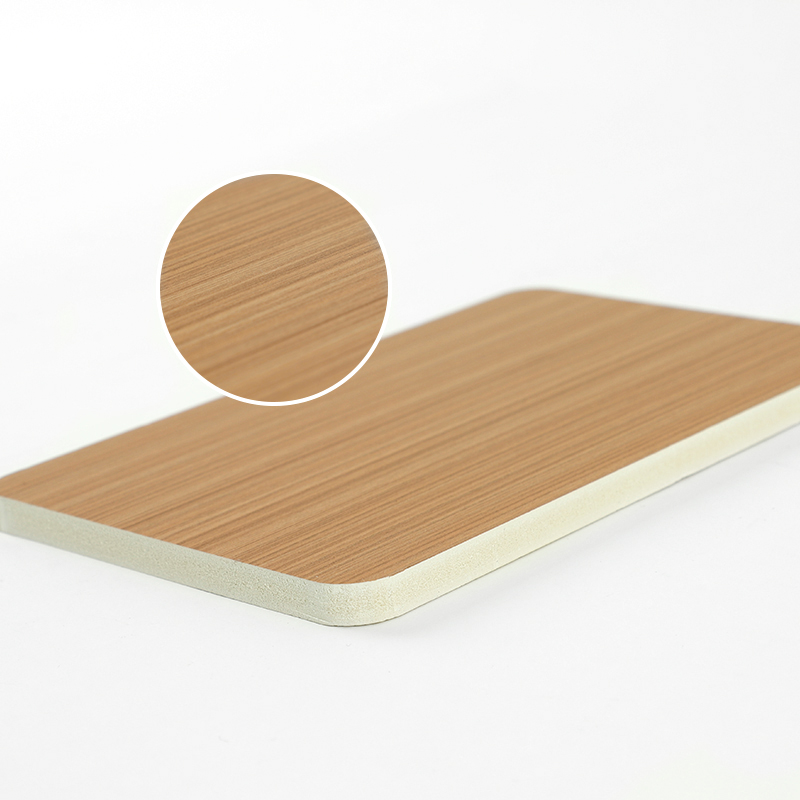
The architectural design of modern libraries has shifted from mere book storage to community hubs that prioritize user comfort and acoustic tranquility. In this evolution, the selection of interior cladding materials plays a pivotal role in shaping the atmosphere of these "quiet zones." Architects and facility managers are increasingly looking for versatile solutions like the PVC Wall Panel and its composite relatives, such as WPC, to meet the rigorous demands of public educational spaces. Choosing a material that balances aesthetic warmth with high-performance functionality is essential for creating an environment conducive to deep study and research.
Yes, WPC and PVC Wall Panel systems can absolutely be used in a library because they offer exceptional sound insulation and superior comfort, which are the primary requirements for a quiet study environment. These panels effectively reduce noise reverberation and provide a warm, inviting tactile experience that traditional stone or metal surfaces cannot replicate in a public learning space.
The integration of a PVC Wall Panel into a library setting addresses the two biggest challenges of public interiors: noise control and long-term durability. By utilizing advanced composite technology, these panels create a buffered environment where foot traffic and whispered conversations are absorbed rather than echoed. In the sections below, we will explore the specific technical advantages of using these high-quality panels, from their ease of installation to their cost-effectiveness, while highlighting why their unique focus on comfort makes them the gold standard for library design in 2026.
Table of Contents
Aesthetic Appeal
Durability
Easy Installation
Maintenance
Safety
Sound Insulation
Cost-effectiveness
Customization
Aesthetic Appeal
The aesthetic appeal of a PVC Wall Panel lies in its ability to mimic high-end natural materials like oak, walnut, and marble while maintaining a consistent and flawless visual finish.
In a library, the visual environment directly impacts the psychological comfort of the readers. A PVC Wall Panel can be manufactured with ultra-high-definition printing and 3D embossing to replicate the deep grains of natural wood. This creates a "biophilic" design—a connection to nature—which has been scientifically proven to reduce stress and improve concentration levels. Whether the library aims for a classic "old-world" academic look with dark wood textures or a bright, modern minimalist vibe with soft-touch matte panels, the versatility of PVC ensures a perfect match.
Beyond simple color, the texture of the PVC Wall Panel adds a layer of sophistication to library walls. Fluted designs or "slat" patterns can create a sense of rhythm and height in large, open-plan reading rooms. By breaking up large, flat surfaces, these panels add architectural interest without the need for expensive structural changes. This visual depth helps to define different zones within a library, such as separating children's reading areas from adult research sections through varying textures and tones.
Furthermore, the consistency of a PVC Wall Panel system is a major advantage for large-scale projects. Unlike natural wood, which may have knots, cracks, or color variations that disrupt a clean look, every PVC Wall Panel is produced to exact specifications. This ensures that a library spanning several floors maintains a cohesive and professional appearance throughout its entire interior. The result is a polished, high-end aesthetic that remains vibrant for decades.
Creating Thematic Zones with PVC
Children's Section: Bright, soft-touch panels that encourage engagement.
Research Halls: Deep wood-grain PVC Wall Panel styles for a serious, scholarly atmosphere.
Multimedia Rooms: Sleek, modern 3D geometric patterns that signal technology and innovation.
Durability
The durability of a PVC Wall Panel ensures that library interiors remain in pristine condition despite heavy daily use by the public and frequent contact with furniture.
Libraries are high-traffic public institutions where walls are often subjected to bumps from book carts, chairs, and backpacks. A high-quality PVC Wall Panel is engineered with a high-density core and a protective wear layer that resists scratches and impacts. Unlike traditional painted drywall, which chips and scuffs easily, the PVC Wall Panel maintains its structural integrity and surface beauty even in the busiest corridors or near popular circulation desks.
The longevity of the PVC Wall Panel is also reflected in its resistance to aging. In libraries with large windows, traditional materials might fade or become brittle due to UV exposure. Modern PVC Wall Panel technology includes UV-stabilized coatings that prevent yellowing or color loss, ensuring that the library looks as good ten years after installation as it did on day one. This makes it an ideal choice for reading nooks placed near natural light sources.
Moreover, the material composition of a PVC Wall Panel prevents common issues like warping or splintering. In environments where the temperature might fluctuate due to large open spaces and HVAC systems, these panels remain dimensionally stable. This durability translates to fewer repairs and a lower risk of wall-related accidents, providing a reliable and safe background for the thousands of visitors a library serves annually.
Easy Installation
Easy installation is a hallmark of the PVC Wall Panel system, utilizing a tongue-and-groove or click-lock mechanism that allows for rapid renovation without closing the library to the public.
Time is a critical factor for public institutions. Traditional wall renovations involving plaster, sanding, and painting can take weeks and create immense amounts of dust that can damage sensitive book collections. In contrast, a PVC Wall Panel system can be installed directly over existing surfaces with minimal preparation. The lightweight nature of the panels means they can be handled by a small team, significantly reducing labor costs and the overall timeline of the project.
The "dry" installation process of a PVC Wall Panel is particularly beneficial for libraries. Because there is no need for wet cement or odorous paints, the library can often remain partially open during the upgrade. The panels are cut to size easily on-site and secured using specialized adhesives or hidden clips, creating a seamless and clean finish. This efficiency allows facility managers to update a single room or an entire wing with zero mess and maximum speed.
Additionally, the modular nature of the PVC Wall Panel means that if a single section is ever damaged, it can be replaced individually without tearing down the entire wall. This "plug-and-play" approach to interior design ensures that the library can maintain its high standards of appearance with minimal effort. The simplicity of the system empowers maintenance teams to perform upgrades or repairs quickly and effectively.
Comparison of Installation Methods
| Feature | PVC Wall Panel | Traditional Drywall | Solid Wood Panels |
| Preparation | Minimal | Heavy sanding/priming | Structural framing |
| Mess Level | Very Low | High (Dust/Debris) | Moderate (Sawdust) |
| Odor | None | High (Paint/Primer) | Moderate (Varnish) |
| Completion | 1-2 Days | 5-7 Days | 7-10 Days |
Maintenance
Maintenance for a PVC Wall Panel is exceptionally simple, requiring only basic cleaning to maintain its appearance and hygienic properties in a public setting.
In a library, cleanliness is paramount to protect the health of visitors and the longevity of the book collection. A PVC Wall Panel features a non-porous surface that does not trap dust, pollen, or other allergens. Unlike fabric wall coverings or rough stone, which require professional deep-cleaning, these panels can be kept spotless with a simple wipe-down using a damp cloth and mild detergent. This ease of care ensures the library remains a healthy environment for students and children.
The stain resistance of the PVC Wall Panel is another significant benefit. In public spaces, accidental spills or marks from pens and pencils are inevitable. Because the surface of a high-grade PVC Wall Panel is treated with a protective film, most stains do not penetrate the material and can be removed without leaving a ghosting effect. This is particularly useful in "maker spaces" or children's craft areas within the library where the risk of messes is higher.
Furthermore, the PVC Wall Panel does not require the periodic repainting, waxing, or polishing that other materials demand. Once installed, the color and texture are permanent. This "set and forget" quality allows library budgets to be allocated toward new books and community programs rather than expensive building maintenance contracts. The long-term visual consistency provides a sense of reliability and prestige to the institution.
Safety
Safety is a fundamental feature of the PVC Wall Panel, offering non-toxic, formaldehyde-free composition that meets the highest environmental standards for indoor public spaces.
When choosing materials for a library, especially one that serves children and the elderly, indoor air quality is a non-negotiable factor. Many traditional building materials emit Volatile Organic Compounds (VOCs) that can cause respiratory issues. A premium PVC Wall Panel is manufactured to meet E0 or E1 environmental standards, ensuring it is formaldehyde-free and safe for prolonged exposure. This commitment to health creates a safer breathing environment for staff and visitors alike.
The physical safety of a PVC Wall Panel also comes from its smooth, splinter-free surface. Unlike natural wood walls that can develop sharp edges or splinters over time, PVC remains smooth and safe to the touch. This is an essential consideration for libraries that feature interactive displays or low-level wall areas where children frequently play and browse books. The material's inherent "softness" compared to stone or metal also provides a safer surface in the event of accidental bumps.
Additionally, the lightweight nature of the PVC Wall Panel enhances structural safety. In the event of extreme circumstances, these panels do not pose the same risk of heavy falling debris as traditional stone slabs or thick timber. They are securely fastened and designed to stay in place, providing a stable and secure backdrop for the library's daily operations. By prioritizing these safety features, architects can ensure the library is a sanctuary for everyone in the community.
Sound Insulation
Sound insulation is the primary selling point of the PVC Wall Panel in a library, as it significantly reduces echo and absorbs ambient noise to create a quiet study atmosphere.
The "hush" of a library is its most defining characteristic, and the PVC Wall Panel is the perfect tool to maintain it. These panels are often designed with internal hollow structures or acoustic-grade densities that break up sound waves. When sound travels through a room, it bounces off hard surfaces like glass or concrete, creating a distracting echo. A PVC Wall Panel absorbs a portion of this energy and diffuses the rest, dramatically lowering the "Reverberation Time" (RT) of the space.
In large, high-ceilinged library halls, noise from footsteps and shifting chairs can become overwhelming. By installing a PVC Wall Panel on the walls or even as part of a ceiling system, the ambient noise floor is lowered. This allows students to focus on their work without being disturbed by the activities of others. The acoustic comfort provided by these panels is so effective that it is often the deciding factor for library designers choosing between different cladding options.
Beyond general noise reduction, a PVC Wall Panel can be used to create specific "Acoustic Zones." For example, a library might use thicker, textured panels in a designated quiet study room to provide maximum sound dampening, while using thinner panels in the lobby. This strategic use of the PVC Wall Panel allows for a multi-functional floor plan where different activities can coexist without sonic interference.
Acoustic Benefits At A Glance
Noise Reduction: Minimizes the sound of foot traffic and voices.
Echo Control: Prevents sound from "bouncing" off walls.
Focus Enhancement: Creates a psychologically calm environment.
Privacy: Helps to contain sound within meeting or study rooms.
Cost-effectiveness
Cost-effectiveness is a major driver for choosing a PVC Wall Panel, as it offers a luxury appearance and high-performance features at a significantly lower total cost of ownership.
Library budgets are often limited, making the PVC Wall Panel an attractive option for both new builds and renovations. The initial purchase price of the panels is typically lower than that of solid wood or high-end stone. However, the true savings come from the reduced installation time and the elimination of the need for specialized labor. Because the PVC Wall Panel is so easy to work with, the overall project cost is often 30-50% lower than using traditional premium materials.
The long-term financial benefits of the PVC Wall Panel are equally impressive. Because the material does not require repainting, sealing, or professional polishing, the ongoing maintenance costs are virtually zero. When you factor in the durability of the panels—which can last for decades without needing replacement—the "Cost Per Year" of the installation is remarkably low. For public institutions, this represents a responsible use of taxpayer or donor funds.
Furthermore, the energy-saving properties of a PVC Wall Panel can contribute to lower utility bills. These panels provide an additional layer of thermal insulation, helping to maintain a consistent indoor temperature. This means the library's HVAC system doesn't have to work as hard to keep the space comfortable, leading to month-over-month savings on energy costs. In the long run, the PVC Wall Panel pays for itself through these accumulated efficiencies.
Customization
Customization options for a PVC Wall Panel are virtually limitless, allowing libraries to integrate unique colors, textures, and even brand-specific graphics into their interior design.
Every library has its own unique character, and the PVC Wall Panel can be tailored to reflect that. Modern manufacturing techniques allow for a wide range of surface finishes, from high-gloss to ultra-matte. Libraries can choose panels that match their school colors, or even specify textures that complement existing furniture. This level of customization ensures that the interior design is not just functional, but also a true reflection of the community's identity.
In addition to colors and textures, the PVC Wall Panel can be produced in various shapes and sizes. Slat panels, 3D waves, and geometric puzzles are all possible, allowing for creative wall installations that double as art. For a modern "Learning Commons," these customized panels can turn a plain wall into a dynamic focal point that inspires creativity and engagement. The ability to mix and match different PVC Wall Panel styles gives designers the freedom to experiment without breaking the budget.
Finally, the adaptability of the PVC Wall Panel means it can be integrated with other technologies. Panels can be cut to accommodate hidden LED lighting, power outlets, or digital screens. In a 21st-century library where technology is as important as books, having a wall system that is easy to modify and customize is a huge advantage. The PVC Wall Panel is not just a covering; it is a flexible platform for modern library services.
Conclusion: Elevating Library Spaces with PVC
The use of the PVC Wall Panel in libraries represents a smart intersection of design, economy, and functionality. By prioritizing the comfort of the reader and the acoustic quality of the room, these panels transform libraries from cold, echoing halls into warm, silent retreats for the mind. With benefits ranging from extreme durability and ease of maintenance to high-end customization and cost-effectiveness, the PVC Wall Panel is more than just a decorative choice—it is a functional necessity for the modern public institution.
As we look toward the future of public architecture, the focus remains on creating spaces that serve the people. A library clad in high-quality PVC Wall Panel systems is a library that is prepared for the future: safe, quiet, beautiful, and sustainable. For any facility manager or architect looking to upgrade a library, the choice of PVC provides a reliable path to a world-class interior.