
Can pu panels be used in residential buildings?
Views: 0 Author: Site Editor Publish Time: 2026-07-06 Origin: Site


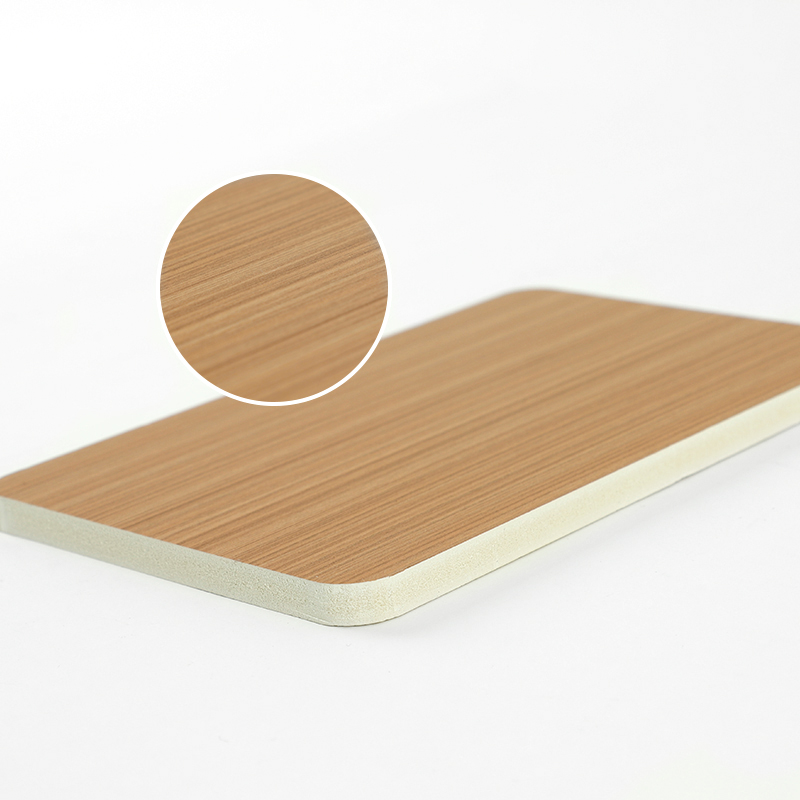
Yes, PU panels, including lightweight high-density polyurethane wall panels such as the PU Wave Wall Panel, can definitely be used in residential buildings to deliver superior thermal insulation, modern acoustic damping, exceptional durability, and effortless aesthetic modernizations across interiors like living rooms, home libraries, private auditoriums, conference areas, and residential exercise studios.
Polyurethane (PU) paneling technology has transitioned from industrial cold-storage applications into high-end modern residential architecture and commercial structural projects. Homeowners, architects, and interior designers increasingly seek building materials that balance physical weight, energy efficiency, ease of installation, and refined visual appeal. Polyurethane composite boards fulfill these requirements through advanced polymer formulations, precise structural molding, and highly stable performance characteristics.
In contemporary residential design, acoustic privacy, stable environmental temperatures, and eco-friendly material profiles are primary architectural objectives. High-density rigid polyurethane wall elements provide a seamless solution, delivering thermal barrier ratings superior to traditional drywall while reducing overall structural dead loads. This article delivers a rigorous, technical, and architectural analysis of utilizing PU materials in modern residential construction.
Table of Contents
Advantages of Using PU Panels in Residential Buildings
Insulation
Lightweight and Easy to Install
Aesthetic Appeal
Durability
Applications of PU Panels in Residential Buildings
Interior Walls and Ceilings
Exterior Cladding
Flooring
Considerations When Using PU Panels in Residential Buildings
Fire Safety
Environmental Impact
Compatibility with Other Materials

Advantages of Using PU Panels in Residential Buildings
Polyurethane (PU) panels provide residential buildings with superior thermal insulation, minimal structural weight, versatile architectural aesthetics, long-term physical durability, and substantial total cost savings over traditional masonry or wood paneling.
Polyurethane structural and decorative boards represent a major material advancement over standard fiber-cement, solid wood, or plasterboard configurations. By utilizing a closed-cell polymer matrix, PU structural units maintain low thermal conductivity coefficients, making them an ideal core barrier against ambient heat transfer. In residential construction, installing an engineered PU Wave Wall Panel high-density acoustic board minimizes thermal bridging and drastically reduces building energy consumption across heating and cooling seasons.
From an installation perspective, the closed-cell high-density polymer structure achieves high compressive strength while remaining lightweight. Structural dead load reductions allow engineers to design lighter load-bearing frames. Furthermore, the material exhibits minimal dimensional movement during humidity variations, ensuring joint stability across residential installations. Architectural versatility is further enhanced through precision pressure molding, which replicates natural timber, stone textures, and contemporary fluted wave geometry without adding the mass or maintenance burdens associated with traditional raw stone or dense timber features.
Economic analysis indicates that while raw polymer material costs can be comparable to premium architectural finishings, the substantial reduction in labor hours, heavy machinery requirements, and structural framing reinforcement yields a lower total installed cost per square meter. Over the lifecycle of a residential property, the thermal retention properties, resistance to biological degradation, and reduced maintenance schedules deliver significant cumulative financial returns for building owners.
1. Insulation
Featuring an exceptionally low thermal conductivity range between 0.020 W/m·K and 0.024 W/m·K, rigid polyurethane significantly outperforms traditional building materials like mineral wool, EPS, and XPS. Incorporating an architectural PU Wave Wall Panel within an interior wall assembly delivers maximum thermal resistance with reduced panel thickness, optimizing usable residential floor area while damping sound reverberations in home libraries, music rooms, and private offices.
2. Lightweight and Easy to Install
With density profiles ranging between 45 kg/m³ and 220 kg/m³, high-density polyurethane cuts material mass by up to 85% compared to stone or hardwood. This enables rapid single-person direct mechanical or adhesive mounting, allowing builders to effortlessly cut panels with standard woodworking tools and achieve seamless tongue-and-groove joint alignments without releasing hazardous silica dust.
3. Aesthetic Appeal
Modern polymer pressure molding allows exact reproduction of biological timber grain, slate, and geometric fluted wave geometries. A decorative PU Wave Wall Panel creates dynamic three-dimensional accent walls that accept acrylic coatings and paints, ensuring high color versatility without risking micro-cracking from standard thermal expansion cycles.
4. Durability
Polyurethane displays high structural resistance against mechanical impact, surface abrasion, mold growth, and moisture absorption. In active spaces like dance studios, home gyms, and activity rooms, these non-porous boards resist rot and household chemical exposure, eliminating the periodic oiling or pest treatment required by solid hardwood.
Maintenance Considerations and Handling Tips: Periodically dust surface wave contours using a soft microfiber cloth or vacuum brush attachment. Clean localized stains using warm water and a neutral pH surface detergent; avoid abrasive scrub pads or concentrated organic solvents like acetone and methyl ethyl ketone (MEK), which can soften polymer surface coatings.
Applications of PU Panels in Residential Buildings
PU panels excel in residential applications across interior feature walls, high-performing acoustic ceilings, exterior protective cladding systems, and specialty interior floor underlayment assemblies that demand high foot-comfort and sound attenuation.
The operational versatility of high-density polyurethane panels stems from their adaptable physical formulations, density controls, and surface finishes. Designers incorporate these components across critical residential spaces where clean installation, sound dampening, and refined aesthetics are paramount. Integrating an interior feature wall crafted with a continuous PU Wave Wall Panel design board elevates visual depth while quietly absorbing unwanted structural echo.
In ceiling applications, the low mass of polyurethane structural boards simplifies overhead installation while enhancing thermal stability beneath roof decks. For exterior building envelopes, specially treated high-density exterior PU cladding systems serve as continuous thermal barrier layers that reduce thermal bridging across exterior wall framing. In interior floor systems, soft elastic polyurethane underlayments and resilient floor layers provide comfortable underfoot cushioning and high impact sound insulation.
Architects frequently select high-density polyurethane finishes for specialty residential leisure spaces. In home auditoriums, private reading libraries, indoor dance rooms, personal fitness centers, and early-childhood playroom areas, polyurethane surfaces yield high sound absorption coefficients (NRC) while maintaining clean, non-toxic environmental conditions.
Application Area |
Core Technical Features |
Key Residential Benefits |
1. Interior Walls and Ceilings |
3D wave geometry diffuses acoustic waves; lightweight polymer eliminates overhead structural load; mounts directly via adhesive. |
Reduces echo in living rooms and home libraries; conceals ceiling wiring and adds thermal insulation beneath roof decks. |
2. Exterior Cladding |
UV-inhibiting protective topcoat; weatherproof foil facing; pre-molded shiplap edge interlocking system. |
Forms a continuous exterior thermal envelope; prevents driving rain ingress and prevents cold-weather cracking. |
3. Flooring |
High-density cushioned polyurethane core; non-toxic polymer composition; impact sound absorption. |
Provides high foot-comfort in home libraries, fitness rooms, and playrooms; dampens footstep noise and simplifies cleaning. |
Working Principle and Acoustic Mechanics: Rigid and semi-flexible polyurethane wall panels function by intercepting ambient sound waves. The structural geometry breaks up standing sound waves, while the micro-porous polymer matrix converts acoustic energy into low-level thermal energy through viscous air friction, reducing reverberation time (RT60) within residential rooms.
Considerations When Using PU Panels in Residential Buildings
When integrating PU panels into residential buildings, specifiers must carefully evaluate fire safety ratings, material environmental impacts, low-VOC emission certifications, and mechanical compatibility with adjacent structural materials.
While high-density polyurethane delivers superior thermal and aesthetic benefits, architectural planning requires thorough verification of building code compliance. Fire safety is a primary design metric: raw polyurethane polymers are organic materials that require flame-retardant chemical additives to satisfy residential building code standards. Modern residential-grade products incorporate expanded graphite or phosphorus-based fire retardants to achieve strict flame spread classifications.
Environmental performance is another vital consideration. Leading manufacturers utilize water-blown or low-global-warming-potential (GWP) hydrofluoroolefin (HFO) blowing agents to eliminate ozone depletion. Furthermore, modern residential interior panels must comply with low indoor emission standards, guaranteeing zero formaldehyde off-gassing and low volatile organic compound (VOC) emissions during daily operational life.
Ensuring mechanical compatibility with underlying sub-surfaces, framing systems, structural adhesives, and perimeter sealants prevents long-term joint shear or bond separation. Combining lightweight architectural products like a PU Wave Wall Panel continuous wall system with flexible polymer adhesives guarantees high physical stability across temperature shifts and seasonal atmospheric changes.
Key Considerations Overview
1. Fire Safety: Incorporates intumescent, halogen-free fire retardants forming a protective char layer under heat. Must meet EN 13501-1 Class B-s1, d0 or ASTM E84 Class A standards for minimal flame spread and smoke generation.
2. Environmental Impact: Produced using zero-ODP blowing agents (water-blown or HFOs) and bio-polyols. Requires GREENGUARD Gold or Eurofins Gold certification to ensure zero formaldehyde off-gassing and low VOC emissions.
3. Compatibility with Other Materials: Best attached using silane-modified polymer (SMP) or polyurethane adhesives (avoid high-solvent toluene adhesives). Requires 2–3 mm perimeter thermal expansion gaps to accommodate thermal expansion.
Compliance & Safety Metric |
Standard Target Rating |
Architectural Significance |
Fire Reaction Standard (EN 13501-1) |
Class B-s1, d0 |
Low combustibility, minimal smoke, zero flaming droplets |
Flame Spread Index (ASTM E84) |
Class A (FSI ≤ 25, SDI ≤ 450) |
Meets strict residential interior wall safety building codes |
Indoor VOC Emission Standard |
GREENGUARD Gold / Eurofins Gold |
Guarantees zero formaldehyde & healthy indoor breathability |
Adhesive Compatibility |
SMP / Elastomeric Polyurethane |
Ensures permanent bond strength without polymer degradation |
Installation Tip for Optimal Material Performance: Always acclimate polyurethane decorative wall panels inside the target residential room for 24 to 48 hours prior to installation. Ensure sub-surfaces are dust-free, fully cured, and chemically clean before applying construction adhesives to ensure maximum mechanical bond strength.
Summary
Polyurethane wall and surface paneling systems offer an exceptional combination of thermal efficiency, acoustic insulation, lightweight structural performance, and visual appeal for modern residential buildings. Whether deployed as decorative feature walling, acoustic ceiling boards, protective exterior cladding, or resilient interior floor underlayments, high-density polyurethane components deliver clear operational and financial benefits over traditional plasterboard, stone, or timber materials.
By selecting fire-rated, low-VOC, and eco-certified polyurethane products—such as engineered polyurethane wave wall panel systems—homeowners, interior designers, and residential architects can create energy-efficient, stylish, and quiet living spaces. As sustainable manufacturing processes continue to lower carbon footprints and refine polymer performance, polyurethane paneling will remain a leading material choice for modern residential architecture.


