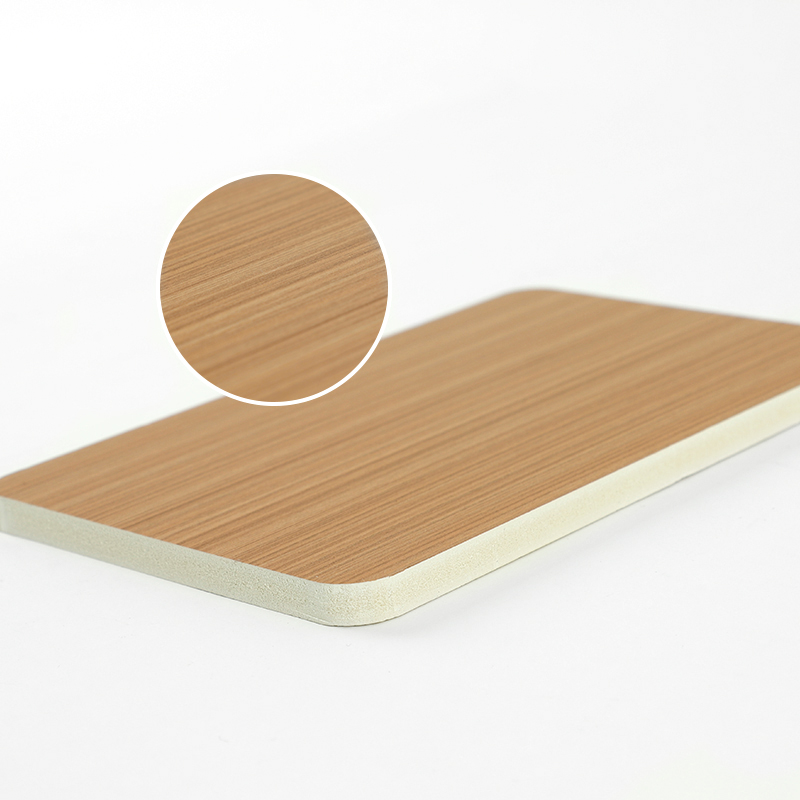
Vinyl plank flooring has become increasingly popular in recent years due to its durability, affordability, and aesthetic appeal. This versatile flooring option mimics the appearance of natural wood while offering superior resistance to moisture, scratches, and dents. Luxury vinyl plank (LVP) is a high-quality version of traditional vinyl flooring that features multiple layers, including a wear layer, printed design layer, and a core layer typically made of either IXPE or EVA materials.
The construction of vinyl plank flooring is designed to provide stability and longevity. The core layer, which can be either IXPE (Irradiated Crosslinked Polyethylene) or EVA (Ethylene Vinyl Acetate), gives the flooring its structure and determines many of its performance characteristics. Both materials offer excellent properties, but they differ in terms of density, resilience, and insulation capabilities.
Understanding Underlayment for Vinyl Plank
When installing vinyl plank flooring, one common question that arises is whether underlayment is necessary. Underlayment is a thin layer of material that is placed between the subfloor and the vinyl plank flooring. It serves several purposes, including providing cushioning, reducing noise, and smoothing out minor subfloor imperfections.
For vinyl plank flooring, the need for underlayment depends on several factors, including the type of vinyl plank being installed, the condition of the subfloor, and the specific requirements of the manufacturer. Some vinyl plank products come with a pre-attached underlayment, while others require a separate underlayment to be installed.
Types of Underlayment for Vinyl Plank
There are several types of underlayment available for vinyl plank flooring, each with its own set of advantages and disadvantages. The two most common base layers used in vinyl plank flooring are IXPE and EVA.
IXPE Underlayment
IXPE (Irradiated Crosslinked Polyethylene) is a popular choice for vinyl plank underlayment due to its excellent moisture resistance and durability. This material is created through a process that involves irradiating polyethylene to create crosslinks between polymer chains, resulting in a more stable and resilient material.
IXPE underlayment for vinyl plank offers:
Superior moisture resistance
Excellent thermal insulation properties
Good sound absorption
Resistance to mold and mildew
Long-lasting performance
EVA Underlayment
EVA (Ethylene Vinyl Acetate) is another common material used in vinyl plank underlayment. This material is known for its flexibility and cushioning properties, making it an excellent choice for areas where comfort underfoot is a priority.
EVA underlayment for vinyl plank provides:
Excellent cushioning and comfort
Good thermal insulation
Sound reduction capabilities
Flexibility that helps conform to subfloor irregularities
Resistance to moisture and mold
Benefits of Using Underlayment with Vinyl Plank
Installing underlayment beneath your vinyl plank flooring offers numerous benefits that can enhance the performance and longevity of your floor. Some of the key advantages include:
Noise Reduction: Underlayment helps absorb sound, reducing the noise generated when walking on vinyl plank flooring. This is particularly beneficial in multi-story buildings or in rooms where noise reduction is a priority.
Thermal Insulation: Underlayment provides an additional layer of insulation, helping to keep your floors warmer in winter and cooler in summer. This can contribute to energy efficiency and increased comfort.
Moisture Protection: Many underlayment options offer moisture barriers that protect your vinyl plank flooring from moisture rising from the subfloor, which is especially important in basements or areas prone to dampness.
Subfloor Imperfection Correction: Underlayment can help smooth out minor imperfections in the subfloor, creating a more even surface for your vinyl plank installation.
Increased Comfort: The cushioning effect of underlayment makes vinyl plank flooring more comfortable to walk on, reducing fatigue when standing for long periods.
Extended Floor Life: By providing additional support and protection, underlayment can help extend the lifespan of your vinyl plank flooring.
When is Underlayment Optional for Vinyl Plank?
While underlayment offers many benefits, there are situations where it may not be necessary for vinyl plank installation:
Pre-attached Underlayment: Many modern vinyl plank products come with underlayment already attached to the planks. In these cases, additional underlayment is not needed and may even cause problems with the installation.
Floating Installations on Smooth Subfloors: If you’re installing vinyl plank as a floating floor on a smooth, level subfloor, underlayment may be optional. However, it’s still recommended for noise reduction and comfort.
Glue-down Installations: When vinyl plank is being glued directly to the subfloor, underlayment is typically not used as it would interfere with the adhesive bond.
Manufacturer’s Recommendations: Always check the manufacturer’s guidelines for your specific vinyl plank product. Some manufacturers explicitly state whether underlayment is required or recommended for their products.
Conclusion
So, does luxury vinyl plank need underlayment? The answer depends on several factors, including the type of vinyl plank you’re installing, the condition of your subfloor, and the specific requirements of your space. While underlayment offers numerous benefits, including noise reduction, thermal insulation, and moisture protection, it may not be necessary for all vinyl plank installations.
When deciding whether to use underlayment with your vinyl plank flooring, consider the manufacturer’s recommendations, the specific needs of your space, and any accessibility requirements that may necessitate the use of tactile warning systems.
By carefully evaluating your options and considering the latest trends in vinyl plank installation, you can ensure that your flooring project meets both your aesthetic preferences and functional requirements, creating a beautiful, durable, and accessible space that will stand the test of time.