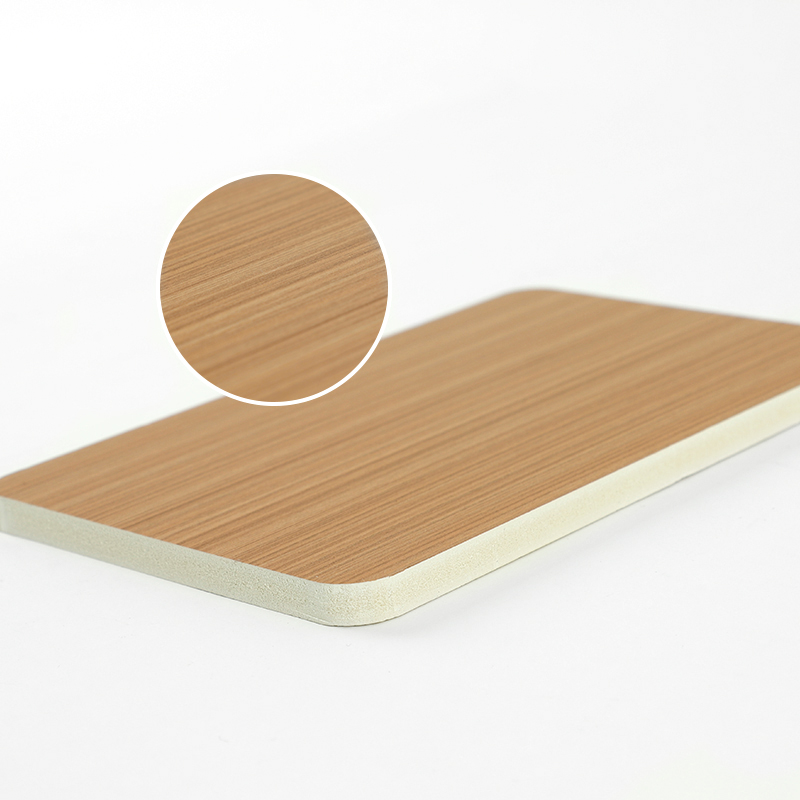
Installing a Marble Wall Panel or PVC 3D Marble Sheet is a practical way to create a clean, elegant marble-inspired wall finish without the weight and complicated installation associated with natural stone. A successful installation requires careful wall preparation, accurate measurement, clean panel cutting, suitable adhesive application, and precise positioning.
Designed primarily as an interior decorative wall cladding material, PVC marble sheets can be used for feature walls, living rooms, offices, hotels, retail spaces, reception areas, corridors, and many other interior applications. Proper installation helps ensure a flat surface, reliable adhesion, consistent marble patterns, and a professional finished appearance.
Table of Contents
Why Choose 3D PVC Marble Sheets?
Tools and Materials You'll Need
Step-by-Step Installation Process
Where Can You Install 3D PVC Marble Sheets?
Common Installation Mistakes to Avoid
Maintenance & Long-Term Surface Care
Why Choose 3D PVC Marble Sheets?
A PVC 3D Marble Sheet is an interior decorative wall panel designed to reproduce the visual appearance of natural marble in a lightweight and convenient sheet format. Compared with traditional stone materials, PVC marble wall panels can simplify transportation, handling, cutting, and installation.
Modern Marble Wall Panel products combine a rigid PVC-based core with a printed decorative layer and a protective surface finish. High-definition printing technology allows manufacturers to reproduce different marble colors, patterns, and vein designs, giving homeowners, designers, and contractors more flexibility when creating interior spaces.
One of the most important advantages of PVC marble wall panels is their relatively low weight compared with natural marble. This makes them easier to handle during installation and reduces the structural load placed on interior partition walls.
A PVC 3D Marble Sheet can also be cut according to the dimensions of the wall, helping installers create feature walls, decorative backgrounds, columns, reception areas, and other customized interior surfaces.
From a functional perspective, PVC marble sheets are primarily selected for their:
Decorative marble-inspired appearance
Lightweight panel construction
Convenient wall installation
Easy-to-clean surface
Variety of colors and stone patterns
Suitability for many interior wall applications
Lower installation complexity compared with natural stone
It is important to understand the intended function of the product. A PVC Marble Wall Panel is a decorative wall cladding product. It should not be regarded as an acoustic panel or sound-absorbing material unless a specific product has independently tested acoustic properties.
Likewise, because the product is installed on walls, characteristics such as underfoot comfort, cushioning, or walking feel are not relevant to its performance.
Typical Product Construction
Component | Description |
Core Material | PVC-based composite panel |
Decorative Surface | High-definition marble-pattern printing |
Surface Finish | Protective UV-treated decorative surface |
Primary Application | Interior decorative wall cladding |
Installation Method | Adhesive installation on a suitable wall substrate |
Available Designs | Various marble colors, veins, and decorative patterns |
Actual thickness, dimensions, surface treatment, fire rating, and other technical specifications may vary by product. Always refer to the manufacturer's current product data before specifying a panel for a particular project.
The main purpose of a PVC 3D Marble Sheet is to create an attractive decorative finish on an interior wall.
Its printed marble pattern can reproduce the appearance of natural stone while the rigid panel structure provides a convenient alternative to conventional marble slabs. When the panels are properly aligned, the finished wall can create a continuous and visually refined stone-inspired effect.
For the best result, installers should pay particular attention to wall flatness, panel layout, marble vein direction, adhesive compatibility, seam treatment, and edge finishing.
A professional-looking Marble Wall Panel installation begins with the right tools and materials.
Before starting, prepare the following items:
Tape measure
Laser level or spirit level
Pencil or marking tool
Steel ruler or straightedge
Suitable utility knife or cutting tool
Fine-toothed saw when required
Construction adhesive compatible with the panel and wall substrate
Caulking gun
Sanding block
Cleaning cloth
Appropriate wall cleaner or degreaser
Masking tape
Rubber pressure roller
Decorative trim or edge profiles where required
Protective gloves
Safety goggles
Dust mask when cutting or preparing the substrate
The exact cutting method depends on the thickness and construction of the PVC marble panel. Always test the cutting method on a spare piece when possible.
Adhesive selection is particularly important. Use an adhesive that is suitable for both the PVC 3D Marble Sheet and the wall substrate. Different walls—such as plasterboard, cement, painted surfaces, wood-based panels, or other substrates—may require different preparation and bonding methods.
Always follow the adhesive manufacturer's instructions regarding application quantity, open time, curing time, ventilation, and substrate compatibility.
Category | Recommended Tool / Material | Purpose |
Measurement & Alignment | Laser level, tape measure, steel ruler | Establishes accurate panel positions |
Cutting | Utility knife or suitable fine-toothed saw | Produces clean panel edges |
Adhesive Application | Compatible construction adhesive | Bonds the panel to the wall |
Surface Preparation | Sanding block and cleaning materials | Creates a clean and stable substrate |
Positioning | Rubber pressure roller | Helps create consistent adhesive contact |
Joint Finishing | Matching trim or profiles | Finishes corners and panel edges |
Safety | Gloves, goggles, dust mask | Protects the installer during preparation and cutting |
Step-by-Step Installation Process
Installing a Marble Wall Panel involves five main stages: preparing the wall, planning the layout, cutting the sheets, applying adhesive, and positioning the panels.
Taking time at each stage can significantly improve the final appearance.
Step 1: Prepare the Surface
Wall preparation is one of the most important parts of installing a PVC 3D Marble Sheet.
The installation surface should be:
Inspect the wall carefully before installation.
Remove loose material, repair visible cracks where necessary, and correct significant uneven areas. Any dust, grease, old adhesive residue, or unstable coating can reduce adhesive performance.
If the wall is uneven, sand or level the substrate before beginning the installation.
A flat wall helps the Marble Wall Panel maintain consistent contact with the adhesive and reduces the risk of visible waves, raised edges, gaps, or hollow areas after installation.
Make sure the wall is completely dry before applying adhesive.
Step 2: Measure and Plan the Layout
Measure the complete wall area before cutting any panels.
Record:
Use a laser level or spirit level to establish horizontal and vertical reference lines.
Before installation, consider how the marble pattern will continue from one PVC 3D Marble Sheet to the next. Panel orientation can have a major effect on the finished appearance, especially when using designs with prominent marble veins.
If possible, arrange the panels on the floor or against the wall before bonding them so you can check the sequence and pattern direction.
Numbering the backs of the panels can make installation easier.
For feature walls, consider starting from a central reference point and working outward. This can help create a more balanced appearance and avoid very narrow cut pieces at one side of the wall.
Careful planning also reduces material waste.
Step 3: Cut the Panels
Place the PVC 3D Marble Sheet on a stable and clean work surface.
Measure the required dimensions carefully and mark the cutting line on the panel.
Use a steel ruler or straightedge as a guide when making straight cuts.
Depending on the panel specification, cutting may be completed using a suitable utility knife, panel cutter, or fine-toothed saw. The appropriate method should be selected according to the actual thickness and construction of the sheet.
Cut slowly and accurately to minimize:
Chipped edges
Uneven cuts
Surface scratches
Incorrect dimensions
For electrical outlets, switches, pipes, or other penetrations, measure the opening carefully before cutting.
It is usually better to make the opening slightly larger only where necessary for installation tolerances and then finish the perimeter neatly with the appropriate cover plate or decorative trim.
Before applying adhesive, place the cut panel against the wall and confirm that the size and alignment are correct.
Step 4: Apply Adhesive to the Back
Once the panel has been checked for fit, turn it over carefully and place it decorative-side down on a clean surface that will not scratch the finish.
Apply a construction adhesive that is compatible with both the wall and the Marble Wall Panel.
Depending on the adhesive manufacturer's instructions, the adhesive may be applied in vertical lines, serpentine beads, or another recommended pattern.
Distribute the adhesive consistently across the rear of the panel rather than concentrating it in only a few isolated spots.
Adequate adhesive coverage helps:
Maintain consistent wall contact
Reduce hollow areas
Improve panel stability
Keep edges securely bonded
Support a flatter finished surface
Avoid applying excessive adhesive close to the outer edges, as it may squeeze through the joints when the panel is pressed onto the wall.
Follow the specified working time for the adhesive.
Step 5: Position the Panel on the Wall
Carefully lift the PVC 3D Marble Sheet and align it with the reference lines prepared earlier.
Check the position before applying full pressure.
Once the panel is correctly aligned, press it evenly against the wall, starting from the center and moving outward toward the edges.
This helps establish consistent adhesive contact behind the panel.
A rubber pressure roller can be used carefully across the surface to improve contact between the panel, adhesive, and wall substrate.
During this stage, continuously check:
Vertical alignment
Horizontal alignment
Marble pattern direction
Joint width
Edge position
Contact at corners
Temporary masking tape or another suitable temporary support method may be used where necessary to hold the panel in position while the adhesive cures.
Do not disturb the panel during the adhesive curing period.
Follow the adhesive manufacturer's specified curing time before removing temporary supports or carrying out additional finishing work.
Step 6: Finish the Joints and Edges
After the panels have been securely installed, inspect all joints, corners, and exposed edges.
Depending on the project design, joints may be finished using:
The finishing method should complement the marble pattern and surrounding interior design.
For external corners, trim profiles can help create a clean transition while protecting exposed panel edges.
Remove any installation marks or adhesive residue immediately using a cleaning method that is compatible with the panel surface.
Do not use aggressive solvents unless specifically approved by the manufacturer.
Where Can You Install 3D PVC Marble Sheets?
Because a PVC 3D Marble Sheet is primarily a decorative interior wall covering, it can be incorporated into many residential and commercial interior designs.
Common applications include the following.
1. Living Rooms
PVC marble wall panels can be used to create a feature wall behind a television, sofa, shelving system, or other focal point.
The marble-inspired pattern can provide a sophisticated visual effect without requiring a full natural-stone installation.
Panels can also be combined with lighting, metal trims, wood finishes, or other decorative materials to create contemporary wall designs.
2. Bedrooms
A Marble Wall Panel can be installed behind a bed as a decorative background or used on selected wall sections to add visual contrast.
Lighter marble patterns can help create a clean, modern appearance, while darker designs can be used for more dramatic interiors.
3. Offices and Conference Rooms
PVC marble sheets can provide office interiors with a polished and professional appearance.
Common locations include:
The product's purpose in these spaces is to provide an attractive decorative wall surface rather than acoustic treatment.
If acoustic control is required in a conference room or office, dedicated acoustic materials should be specified separately.
4. Hotels
Hotels can use PVC 3D Marble Sheets in reception areas, corridors, decorative walls, guest-room feature walls, and other interior spaces.
Marble-inspired surfaces are especially useful where designers want a stone-style appearance while using a lightweight wall finishing material.
5. Retail Stores and Showrooms
Retail environments often rely on wall finishes to reinforce brand presentation.
PVC marble wall panels can be used behind counters, product displays, reception desks, signage, and feature areas to create a clean commercial appearance.
Different marble patterns can be selected to complement the color scheme and style of the store.
6. Restaurants and Cafés
Restaurants, cafés, and hospitality interiors can use Marble Wall Panels as decorative wall surfaces around dining spaces, reception areas, counters, and feature walls.
Always confirm that the selected panel and installation system are suitable for the specific environmental conditions of the intended location.
7. Libraries and Study Areas
In libraries and study spaces, PVC marble wall panels can provide a neat, professional, and easy-to-coordinate decorative finish.
They can be used on feature walls, reception spaces, corridors, and selected interior partitions.
PVC marble sheets themselves should not be specified as sound-absorbing panels. Where acoustic control is required, purpose-designed acoustic products should be installed as part of a separate acoustic system.
8. Healthcare and Institutional Interiors
Depending on the product specification and applicable project requirements, PVC marble sheets may also be considered for decorative wall areas in clinics, offices, public buildings, educational facilities, and similar interiors.
For healthcare, educational, or public-building projects, always verify the required fire, hygiene, emissions, and regulatory certifications for the specific product before installation.
9. Gyms and Fitness Facilities
A Marble Wall Panel can also be used as a decorative wall finish in fitness clubs, gym reception areas, changing-area corridors, and selected feature walls.
The panel remains a wall cladding material in these environments.
Its performance should not be described in terms of underfoot comfort, cushioning, impact absorption from walking, or flooring performance because it is not a floor covering.
Similarly, standard PVC marble wall panels should not be promoted as acoustic absorption materials unless independent test data for a specific product demonstrates such performance.
Common Installation Mistakes to Avoid
Even a high-quality PVC 3D Marble Sheet may produce an unsatisfactory result if it is installed incorrectly.
Here are several common mistakes and how to avoid them.
Installation Mistake | Possible Result | Recommended Solution |
Installing over an uneven wall | Visible waves or hollow areas | Level and prepare the substrate first |
Failing to remove dust or grease | Weak adhesive bonding | Clean and dry the wall thoroughly |
Using incompatible adhesive | Panel movement or poor adhesion | Confirm compatibility before installation |
Applying too little adhesive | Loose areas or raised edges | Use consistent adhesive coverage |
Cutting before confirming measurements | Material waste | Measure twice before cutting |
Ignoring marble vein direction | Discontinuous visual pattern | Arrange and number panels before bonding |
Poor panel alignment | Uneven joints | Use laser or level reference lines |
Excess adhesive near edges | Adhesive squeeze-out | Keep adhesive appropriately away from panel edges |
Insufficient pressing | Inconsistent wall contact | Apply even pressure across the panel |
Moving panels during curing | Alignment changes | Leave panels undisturbed until adhesive cures |
Do Not Install on an Unstable Surface
A wall that is crumbling, damp, heavily cracked, or covered with loose paint should be repaired before panel installation.
Adhesive cannot compensate for an unstable substrate.
Do Not Skip the Dry Layout
Checking panel positions before applying adhesive can prevent pattern mismatches and incorrect cuts.
For marble designs with directional veins, this step is particularly important.
Do Not Treat Wall Panels as Flooring
PVC marble wall sheets are intended for wall decoration.
They should not be evaluated according to walking comfort, foot traffic performance, cushioning, or underfoot feel.
If flooring is required for the same interior project, select a dedicated flooring product designed for the expected traffic level and application.
Do Not Treat Standard UV Marble Sheets as Acoustic Panels
A standard UV Marble Sheet or PVC Marble Wall Panel does not provide dedicated sound absorption simply because it is installed on a wall.
For projects that require reduced reverberation, echo control, or acoustic treatment, use tested acoustic wall panels, acoustic ceilings, absorptive materials, or another purpose-designed acoustic solution.
Keeping these product categories separate helps designers and installers select the correct material for each performance requirement.
Maintenance & Long-Term Surface Care
PVC marble wall panels generally require straightforward routine cleaning.
For normal maintenance:
Remove loose dust with a soft cloth.
Wipe the surface using a clean, damp microfiber cloth.
Use a mild, compatible cleaning product when necessary.
Remove stains promptly.
Dry the surface after cleaning when appropriate.
Avoid using:
Abrasive cleaning methods can scratch or dull the decorative surface.
When cleaning around panel joints and trim profiles, avoid forcing excessive water or cleaning solution into the edges.
For commercial projects, establish a regular cleaning schedule based on the amount of contact, dust, and environmental exposure in the installation area.
Tips for a More Professional Finish
For the best visual result, consider the following installation practices.
Match the Marble Veins
Before installing the panels, compare the decorative patterns and decide how the veins should flow across the wall.
Thoughtful pattern arrangement can make multiple sheets appear more visually continuous.
Keep Reference Lines Visible
Do not rely only on ceilings, floors, or adjacent walls as alignment references because existing building surfaces may not be perfectly level.
A laser level provides a more reliable installation guide.
Protect the Decorative Surface
Keep the front face of each PVC 3D Marble Sheet clean during cutting and installation.
Use a clean workbench and avoid dragging panels across rough surfaces.
Check Each Panel Before Continuing
After positioning every sheet, check its level, joints, and pattern alignment before moving to the next panel.
Correcting a positioning error is much easier before the adhesive begins to cure.
Use Suitable Trims Where Necessary
Decorative trim profiles can improve the appearance of external corners, transitions, exposed edges, and junctions with other wall finishes.
Select trim colors and finishes that complement the marble pattern.
FAQ
Are PVC 3D Marble Sheets installed on walls or floors?
PVC 3D Marble Sheets described in this guide are decorative wall cladding panels. They are installed vertically on suitable interior wall substrates.
They should not be treated as flooring products unless a manufacturer specifically produces and certifies a separate product for floor installation.
Do UV marble sheets absorb sound?
Standard UV marble wall sheets should not be considered sound-absorbing materials.
Their primary function is decorative wall finishing. If a room requires acoustic absorption or reverberation control, dedicated acoustic panels or other tested acoustic products should be used.
No.
Underfoot comfort is a flooring characteristic. Because a Marble Wall Panel is installed on the wall, walking feel, cushioning, and underfoot performance are unrelated to the intended application of the product.
Can PVC marble sheets replace natural marble?
For many decorative interior wall applications, PVC marble sheets can provide a marble-inspired visual effect while being lighter and easier to handle than natural stone.
However, the two materials have different physical characteristics and should be selected according to the requirements of the project.
Can homeowners install PVC marble wall panels themselves?
DIY installation may be possible for relatively simple walls if the installer has appropriate measuring, cutting, and adhesive application skills.
Complex walls, large commercial projects, irregular substrates, or installations involving multiple corners and openings may benefit from professional installation.
What adhesive should be used?
Use a construction adhesive that is confirmed to be compatible with both the PVC panel and the wall substrate.
Always follow the recommendations of the panel and adhesive manufacturers.
How should marble patterns be arranged?
Lay out the panels before bonding and compare the vein direction of adjacent sheets.
Numbering panels according to their installation sequence can help maintain a more consistent visual pattern.