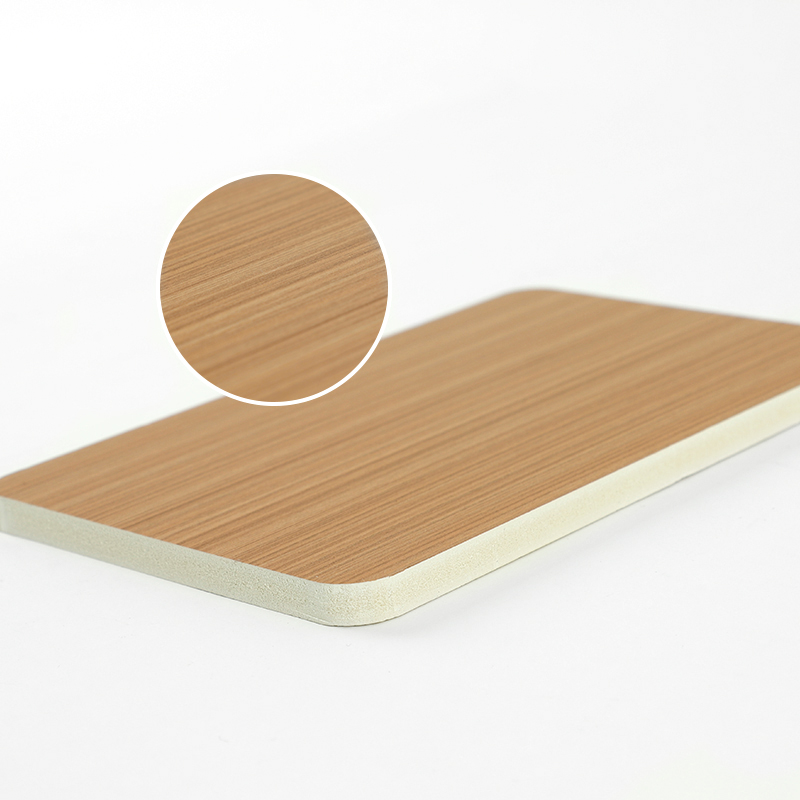
Self-adhesive LVT flooring represents an exceptionally worthwhile investment for specific commercial environments due to its low initial procurement costs, rapid installation process that minimizes business downtime, excellent acoustic dampening properties, and superior underfoot comfort.
To fully determine whether this material aligns with your specific project requirements, it is necessary to evaluate its material composition, targeted application areas, and long-term performance indicators. A comprehensive review of maintenance protocols, installation methodologies, and cost-benefit ratios will provide the clarity needed to make an informed procurement decision. The following sections provide a detailed, data-driven analysis of how these self-adhesive surfacing solutions perform in demanding commercial settings.
Executive Summary Matrix
Section (H2 Topic)
Summary of Content Paragraphs
Understanding Self-Adhesive LVT Flooring
Defines the material composition, manufacturing process using polyvinyl chloride, and the pre-applied pressure-sensitive adhesive backing.
The Value Proposition of LVT Flooring in Commercial Spaces
Analyzes the fundamental benefits of resilient planks, focusing on durability, design flexibility, and cost-efficiency.
Key Advantages of Self-Adhesive Resilient Planks
Details the specific benefits including rapid installation, superior underfoot comfort, and excellent sound insulation.
Ideal Commercial Applications for Peel-and-Stick LVT
Identifies optimal environments such as libraries, conference rooms, dance studios, fitness centers, hospitals, and kindergartens.
Installation Best Practices for Commercial Longevity
Outlines the critical steps for subfloor preparation, environmental conditioning, and correct layout execution.
Maintenance and Longevity of Self-Adhesive Surfaces
Explains the daily cleaning protocols, protective measures, and repair procedures to maximize service life.
Comprehensive Cost-Benefit Analysis
Compares material, labor, and lifecycle costs against traditional commercial surface options.
Understanding Self-Adhesive LVT Flooring
Self-adhesive LVT flooring is a highly engineered, multi-layered resilient surface material made primarily from polyvinyl chloride (PVC) resin compounded with stabilizers, plasticizers, and fillers, featuring a factory-applied pressure-sensitive adhesive on its backing.
This specialized category of LVT flooring represents a major advancement in resilient polymer surfaces. The manufacturing process involves compounding high-grade polyvinyl chloride with precise additives to ensure dimensional stability, flexibility, and impact resistance. These components are fused under intense heat and pressure through a coating or calendering process onto a continuous sheet base. The result is a high-density core layer that serves as the foundation for the realistic photographic print layer and the protective wear layer.
The distinguishing feature of this specific product is its integrated installation system. During production, a high-tack, pressure-sensitive adhesive is evenly applied to the bottom substrate of each plank or tile, which is then protected by a heavy-duty release paper. This design eliminates the need for separate structural adhesives during installation, streamlining the installation process. The factory-applied adhesive is formulated to create a permanent bond with properly prepared subfloors, maintaining its structural integrity under standard commercial traffic and temperature fluctuations.
From an environmental and safety perspective, modern manufacturing techniques ensure that these polymer-based planks meet strict indoor air quality standards. High-quality options utilize non-phthalate plasticizers and low-emission compounds, making them fully compatible with green building certifications. The inherent stability of the PVC compound prevents warping, cracking, or splintering, providing a uniform and predictable surface that maintains its aesthetic and functional integrity throughout its operational lifespan.
The Value Proposition of LVT Flooring in Commercial Spaces
The fundamental value of specifying LVT flooring in commercial architecture lies in its ability to deliver the premium appearance of natural materials alongside the superior durability, ease of maintenance, and cost-effectiveness of advanced polymers.
When evaluating modern surface materials, commercial specifiers consistently return to resilient planks due to their exceptional versatility. To understand why this product family has captured a massive share of the commercial market, it helps to read a detailed breakdown of what does LVT mean in flooring and how its multi-layered construction benefits commercial properties. The combination of a high-performance wear layer, a high-definition photographic film, and a stable vinyl core allows facilities to achieve sophisticated interior designs without the high procurement and maintenance expenses associated with hardwood, stone, or ceramic tiling.
In commercial environments, the durability of interior finishes directly impacts the bottom line. Resilient vinyl planks are engineered to resist scratches, scuffs, stains, and indentations caused by heavy foot traffic, wheeled equipment, and static furniture loads. The top protective layer, often reinforced with polyurethane or microscopic ceramic beads, acts as a barrier against daily wear. This ensures the underlying design remains vibrant and professional for years, even in high-traffic corridors and busy public spaces.
Furthermore, the adaptability of this material makes it an excellent choice for modern commercial design trends. It allows architects to establish visual continuity across large floor plans, transitions smoothly between different functional zones, and supports complex geometric layouts. The inherent moisture resistance and dimensional stability of the polyvinyl chloride core mean that the floor will not expand, contract, or buckle when exposed to seasonal humidity changes, ensuring a flat, safe, and attractive surface over the long term.
Key Advantages of Self-Adhesive Resilient Planks
The primary benefits of utilizing self-adhesive resilient planks include drastically reduced installation timelines, exceptional underfoot comfort that reduces physical fatigue, and outstanding acoustic performance that controls ambient noise levels.
1. Rapid and Simplified Installation Process
The integrated pressure-sensitive adhesive backing completely transforms the installation workflow. By removing the steps of measuring, spreading, and waiting for bulk wet glues to cure, installers can complete projects in a fraction of the time required for traditional glue-down materials. The simple "peel-and-stick" method requires minimal specialized tools, reduces installation errors, and allows the space to be opened to traffic immediately after completion, preventing costly operational downtime.
2. Superior Underfoot Comfort and Ergonomics
The multi-layered composition of polyvinyl chloride and specialized plasticizers provides a resilient surface that possesses a slight mechanical compliance under load. This elasticity offers excellent cushioning, which significantly improves ergonomic comfort for occupants who must stand or walk for extended periods. This structural compliance reduces strain on the lower limbs and joints, creating a more comfortable environment for employees, visitors, and patients alike.
3. Outstanding Acoustic Dampening and Sound Absorption
Commercial spaces often suffer from elevated ambient noise levels caused by footsteps, dropped objects, and rolling loads. The dense yet flexible composition of these vinyl planks acts as a natural sound barrier, absorbing impact sound energy rather than reflecting it back into the room. This acoustic efficiency creates a quieter, more focused indoor environment, reducing the need for additional soundproofing underlayments.
4. Certified Environmental Safety and Material Hygiene
As a non-porous polymer material, this surfacing option does not harbor dust, pollen, or microbial pathogens. The smooth, sealed surface prevents dirt accumulation and simplifies disinfection protocols. Because the manufacturing process utilizes stable, low-emission formulations, these eco-friendly products support healthy indoor air quality, making them safe for sensitive environments occupied by children, elderly individuals, or medical patients.
Ideal Commercial Applications for Peel-and-Stick LVT
Self-adhesive LVT flooring is ideally suited for specialized commercial environments that require a combination of excellent acoustic control, superior underfoot ergonomics, hygienic surfaces, and rapid installation, such as educational, healthcare, and fitness facilities.
1. Educational Institutions and Kindergartens
In early childhood education facilities and schools, surface materials must meet strict safety, comfort, and hygiene standards. The resilient nature of vinyl planks provides a softer surface that helps cushion accidental slips and falls, while its excellent acoustic properties help control noise levels in busy classrooms. The eco-friendly, low-emission material composition ensures a safe breathing environment for young children, and the non-porous surface allows for quick cleaning of spills, markers, and paint.
2. Healthcare Facilities and Hospitals
Medical environments demand strict infection control and excellent ergonomic support for staff working long shifts. The seamless appearance and non-porous structure of these vinyl planks prevent the growth of bacteria and fungi, allowing for thorough sanitization with standard medical-grade cleaners. Additionally, its sound-absorbing qualities help maintain a quiet, restful atmosphere in patient care areas, while the cushioned feel reduces physical fatigue for doctors and nurses.
3. Corporate Environments and Conference Rooms
Modern office spaces, especially meeting rooms and boardrooms, rely heavily on clear acoustics for effective communication and presentations. Implementing these resilient planks significantly reduces the sound of footsteps and moving chairs, keeping background noise to a minimum. The wide range of sophisticated design options allows corporate facilities to project a polished, professional image while enjoying the low maintenance requirements of a high-performance vinyl surface.
4. Libraries and Quiet Study Areas
Libraries require strict acoustic control to maintain a quiet atmosphere conducive to research and reading. Traditional hard surfaces often amplify foot traffic noise, causing frequent distractions. The sound-dampening properties of this resilient material absorb impact noise, allowing visitors to move freely through book stacks without disrupting others. Its high resistance to static loads also ensures the floor can support heavy book shelving without sustaining permanent indentations.
5. Fitness Centers and Dance Studios
Facilities dedicated to physical movement require surfaces that offer both structural stability and joint protection. The natural elasticity of this polymer formulation provides excellent energy restitution, shock absorption, and traction, which helps protect dancers and athletes from impact-related injuries. Its high durability also ensures the surface can withstand the consistent lateral stresses and light equipment movements common in active fitness spaces.
Installation Best Practices for Commercial Longevity
Achieving a permanent, flawless bond with self-adhesive vinyl planks requires careful subfloor preparation, thorough environmental conditioning, and precise layout planning.
The ultimate performance and service life of a pressure-sensitive surface depend heavily on the condition of the subfloor. The underlying substrate must be completely level, structurally sound, clean, and free of any dust, oil, old adhesives, or chemical residues. Any irregularities or debris left on the subfloor will telegraph through the flexible vinyl layer over time, creating visible imperfections on the finished surface and compromising the integrity of the adhesive bond.
Commercial Installation Workflow
Sequence
Step Name
Core Requirement
Technical Purpose
01
Subfloor Preparation
Ensure substrate is completely level, clean, and fully dry.
Prevents surface irregularities and ensures strong adhesive bonding.
02
Environmental Conditioning
Store materials in site conditions at 18–25°C for 48 hours.
Stabilizes vinyl core to prevent expansion or contraction after setup.
03
Precision Layout Planning
Snap center guidelines and perform dry layout checks.
Ensures balanced aesthetic alignment and proper edge trimming.
04
Peel-and-Stick Application
Remove release backing and press firmly from center outward.
Eliminates trapped air pockets and secures immediate contact.
05
Roller Consolidation
Roll entire surface area with a heavy-duty 45kg mechanical roller.
Activates pressure-sensitive compound for permanent adhesion.
Before beginning the installation, both the vinyl planks and the installation site must be properly conditioned. The materials should be stored flat in the target space for at least 48 hours at a stable temperature between 18°C and 25°C. This conditioning period allows the polymer compounds and the pressure-sensitive adhesive to stabilize, preventing subsequent expansion or contraction that could lead to shifting or gapping between the planks after installation.
During the layout process, installers should establish clear center guidelines across the room to ensure a balanced, professional finish. When placing the planks, the backing paper is removed, and the tile is pressed firmly onto the substrate from the center outward to prevent trapping air. Once the entire layout is complete, rolling the floor with a 45kg heavy-duty mechanical roller is highly recommended. This application of uniform pressure activates the adhesive compound, ensuring a complete, permanent bond with the subfloor across the entire installation.
Maintenance and Longevity of Self-Adhesive Surfaces
Maintaining self-adhesive vinyl floors involves a simple routine of dry sweeping, damp mopping with pH-neutral cleaners, and using protective accessories to prevent mechanical damage.
One of the most attractive operational benefits of this material is its low-maintenance design. Unlike natural wood or stone surfaces, it does not require specialized sanding, sealing, or polishing. Daily maintenance is typically limited to sweeping or dry vacuuming to remove loose dirt and grit that could scratch the protective wear layer over time. For weekly cleaning, damp mopping with a standard pH-neutral commercial floor cleaner is sufficient to maintain its original appearance.
To maximize the service life of the installation in high-traffic commercial environments, implementing preventive maintenance measures is highly effective. Placing high-quality walk-off mats at exterior entryways helps capture dirt, moisture, and abrasive particles before they reach the vinyl surface. Additionally, fitting heavy furniture legs and rolling office chairs with soft felt glides or polyurethane casters distributes weights evenly and prevents deep surface scuffs or indentations.
Should an individual plank suffer severe localized damage from an accident or equipment failure, the modular nature of the system makes repairs simple and cost-effective. Instead of replacing the entire floor or handling complex partial re-patching, facility teams can carefully heat the damaged plank to soften the adhesive, lift it out, and install a fresh piece from their maintenance stock. This targeted repair process takes only minutes and requires zero specialized labor or extended downtime.
Comprehensive Cost-Benefit Analysis
A financial assessment reveals that self-adhesive vinyl planks deliver excellent long-term value by significantly lowering initial labor expenses and reducing operational downtime compared to alternative commercial flooring options.
Cost Factor / Performance Metric
Self-Adhesive LVT Planks
Traditional Glue-Down LVT
Commercial Carpet Tile
Hardwood / Engineered Wood
Material Procurement Cost
Moderate
Moderate to High
Low to Moderate
High
Installation Labor Expense
Low (Minimal tools)
Moderate (Wet glue prep)
Low to Moderate
High (Specialized labor)
Business Downtime Required
Near Zero (Immediate access)
24–48 Hours (Glue cure)
Minimal
Extended (Curing/Finishing)
Acoustic Performance Rating
Excellent
Good
Excellent
Poor (Reflective)
Underfoot Comfort / Ergonomics
High (Resilient core)
Moderate
Moderate
Poor
Localized Repair Difficulty
Very Easy (Peel-and-replace)
Moderate
Easy
Difficult (Sanding needed)
Average Service Life Range
10–15 Years
15–20 Years
5–10 Years
20+ Years
When reviewing procurement options, analyzing the total installed cost rather than just the raw material price provides a clearer financial picture. While traditional options might offer comparable material costs, their overall expense increases when factoring in wet adhesives, specialized tools, and extended labor timelines. Selecting high-quality options from a dedicated self-adhesive LVT flooring provider simplifies your logistics by combining the surface material and adhesive system into a single integrated product.
The financial advantages become even clearer when factoring in the cost of operational downtime. For revenue-generating spaces like fitness centers or busy facilities like hospitals and kindergartens, closing down for multiple days to install a floor can result in significant financial losses or operational disruption. The immediate traffic readiness of peel-and-stick planks allows projects to be completed overnight or during weekend shifts, keeping your operations running smoothly.
Over its operational lifespan, the combination of low maintenance requirements, simple cleaning protocols, and easy localized repairs ensures that the total cost of ownership remains low. Facilities save significantly on chemical treatments, professional buffing, and early replacement costs. These substantial savings, combined with a lower initial investment, make self-adhesive resilient vinyl planks an exceptionally smart, cost-effective choice for modern commercial interiors.
Conclusion: Making the Right Procurement Decision
When analyzing commercial building materials, self-adhesive LVT flooring stands out as a highly practical, durable, and cost-effective option for modern facilities. Its advanced multi-layered polyvinyl chloride construction ensures excellent dimensional stability and reliable resistance against heavy daily wear. Additionally, its outstanding sound absorption and cushioned underfoot comfort make it an ideal choice for environments focused on occupant well-being and productivity.
While traditional installations often involve complex adhesive applications and costly operational downtime, the integrated pressure-sensitive backing on these vinyl planks streamlines the renovation process. By significantly reducing labor expenses and allowing spaces to reopen immediately, this material delivers clear financial advantages from day one. When installed correctly over a properly prepared subfloor and maintained with simple cleaning practices, it provides a beautiful, high-performing surface that lasts for years.
For facility managers, commercial interior designers, and property owners seeking a balance of high aesthetic appeal, long-term durability, and smart cost management, this innovative resilient surface solution is a truly worthwhile investment. Choosing this material allows your organization to optimize renovation budgets, enhance indoor environment quality, and secure a high-performing surface that adds long-term value to your property.