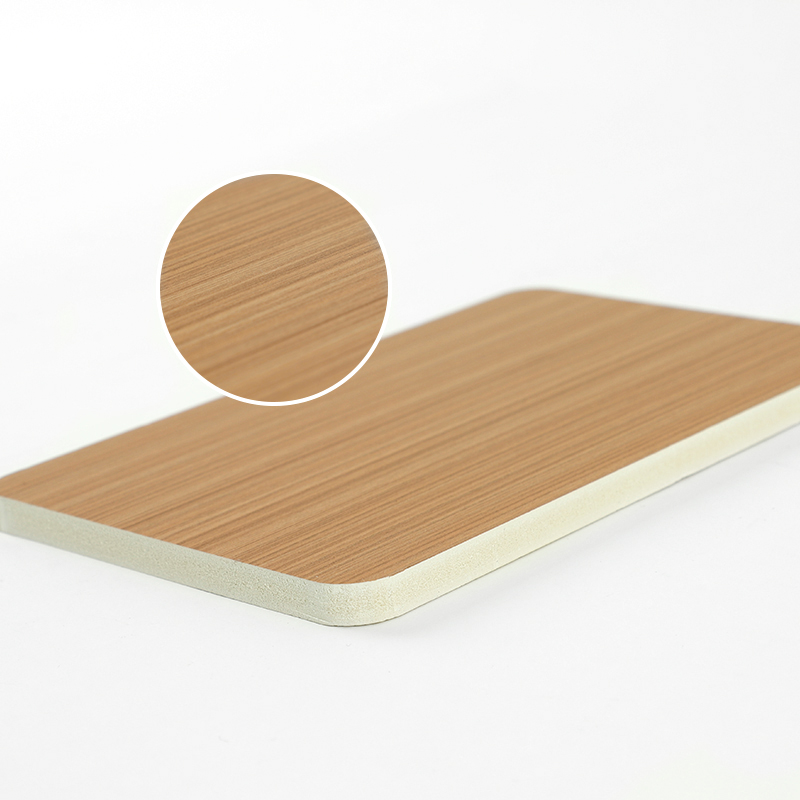
In the rapidly evolving world of commercial interior design, durability and long-term value have become the primary benchmarks for selecting building materials. For facilities such as high-traffic libraries, modern conference rooms, and healthcare environments like hospitals, the choice of wall cladding is no longer just about aesthetics. The PVC Wall Panel has emerged as a dominant solution for these spaces, primarily due to its unique combination of acoustic performance and ergonomic comfort. As businesses in 2026 look to maximize their return on investment, the question of longevity has moved to the forefront of the conversation.
The lifespan of a PVC Wall Panel is a critical metric for facility managers who need to balance initial capital expenditure with future maintenance costs. Unlike traditional drywall or natural timber, which can be prone to structural fatigue or surface degradation over time, synthetic composites are engineered specifically for resilience. However, "longevity" in a professional setting encompasses more than just the material remaining on the wall; it refers to the retention of its sound-absorbing properties, surface texture, and overall comfort levels that contribute to a productive workspace.
Under standard indoor conditions, a high-quality PVC Wall Panel typically lasts between 20 and 30 years, with premium engineering-grade panels often exceeding 40 years of service life. This longevity is supported by the material's inherent resistance to impact, its ability to maintain color stability under indoor lighting, and a structural composition that does not rot or decay like organic materials.
To fully understand the value proposition of these panels, one must look beyond the simple year count. The following guide provides a comprehensive analysis of the lifespan of PVC Wall Panel systems, the technical factors that influence their durability, and industry-standard practices to ensure they remain a functional asset for decades. By focusing on comfort-driven and acoustic-first applications, we explore how these panels serve as a permanent solution for the modern interior.
Table of Contents
Factors Affecting the Lifespan of PVC Wall Panels
The Expected Lifespan of PVC Wall Panels
How to Maximize the Longevity of Your PVC Panels
Final Say
Factors Affecting the Lifespan of PVC Wall Panels
The durability and operational life of a PVC Wall Panel are primarily determined by material purity, the precision of the installation process, and the specific environmental conditions of the interior space.
The most significant factor influencing the life of a PVC Wall Panel is the quality of the raw materials used during manufacturing. "Virgin" PVC—material that has not been recycled—contains longer polymer chains that provide superior structural integrity and resistance to brittleness. Panels made with lower-grade or highly diluted recycled plastics may exhibit surface cracking or "chalking" within the first decade. High-performance panels often incorporate calcium carbonate stabilizers which enhance the panel's rigidity without sacrificing the "soft-touch" comfort that is essential for spaces like kindergartens and wellness centers.
Installation quality acts as the foundation for a PVC Wall Panel's long-term performance. Even the highest-grade material will fail prematurely if the substrate is not properly prepared or if the expansion gaps are ignored. In large spaces like gymnasiums or dance studios, the panels must be able to expand and contract slightly with temperature shifts. If they are pinned too tightly or installed with low-quality adhesives, the resulting stress can lead to warping or joint separation, which compromises both the visual appeal and the acoustic sealing of the room.
Finally, the specific usage of the room plays a vital role. While a PVC Wall Panel is exceptionally durable, its lifespan in a high-impact environment like a hospital corridor may differ from its lifespan in a quiet library. In areas where the panels are frequently bumped by equipment or furniture, the thickness of the "wear layer"—the topmost protective film—becomes the deciding factor. Furthermore, while these panels are designed for interior comfort, prolonged exposure to direct, unfiltered high-intensity UV rays near large windows can eventually lead to subtle color shifts if the panels lack specific UV-resistant additives.
Summary of Influencing Factors
Material Composition: Use of virgin vs. recycled polymers and the density of the core.
Surface Coating: The thickness of the protective film that resists scratches and maintains texture.
Installation Technique: Correct use of tongue-and-groove systems and specialized adhesives.
Traffic Levels: Frequency of physical contact and impact in commercial settings.
The Expected Lifespan of PVC Wall Panels
In a professional environment, a standard PVC Wall Panel is expected to remain functional and aesthetically pleasing for 20 to 25 years, while premium versions used in low-impact areas can easily reach 40 years.
When we talk about the "expected lifespan," we are referring to the period during which the PVC Wall Panel retains its original performance specifications. In libraries and conference rooms—where the primary goal is sound insulation and a calm atmosphere—these panels often last much longer than their initial warranty period. Because they do not harbor pests and are not subject to the "peeling" issues seen with wallpaper or the "cracking" issues seen with paint, the visual degradation is remarkably slow.
Data from commercial interior studies suggest that a PVC Wall Panel installed in a controlled environment (like a climate-controlled office) undergoes less than 1% structural change over a 20-year period. This stability is why they are favored in hospitals and laboratories where long-term hygiene and structural reliability are mandatory. In contrast, natural wood panels in the same settings often require refinishing every 5-7 years to maintain their appearance, effectively making the PVC option a "one-time" investment for at least two decades.
The table below illustrates how the PVC Wall Panel compares to other common wall materials in terms of expected longevity and the maintenance required to reach those milestones:
| Material Type | Average Lifespan (Years) | Maintenance Level | Best Application |
| PVC Wall Panel | 20 - 40 | Very Low | Libraries, Hospitals, Offices |
| Traditional Drywall | 10 - 20 | High (Painting/Patching) | Residential Bedrooms |
| Natural Wood Cladding | 15 - 30 | Medium (Staining/Oiling) | High-end Boardrooms |
| Fabric Acoustic Panels | 7 - 12 | High (Dusting/Vacuuming) | Recording Studios |
| Ceramic Wall Tiles | 25 - 50 | Moderate (Grout Cleaning) | Restrooms, Kitchens |
How to Maximize the Longevity of Your PVC Panels
Maximizing the lifespan of a PVC Wall Panel involves a strategy of "preventative care," which includes professional installation, regular gentle cleaning, and protecting the surface from extreme heat sources.
The journey to a 30-year lifespan begins on the day of installation. To ensure your PVC Wall Panel doesn't suffer from premature warping, it is essential to allow the panels to "acclimatize" to the room's temperature for at least 24-48 hours before they are fixed to the wall. This simple step ensures that the material has reached its natural dimensions relative to the building's climate. Furthermore, using a high-quality, pH-neutral adhesive ensures that the bond between the panel and the substrate remains flexible yet strong for the duration of the panel's life.
Cleaning a PVC Wall Panel is remarkably simple, but using the wrong tools can shorten its aesthetic life. To maintain the panels in a library or hospital, a simple soft cloth and a mixture of warm water and mild soap are all that is needed. You must avoid abrasive scouring pads or harsh chemical solvents (like acetone or bleach in high concentrations), as these can strip the protective wear layer and dull the finish. By keeping the surface free of dust and grime, you also maintain the panel's acoustic porosity, ensuring that its sound-absorbing qualities remain at peak performance.
Finally, while a PVC Wall Panel is designed to be comfortable and insulating, it is sensitive to extreme localized heat. To maximize longevity, panels should be kept away from high-heat industrial equipment or unshielded heating elements. In a modern office, this rarely occurs, but ensuring that task lighting or space heaters are not placed directly against the panels will prevent "hot spots" that could lead to subtle surface deformation over time. Regular inspections of the panel joints every few years can also help catch any minor building shifts that might need a quick adjustment.
Maintenance Checklist for Longevity
Annual Inspection: Check the integrity of the joints and corner trims.
Gentle Cleaning: Wipe down with a microfiber cloth every quarter to prevent dust buildup.
Climate Stability: Maintain a consistent indoor temperature to minimize expansion/contraction stress.
Impact Awareness: Use corner guards in heavy-equipment areas like hospital loading zones.
Final Say
The PVC Wall Panel represents one of the most durable and cost-effective investments available for modern commercial interiors. While its lifespan is mathematically measured in decades—typically 20 to 40 years—its true value lies in the "quiet comfort" it provides every day. By choosing a high-quality, virgin-polymer PVC Wall Panel and ensuring a professional, climate-aware installation, businesses can effectively remove "wall maintenance" from their long-term operational budgets.
In settings like libraries, hospitals, and conference rooms, where the environment must support both high-intensity use and a need for acoustic tranquility, these panels outperform traditional materials on almost every metric. They offer a stable, hygienic, and aesthetically versatile surface that does not decay, does not require frequent chemical treatments, and remains as comfortable as the day it was installed. When you choose a PVC Wall Panel, you are not just choosing a decoration; you are choosing a multi-decade foundation for a better workspace.