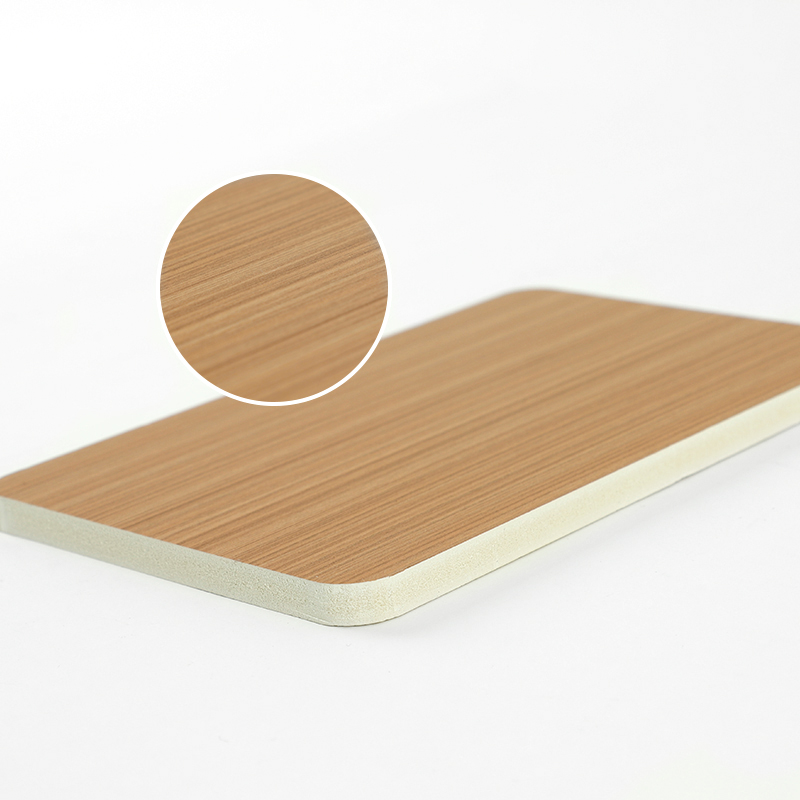
Dry Back LVT flooring offers the ultimate solution for modern corporate environments by seamlessly blending high-end design flexibility, exceptional sound absorption, and superior underfoot comfort with heavy-duty commercial durability. This specialized material allows commercial property developers, interior architects, and facility managers to replicate the authentic appearance of premium natural wood, organic stone, or abstract architectural concrete while avoiding the cost, maintenance liabilities, and acoustic drawbacks typically associated with hard surfaces. By utilizing advanced manufacturing techniques, this innovative material helps businesses establish sophisticated, highly productive environments that look outstanding and perform flawlessly for decades.
In the following comprehensive guide, we will explore the precise mechanisms, stylistic capabilities, and functional performance attributes that make this material the preferred choice for forward-thinking commercial enterprises. From analyzing its chemical composition and acoustic properties to examining its long-term cost benefits, this article provides the essential insights needed to make an informed procurement decision for your next office renovation project.
Section
Summary
Introduction to Dry Back LVT Flooring
Defines the technical composition and ecological safety profile of luxury vinyl tiles designed for glue-down installation in high-traffic corporate settings.
The Diversity of Style Shaping
Explores the vast design possibilities, realistic textures, and custom layout patterns that enable businesses to express their unique brand identity.
Enhancing the Texture and Comfort of the Space
Details how the material improves ergonomics, minimizes physical fatigue, and optimizes workplace acoustic performance through advanced sound dampening.
Durability and Low Maintenance to Ensure Long-lasting Style
Examines the engineering behind the heavy-duty wear layer, stain resistance, and simplified maintenance routines that preserve the floor's aesthetic.
Installation Advantages to Facilitate Quick Upgrades
Focuses on the precise glue-down installation method, structural stability under heavy loads, and efficient replacement of individual damaged tiles.
Comprehensive Case Demonstration and User Evaluation
Analyzes real-world performance across diverse commercial applications, including corporate conference spaces, libraries, and healthcare institutions.
Introduction to Dry Back LVT Flooring
Dry Back LVT flooring is a highly durable, glue-down luxury vinyl tile engineered from premium polyvinyl chloride resin combined with specialized stabilizing agents to deliver exceptional dimensional stability in demanding commercial environments. This specific category of resilient flooring is designed to be permanently adhered to a prepared subfloor using professional-grade acrylic adhesives. Unlike floating click systems, this installation method creates an incredibly secure, unified surface that does not shift, buckle, or telegraph movement under heavy rolling loads, making it the ideal choice for bustling corporate environments, modern healthcare institutions, and educational facilities.
To truly appreciate the performance of LVT flooring, it is valuable to explore its precise material science and structural composition. If you are new to this material, you might wonder, What does LVT mean in flooring? It stands for Luxury Vinyl Tile, a high-tech synthetic product that replicates natural materials through multi-layered engineering. At its core, this material consists of five integrated layers:
UV Coating (Top surface protection)
Wear Layer (Transparent protective barrier)
PVC Decor Film (High-definition visual design)
Middle Material Layer (Core structural support)
Bottom Layer (Adhesive backing foundation)
This sophisticated composition ensures that each tile remains completely flat, completely resistant to heavy foot traffic, and highly stable over years of continuous commercial use.
From an environmental and safety perspective, this synthetic formulation represents a significant advancement in sustainable building materials. The primary raw material, polyvinyl chloride (PVC), is combined with natural calcium carbonate fillers, eco-friendly plasticizers, and non-toxic stabilizers through a high-temperature calendering and pressing process. Because it is free from heavy metals and harmful volatile organic compounds (VOCs), this eco-friendly material meets strict indoor air quality standards. Consequently, it is widely specified for environments with strict health regulations, such as hospitals, modern kindergarten facilities, and university lecture halls, where maintaining a clean, pollutant-free indoor climate is an absolute priority.
Multi-Layer Manufacturing Sequence
Layer Structure
Process Layer
Technical Function
Top Layer
UV Coating
Top protective coating that seals microscopic pores to deliver strong scratch resistance and simplified stain cleanups.
Layer 2
Wear Layer
Clear crystalline shield that acts as a primary defense barrier against surface friction, continuous foot traffic, and abrasions.
Layer 3
PVC Decor Film
High-definition photographic design layer that captures the realistic details of premium timber or polished stone textures.
Layer 4
Middle Material Layer
High-density core layer that provides robust impact resistance, stability, and load-bearing strength against heavy indentation.
Bottom Layer
Bottom Layer
Structural foundation layer designed to achieve deep mechanical adhesion with professional adhesives on prepared subfloors.
The Diversity of Style Shaping
The design versatility of Dry Back LVT flooring allows corporate designers to achieve virtually any visual aesthetic, from classic herringbone wood patterns to sleek industrial concrete finishes, without the structural limitations of natural materials. Because the visual appearance is driven by ultra-high-definition photographic print layers, manufacturers can capture the subtle grain variations, intricate mineral knots, and organic textures found in authentic timber and stone. This allows businesses to create customized environments that perfectly align with their brand identity, whether they require a warm, welcoming traditional layout or a sharp, minimalist modern look.
When designing a professional workspace, choice of color palette, pattern, and texture plays a critical role in shaping visitor impressions and employee focus. Selecting high-quality Dry Back LVT Flooring options gives corporate architects access to a vast palette of sophisticated tones, ranging from cool charcoal grays and deep espresso oaks to warm, inviting honey-toned timbers. Additionally, because these tiles are produced in precise geometric dimensions, designers can mix and match different styles or employ advanced installation layouts like chevron, basketweave, or staggered brick configurations to define specific functional zones within an open-plan office.
Furthermore, advanced manufacturing technologies now incorporate registered embossed textures, which align the physical surface depth with the underlying visual pattern. When a user steps across a wood-look tile, they can feel the realistic ridges, micro-grooves, and grain patterns of natural timber, enhancing the overall sense of luxury. This level of visual and tactile authenticity makes it easy to create premium executive boardrooms, elegant reception areas, and upscale collaboration lounges that look indistinguishable from real wood or natural stone installations, all while enjoying the practical benefits of high-performance resilient commercial surfaces.
Visual Styling Profiles
Visual Category
Texture Application
Ideal Placement
Realistic Timber Replications
Captures authentic white oak, rich walnut, and maple species with varied grain details and natural color blending.
Executive boardrooms, private management offices, and premium corporate reception lounges.
Contemporary Stones
Delivers the clean appearance of honed limestone, premium travertine, dark slate, and raw architectural concrete.
Industrial-themed creative agencies, open-plan technology hubs, and heavy-traffic corridors.
Avant-Garde Textiles
Implements woven fabric patterns and metallic linear visuals to bring a unique, modern touch to workspaces.
Innovation design studios, trendy collaborative breakrooms, and modern corporate libraries.
Enhancing the Texture and Comfort of the Space
Dry Back LVT flooring significantly improves the overall workplace experience by providing superior underfoot cushioning and exceptional acoustic dampening properties that minimize ambient noise in busy commercial environments. In busy open-plan offices, constant activity can lead to elevated noise levels and physical fatigue, which can directly impact focus and productivity. Unlike hard, unforgiving surfaces like traditional ceramic tiles or poured concrete, this specialized vinyl formulation offers a resilient composition that absorbs mechanical impact, creating a much more comfortable environment for employees who spend long hours on their feet.
To fully appreciate these benefits, it is helpful to look closely at the product's engineering. Understanding how LVT flooring enhances workspaces involves examining its composite core structure. The material naturally possesses an inherent elasticity that cushions footsteps, reducing physical stress on employees' joints, lower backs, and legs. This ergonomic support is especially beneficial in active professional spaces such as open-plan collaboration zones, fast-paced corporate corridors, and modern fitness facilities, where staff are frequently standing, walking, or moving throughout the workday.
Acoustic control is another major advantage of this material. The solid, multi-layered vinyl structure acts as an efficient sound barrier, dampening impact noise from footsteps, rolling chairs, and dropped items. When installed with high-quality, pressure-sensitive commercial adhesives, it helps keep ambient sound transmission to a minimum. This built-in acoustic management makes it an excellent choice for quiet study rooms, corporate libraries, expansive conference halls, and wellness centers, where maintaining a focused, quiet atmosphere is essential for productivity and comfort.
Performance Evaluation
Resilient Core Attribute
Mechanical Mechanism
Practical Workspace Benefit
Impact Sound Reduction
Absorbs structural vibrations from heavy footfall and moving furniture within its multi-layered core.
Mutes distracting echoing in open-plan desks, quiet library zones, and corporate corridors.
Ergonomic Shock Absorption
Provides subtle deflection under load, returning energy smoothly to reduce stress on lower joints.
Minimizes muscle strain and lower back fatigue for workers standing for extended periods.
Reverberation Control
Limits the reflection of high-frequency sounds off the floor surface compared to ceramic or stone.
Enhances speech clarity in large team conference spaces and school classrooms.
Durability and Low Maintenance to Ensure Long-lasting Style
The heavy-duty wear layer and specialized polyurethane surface treatment of Dry Back LVT flooring provide exceptional resistance against deep scratches, localized scuffs, and daily wear, ensuring long-lasting performance in busy workspaces. In a high-traffic office, floors are continuously exposed to moving desk chairs, rolling utility carts, heavy foot traffic, and occasional spills. Traditional flooring options often require frequent polishing, deep waxing, or specialized chemical treatments to maintain their appearance. In contrast, this advanced vinyl tile is engineered to withstand these daily challenges with minimal maintenance, retaining its crisp, professional look for years.
The durability of this material is driven by its transparent crystalline wear layer, which typically ranges from 0.5mm to 0.7mm in thickness for heavy commercial applications. This tough outer layer acts as a reliable shield, protecting the high-definition design film from friction and physical abrasion. Additionally, the cross-linked polyurethane surface treatment seals the tile, preventing dirt, ink, coffee, and shoe scuffs from penetrating the surface. This creates an incredibly resilient floor that maintains its color and finish even under intense daily use.
Because the material naturally resists stains and spills, keeping the floor clean is straightforward and cost-effective. Facility maintenance teams can keep the surface looking immaculate simply by sweeping away loose debris and damp mopping with a standard neutral cleaner. There is no need for toxic stripping chemicals, heavy industrial buffers, or labor-intensive wax coatings. This ease of maintenance makes it an ideal option for demanding public spaces, including busy corporate cafeterias, healthcare waiting areas, and vibrant kindergarten classrooms, where maintaining excellent hygiene and cleanliness is essential.
Lifecycle Maintenance Comparison
Maintenance Criteria
Commercial Carpet Systems
Natural Hardwood
Dry Back LVT Flooring
Daily Upkeep
Demands extensive vacuuming; fibers quickly accumulate deep dust and allergens.
Needs delicate dry mopping and immediate attention to any surface liquid.
Standard sweep followed by a quick damp mop with neutral commercial cleaning agents.
Stain Vulnerability
Highly susceptible to permanent damage from beverage and office ink spills.
Vulnerable to lasting water marks, surface discoloration, and moisture warping.
Exceptional chemical resistance; non-porous face blocks fluid penetration.
Refinishing Cycles
Demands disruptive hot-water extraction and steam treatments annually.
Demands complex sanding, staining, and chemical resealing every few years.
Never needs industrial waxing, surface buffing, or chemical stripping.
Installation Advantages to Facilitate Quick Upgrades
The permanent glue-down installation method of Dry Back LVT flooring provides outstanding structural stability, preventing shifting or seam separation even when exposed to heavy rolling furniture or temperature fluctuations. While click-lock flooring systems are often favored for quick residential installations, they can sometimes struggle in demanding commercial settings due to potential movement at the joints. By bonding each tile directly to the prepared concrete or plywood subfloor, the glue-down method creates an incredibly solid, monolithic foundation that can easily handle heavy wheeled traffic, computer servers, and constant foot activity without any risk of lifting or buckling.
When undertaking an office renovation, choosing premium Dry Back LVT Flooring products offers clear advantages for minimizing project downtime. Because these tiles have a thin, uniform profile—typically between 2.0mm and 3.0mm—they can often be installed directly over existing hard subfloors with minimal surface prep. This slim profile eliminates the need to trim commercial doors, adjust transitions, or modify existing floor fixtures, allowing installation teams to complete projects quickly over a single weekend and ensuring the business can resume normal operations on Monday morning.
Another major operational benefit is the ease of spot repairs. In a busy commercial setting, accidents can happen—heavy equipment might scratch a section, or sharp objects can cause localized damage. With a floating or continuous roll floor, repairing a small damaged area often requires replacing large sections or dismantling entire rows. With this glue-down tile system, a maintenance technician can simply heat the single damaged tile to soften the adhesive, lift it out, clean the subfloor spot, and apply a fresh tile in its place within minutes. This simple repair process saves substantial time and money, helping facility managers keep the entire office floor looking flawless with minimal effort.
Commercial Installation Sequence
Step
Installation Action
Performance Outcome
Step 1
Subfloor Diagnostics
Check concrete subfloor for flat smoothness, clearing loose dust to secure a flat installation surface.
Step 2
Adhesive Application
Apply premium commercial-grade acrylic adhesive evenly across the subfloor using a fine-notched trowel.
Step 3
Precision Tile Setting
Position individual tiles tightly together along pre-aligned guide marks to ensure tight seams.
Step 4
Weighted Surface Rolling
Run a heavy multi-section floor roller across the layout to eliminate air pockets and lock bond strength.
Comprehensive Case Demonstration and User Evaluation
Real-world applications across corporate offices, healthcare facilities, and educational spaces demonstrate that Dry Back LVT flooring delivers an exceptional balance of stylish design, reliable performance, and long-term cost savings. Across a wide range of demanding commercial projects, facility managers, business owners, and interior designers consistently report high satisfaction with the material's durability and performance. By looking at how these floors perform in actual day-to-day settings, we can see why this versatile material has become a preferred choice for modern commercial design.
Modern businesses use large-format stone and rich wood-grain tiles to design open, fluid floor plans. These layouts look highly professional while successfully dampening the sound of footsteps and rolling office chairs in busy meeting spaces. Large educational institutions install this material to handle heavy daily foot traffic. It creates a quiet, focused environment by absorbing impact noise, allowing students to study without distraction. Hospitals and outpatient clinics choose this flooring for its smooth, hygienic surface and excellent chemical resistance. It stands up well to frequent sanitization routines while providing a comfortable surface for medical staff on long shifts. Finally, primary schools select these eco-friendly, non-toxic materials to create warm, inviting spaces. They provide a safe environment with excellent underfoot cushioning for children's daily activities.
Feedback from long-term commercial users highlights the clear financial and operational advantages of this material. Facility managers frequently note a significant reduction in ongoing maintenance costs compared to carpet or natural hardwood, as the floors remain pristine without the need for expensive waxing, deep buffing, or specialized cleaning treatments. This combination of reliable daily durability, excellent acoustic control, and timeless style demonstrates that investing in this flooring option is a smart, forward-looking choice for any commercial property upgrade.
Five-Year Performance Audits
Commercial Sector
Daily Foot Traffic
Documented User Feedback
Corporate Head offices
Intense (Hundreds of employees moving daily)
Retained vibrant design clarity; zero seam separating seen near rolling desk chairs.
University Libraries
High Continuous (Heavy student footfall)
Drastically cut down walking echo, providing a quiet background environment.
Medical Clinics
Severe (Heavy wheeled beds and chemical cleaning)
Withstood aggressive medical sanitization without surface dulling or staining.
Early Learning Centers
High Impact (Active children playing daily)
Provided great cushion performance while offering an easy-to-clean hygienic surface.