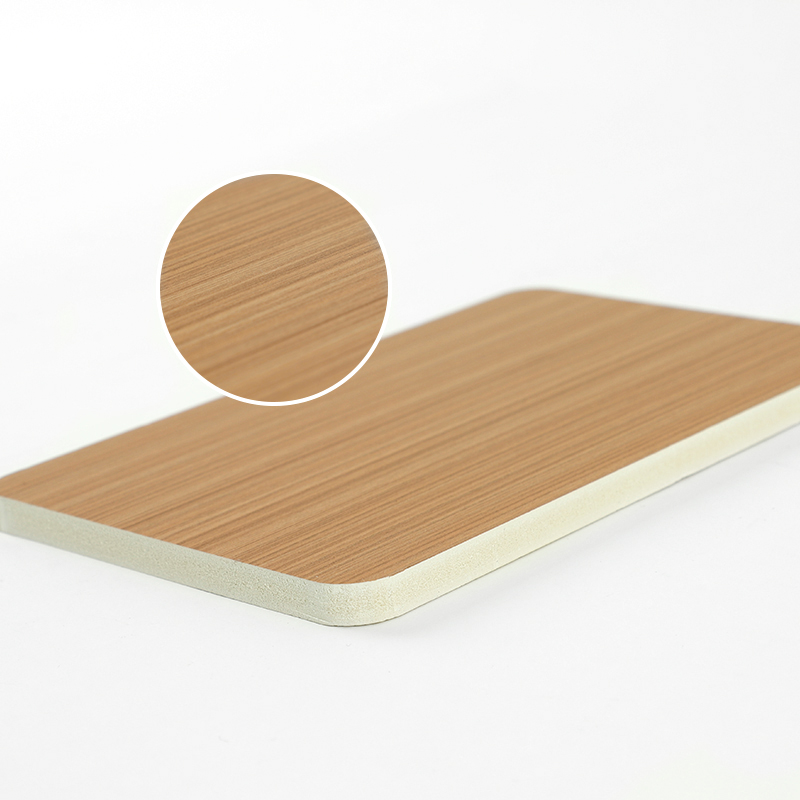
LVT click flooring is an advanced multi-layered resilient floor covering made primarily from premium polyvinyl chloride compounds and engineered with an integrated click-lock joint system that allows individual tiles to interlock seamlessly without adhesives.
Understanding the precise engineering, composition, and specific architectural performance properties of this material is essential for making an informed purchasing decision. This comprehensive guide will explore the structural composition of this innovative product, analyze its core operational advantages, compare it directly to alternative materials, and provide practical advice for selecting the perfect specification for your property layout. By exploring the detailed breakdowns below, buyers can fully understand how this high-performance flooring material maximizes long-term investment value.
What exactly is LVT click flooring?
LVT click flooring is a high-performance modular resilient surface made from polyvinyl chloride resins mixed with specific plasticizers, stabilizers, and mineral fillers, engineered with an integrated interlocking joint system for adhesive-free floating installation.
To properly evaluate this modern architectural material, it is important to understand its manufacturing composition and advanced physical layer architecture. This material is primarily a high-quality plastic floor covering. It is manufactured utilizing premium polyvinyl chloride as the primary raw material, which is subsequently combined with specialized mineral fillers, plasticizers, chemical stabilizers, and advanced coloring agents during the formulation process. These blended components are fused together on a continuous sheet substrate using high-precision coating techniques or advanced thermal calendering processes. The result is a highly stable, eco-friendly material that complies with rigorous environmental safety standards, making LVT flooring an incredibly popular choice for public infrastructures such as healthcare facilities, modern hospitals, and early childhood kindergartens.
The structural profile of a premium click tile is composed of multiple distinct layers engineered to serve specific functional purposes. The base layer provides foundational weight and structural balance, preventing the material from warping under temperature variations. Above the base lies the highly stable vinyl core, which provides the necessary density to house the precision-milled interlocking click profiles along the edges. Placed directly over this core is the high-definition photographic print layer, which utilizes advanced digital imaging to replicate the authentic grain patterns of natural timber, polished concrete, or premium natural slate with incredible accuracy.
Protecting this visual print layer is the transparent wear layer, which is typically enhanced with a cured polyurethane treatment. This outer barrier shields the underlying design from continuous physical abrasion, scuffs, and deep scratches. The identifying characteristic of this specific product category is the milling of interlocking joints directly into the core material. This mechanism allows adjacent panels to click together effortlessly, establishing a tight, uniform surface tension across the entire subfloor without needing any liquid glues or heavy fasteners. To fully appreciate this innovative design, it is helpful to explore the foundational question: What does LVT mean in flooring, which highlights its historical evolution from basic sheet vinyl into a premium, structurally stable architectural masterpiece.
Key benefits of LVT click flooring for modern homes
The primary benefits of LVT click flooring include its exceptional sound absorption properties, comfortable and warm underfoot feel, rapid adhesive-free installation, outstanding durability against heavy traffic, and eco-friendly composition.
1. Exceptional Acoustic Insulation and Sound Absorption
One of the most valuable selling points of this material is its superior sound absorption performance, which makes it ideal for quiet zones and large open spaces. In environments like busy public libraries, corporate conference rooms, and commercial fitness centers, minimizing ambient noise and footfall echo is crucial for productivity and focus. The dense, multi-layered polyvinyl chloride structure acts as a natural sound dampener, significantly reducing horizontal sound transmission and vertical impact noise between different building levels. This excellent acoustic performance creates a peaceful indoor environment, which is why architects consistently specify this material for healthcare facilities, hospital corridors, and educational kindergartens where noise control is critical.
Unlike rigid ceramic tile or natural stone, which can feel cold and cause joint fatigue over long periods, this resilient synthetic material delivers a noticeably soft and comfortable underfoot feel. The specialized plasticizers and stabilizers blended within the vinyl core give the planks a subtle flexibility, allowing them to absorb the impact of continuous walking. This ergonomic flexibility is highly beneficial in spaces where people stand for long intervals, such as professional dance studios, commercial training centers, and busy corporate offices. Additionally, the material retains ambient indoor temperatures effectively, ensuring the surface remains warm and comfortable to walk on even during colder seasons.
3. Rapid Floating Installation Without Adhesives
The advanced mechanical click-lock joint system eliminates the need for messy liquid glues, tack strips, or heavy flooring staplers during the setup process. This simplified click mechanism means individual tiles can be joined together quickly over a flat subfloor, drastically reducing project timelines and minimizing labor expenses. Because the installation functions as a free-floating floor system, the workspace remains free of chemical fumes, allowing property owners to use the space immediately after the project is complete.
4. Certified Environmental Safety and Material Hygiene
Because it is manufactured using modern formulation methods, high-grade luxury vinyl tile is recognized as an eco-friendly material that supports healthy indoor air quality. Premium production lines eliminate hazardous volatile organic compounds and heavy metal stabilizers from the formulation process entirely. This non-toxic construction satisfies strict global emission criteria, making it a reliable choice for sensitive environments. As a result, educational facilities, public kindergartens, and clinical hospital wards routinely rely on this material to safeguard the health of children and patients. Interested buyers looking for high-quality, eco-certified options can explore a wide variety of certified designs by browsing premium LVT Click Flooring options tailored for modern architectural spaces.
Click LVT vs glue-down LVT, laminate and tile
Click LVT outperforms glue-down vinyl, laminate, and ceramic tile by combining completely adhesive-free floating installation with superior sound absorption and a highly cushioned, ergonomic underfoot feel.
Material Option | Installation Method | Underfoot Comfort | Acoustic Performance | Structural Thickness |
Click LVT flooring | Mechanical Interlocking Joint (Floating) | High Flexibility and Warmth | Excellent Sound Absorption | 4.0mm to 6.5mm |
Glue-Down LVT | Permanent Liquid Adhesive Application | Moderate Flexibility | Moderate Dampening | 2.0mm to 3.0mm |
Traditional Wood Laminate | Click-Lock System (Floating) | Rigid and Loud | High Echo and Clicking | 7.0mm to 12.0mm |
Ceramic / Porcelain Tile | Cement Mortar and Grout Lines | Extremely Hard and Cold | Poor (Reflects Sound) | 8.0mm to 12.0mm |
When evaluating these surface materials, the difference in underfoot comfort and acoustic control becomes very apparent. Traditional wood laminate flooring is manufactured using a dense wood-fiber core, which tends to amplify the sound of footsteps, creating an annoying clicking noise unless a high-end acoustic underlayment is used. Ceramic and porcelain tiles are completely rigid, reflecting ambient sound waves around a room and contributing to loud echoes in open-concept environments like public fitness centers or spacious libraries. In comparison, click luxury vinyl tiles absorb impact energy, keeping ambient sound levels low while providing a cushioned surface that minimizes fatigue for active occupants.
The installation and subfloor preparation requirements also differ significantly across these four product options. Glue-down vinyl tiles require an absolutely perfect subfloor, as any small imperfections or bumps will eventually telegraph through the thin material. Applying liquid adhesives also requires precision, and any mistakes can lead to gapping or curling edges over time. Ceramic tile installation is a slow, messy process involving wet mortar, precise spacers, and grout lines that must be sealed and cleaned regularly. Click vinyl tiles solve these challenges by using a thicker profile that bridges minor subfloor imperfections, combined with a secure mechanical lock that holds the planks tight without needing chemical glues.
From a long-term maintenance and structural perspective, click vinyl tiles offer distinct operational advantages over both wood laminate and ceramic tile. If a section of a ceramic floor cracks from a heavy impact, replacing that single tile requires chiseling out mortar and matching old grout lines, which can be incredibly tedious. If a wood laminate surface gets damaged, the interlocking boards can swell or separate along the edges, often requiring large sections of the floor to be torn up. With a floating click vinyl installation, if an individual plank is ever deeply scratched or damaged, the interlocking joints can simply be unclicked, allowing for quick replacement of the single damaged board without disrupting the rest of the layout.
What to Look For When Buying LVT flooring for your Home
When buying LVT flooring, you must carefully evaluate the thickness of the transparent wear layer, the structural composition of the core material, the realism of the design print, and the acoustic rating of the planks.
1. Specifying the Correct Wear Layer Thickness for Traffic Loads
The wear layer is the clear protective coating applied on top of the photographic print layer, and it determines how well the floor resists long-term scratching and abrasion. For standard residential areas with moderate activity, a wear layer thickness of 0.3mm is generally sufficient to protect the design. However, for high-traffic environments like busy public libraries, commercial conference spaces, dance schools, or fitness centers, a heavy-duty wear layer of 0.5mm or 0.7mm is highly recommended. Choosing a thicker commercial-grade wear layer ensures the floor maintains its pristine visual appearance and resists scuffs under heavy foot traffic.
2. Evaluating Core Materials and Rigid Structural Options
Buyers must choose between standard flexible cores and rigid core variations, such as Stone Plastic Composite or Wood Plastic Composite options. Standard flexible click options work wonderfully in spaces where maximum underfoot cushioning and acoustic sound dampening are the top priorities, such as yoga studios, infant kindergartens, and quiet healthcare spaces. Rigid core options offer exceptional structural stability and can span across wider subfloor areas without expanding or contracting, making them an excellent choice for large commercial facilities with fluctuating indoor temperatures.
3. Assessing Visual Design Realism and Surface Textures
The visual quality of the print layer varies significantly depending on the manufacturing technology used. High-end options feature advanced high-definition digital printing with deep color depth and minimal pattern repetition across the planks. Additionally, buyers should look for advanced finishing techniques like Emboured in Register textures. This technique aligns the physical surface texture perfectly with the underlying photographic wood grain or stone pattern, providing a realistic feel that closely mimics authentic natural materials.
To ensure excellent sound control in multi-level structures or open-plan designs, it is important to review the acoustic test ratings of the flooring system. Many high-quality click tiles are manufactured with a soft underlayment pre-attached to the bottom of each plank, using materials like high-density foam or natural cork. This built-in underlayment simplifies the installation process and enhances the floor's sound absorption capabilities, making it easy to create a quiet, comfortable indoor space.
How easy is it to install LVT click flooring?
Installing LVT click flooring is exceptionally straightforward because the mechanical locking profiles allow the tiles to snap together seamlessly without any specialized tools, liquid adhesives, or permanent fasteners.
The layout blueprint and installation sequence follow a clear, highly structured system designed to achieve structural uniformity across the entire subfloor surface.
Sequence Step | Process Action | Crucial Technical Prerequisite |
Step 1: Preparation | Clean, patch, and level the subfloor layer. | Subfloor flatness variation must be less than 2mm. |
Step 2: Acclimation | Store raw planks inside the designated installation room. | Leave planks unopened in box for at least 48 hours. |
Step 3: Perimeter Setup | Place specific spacer blocks against all base walls. | Establish a standard expansion gap of 8mm to 10mm. |
Step 4: Click Assembly | Angle tongue into groove profile and lock flat. | Stagger all row end joints by at least six inches. |
Step 5: Trim Customization | Score the decorative wear layer and snap downward. | Use a heavy-duty utility knife and straight metal ruler. |
Every phase of the step-by-step workflow detailed above ensures a reliable, professional installation. This simplified approach allows project teams to bypass traditional, messy adhesive steps, keeping commercial layout schedules moving quickly and ensuring immediate usability of the finished space.
How do you look after LVT click flooring, and how long will it last?
Maintaining LVT click flooring requires only regular sweeping and light damp mopping to remove dust, and a high-quality installation can easily last between fifteen and thirty years depending on usage.
1. Routine Cleaning and Dust Removal Protocols
Keeping this resilient surface looking its best requires very little effort or specialized equipment. Daily maintenance simply involves sweeping the floor with a soft-bristled broom or using a hard-surface vacuum setting to remove loose dirt, dust, and debris. This simple routine prevents fine grit from building up on the surface, where it could act as an abrasive and dull the protective wear layer over time. For weekly cleaning, a light damp mopping with a neutral pH vinyl cleaner is all that is needed to lift minor smudges and restore the surface's clean appearance.
2. Protecting the Surface from Physical Scratches and Dents
While the polyurethane-coated wear layer provides excellent protection against everyday wear, taking a few preventive steps can help extend the life of the floor. Placing soft felt protector pads under the legs of heavy furniture, tables, and desk chairs prevents deep scratches and pressure marks when items are moved. In high-traffic entryways of public buildings, libraries, or fitness centers, installing high-quality walk-off mats helps catch incoming dirt, sand, and moisture before it reaches the main floor. When moving heavy equipment, placing protective plywood sheets over the floor prevents accidental gouging.
3. Understanding Longevity Factors and Commercial Structural Lifespan
The useful lifespan of a click luxury vinyl installation depends on the wear layer thickness chosen and the amount of daily foot traffic it handles. In standard residential environments, a premium floor can easily last up to thirty years while maintaining its structural integrity and beautiful appearance. In busy commercial spaces like hospitals, dance studios, and kindergartens, a commercial-grade floor will perform beautifully for fifteen to twenty years. The durability of the synthetic core ensures that the locking joints remain tight and secure, preventing gaps from opening up even after years of continuous use.
Conclusion
LVT click flooring is an exceptional modern surfacing choice, combining durable polyvinyl chloride construction, beautiful natural designs, superior sound absorption, and an easy adhesive-free installation.
In conclusion, this advanced material represents a major milestone in the development of resilient architectural finishes. By combining the realistic look of natural wood or stone with the practical benefits of high-grade synthetic materials, it delivers a high-performance solution that meets the needs of both modern homes and busy commercial spaces. Its specialized formulation ensures excellent dimensional stability, while its certified eco-friendly properties make it a safe, healthy choice for sensitive environments like hospitals, public libraries, and early childhood kindergartens.
The outstanding underfoot comfort and acoustic sound dampening properties set this flooring apart from traditional hard surfaces like wood laminate or ceramic tile. It creates a quiet, comfortable indoor environment that reduces fatigue and minimizes ambient echo, making spaces more enjoyable to live and work in. Property owners can learn more about how these innovative materials are designed and manufactured by exploring informative technical guides like What does LVT mean in flooring, which explain the advanced engineering behind these versatile products.
Ultimately, investing in this mechanical click flooring system provides excellent long-term value, keeping maintenance costs low while standing up beautifully to years of heavy foot traffic. Whether you are updating a commercial office, setting up a new professional dance studio, or remodeling a modern home, this material offers a smart balance of style, durability, and ease of installation. For those ready to choose a dependable, high-quality flooring solution, exploring premium LVT Click Flooring options is a wonderful way to find the perfect fit for your next interior project.