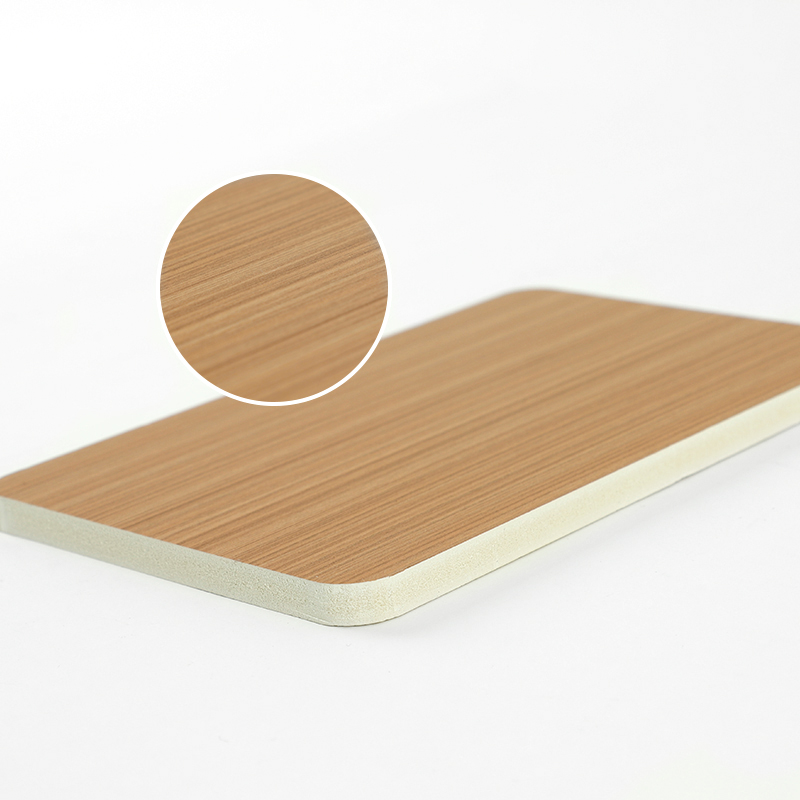
The debate between Loose Lay Flooring and glue-down vinyl flooring is a cornerstone of modern interior design and facility management. While both options offer the aesthetic appeal of natural wood or stone through high-definition printing technology, they serve vastly different functional purposes. Selecting the right one depends on your specific environment, whether it is a high-traffic commercial lobby or a temporary residential renovation.
Loose lay vinyl is characterized by its heavy weight and specialized non-slip backing, which allows it to stay in place using gravity and friction alone. In contrast, glue-down flooring relies on a full-spread adhesive to create a permanent bond with the subfloor. This fundamental difference in installation impacts everything from long-term durability and sound absorption to the ease of future repairs.
You would choose Loose Lay Flooring when you need a fast, DIY-friendly installation that allows for easy individual plank replacement, whereas Glue Down Vinyl is superior for high-traffic commercial spaces requiring maximum stability under heavy rolling loads.
In the following sections, we will dive deep into the technical specifications, performance metrics, and ideal application scenarios for both methods. By analyzing the structural benefits of products like 6-36 Loose Lay LVT Vinly Plank Flooring, you will gain a comprehensive understanding of which system aligns with your project goals.
Article Navigation
Section
Summary
The Mechanics of Loose Lay Flooring
An overview of how friction and weight eliminate the need for permanent adhesives.
Key Advantages of Loose Lay vs. Glue Down
A comparative look at installation speed, maintenance, and long-term flexibility.
Ideal Application Scenarios
Identifying the best environments for each flooring type based on traffic and usage.
Technical Specifications and Durability
Understanding wear layers, thickness, and material composition for performance.
Installation and Subfloor Requirements
Practical guidelines for preparing your space for a successful flooring rollout.
Maintenance and Repair Comparison
How to keep your floors looking pristine with minimal effort over the years.
Cost Analysis and Long-term Value
Evaluating initial investment versus lifetime maintenance and replacement costs.
The Mechanics of Loose Lay Flooring
Loose Lay Flooring is an innovative installation method where heavy, multi-layered vinyl planks are held in place by their own weight and a specialized non-slip backing rather than permanent glue or interlocking clicks.
Unlike traditional luxury vinyl tile (LVT) that requires a complex click-lock system or messy adhesives, loose lay products utilize a high-friction backing—often made of fiberglass or textured PVC—that "grips" the subfloor. This creates a stable surface that resists horizontal movement while remaining vertically removable. For instance, high-quality Loose Lay Flooring is designed with a specific thickness (often 5.0mm or more) to provide the necessary weight for this "friction-grip" technology to function effectively.
The structural integrity of these planks comes from a multi-layer construction. The surface features a high-definition wear layer that mimics natural textures, while the core provides stability and elasticity. The bottom layer is the most critical component, featuring anti-slip properties that ensure the floor adheres firmly to the ground under normal foot traffic. This makes it an ideal "floating" solution that doesn't actually float in the traditional sense but stays anchored through physics.
Key Advantages of Loose Lay vs. Glue Down
The primary advantage of Loose Lay Flooring over glue-down alternatives is its unparalleled ease of installation and the ability to replace individual damaged planks without disturbing the surrounding floor.
1. Speed of Installation
Loose lay systems can be installed significantly faster than glue-down floors because there is no need to wait for adhesives to cure. This is a critical factor for businesses that cannot afford long periods of downtime. You simply prep the subfloor and lay the planks. In residential settings, a standard room can often be completed in a few hours rather than days.
2. Superior Sound Absorption
Because loose lay planks are typically thicker (around 5mm) and feature a cushioned backing, they offer excellent sound reduction. Glue-down vinyl is thinner and attached directly to the subfloor, which can lead to a "harder" feel and more noise transmission. For multi-story buildings, the acoustic benefits of loose lay are a significant selling point.
3. Effortless Repair and Reusability
If a plank is stained or gouged, you can simply lift it out and drop in a new one. With glue-down flooring, removing a single plank involves heat guns to melt the adhesive and often results in damage to adjacent planks. Furthermore, loose lay flooring is "portable," meaning it can be removed and reinstalled in a different location, making it perfect for temporary office spaces or exhibitions.
Ideal Application Scenarios
You should choose Loose Lay Flooring for residential renovations, temporary commercial spaces, and environments where sound dampening is a priority, while Glue Down is reserved for permanent high-traffic zones with heavy rolling loads.
1. Residential Use
For homeowners looking for a DIY project, 6-36 Loose Lay LVT Vinly Plank Flooring provides a high-end look without the complexity of professional installation. It is particularly effective in basements or rooms where the subfloor might have minor imperfections that a glue-down floor would telegraph.
2. Commercial and Public Areas
In offices, retail shops, and schools, the durability of the wear layer is paramount. Loose lay is excellent for these areas because it can handle heavy foot traffic while allowing for quick access to underfloor wiring or utilities. However, in areas with heavy rolling equipment (like hospital gurneys or warehouse forklifts), the permanent bond of a glue-down floor is generally preferred to prevent any potential shifting.
3. Moisture-Prone Environments
Both types are waterproof, but they handle moisture differently. Glue-down vinyl creates a sealed barrier that prevents water from seeping into the subfloor. Loose lay, while waterproof itself, has seams that are not hermetically sealed. Therefore, glue-down is often the safer choice for high-moisture areas like public restrooms.
Technical Specifications and Durability
High-quality Loose Lay Flooring features a thick wear layer (often 12-20 mil) and a total thickness of 5.0mm to 7.0mm, ensuring it can withstand daily abrasion and maintain structural stability.
Feature
Loose Lay Flooring
Glue Down Vinyl
Typical Thickness
5.0mm - 7.0mm
2.0mm - 3.0mm
Wear Layer
12 mil - 28 mil
6 mil - 20 mil
Installation
Friction / Gravity
Full Spread Adhesive
Replacement
Lift and Replace
Heat and Scrape
Subfloor Req.
Flat, Hard, Dry
Extremely Smooth / Level
The durability of products like Loose Lay LVT is reinforced by a high-strength wear-resistant layer that protects against scratches and dents. Many of these products are also UV-treated to resist fading from sunlight, ensuring long-lasting color vibrancy in bright rooms.
Installation and Subfloor Requirements
Successful installation of Loose Lay Flooring requires a subfloor that is clean, dry, and level within a 1/8-inch tolerance over 6 feet, as imperfections can eventually "telegraph" through the material.
1. Acclimatization
Before installation, the flooring must acclimate to the room temperature (typically 18-25°C) for at least 48 hours. This prevents the planks from expanding or contracting significantly after they have been laid, which could cause gaps or buckling.
2. Subfloor Preparation
While loose lay is more forgiving than glue-down, the subfloor must still be free of dust, wax, and oils. Any major depressions or holes should be filled with a Portland cement-based patch. If you are installing over existing ceramic tile, the grout lines should be leveled to ensure a smooth transition.
3. Perimeter Security
In large rooms or high-traffic commercial settings, many professionals recommend applying a 4-inch strip of pressure-sensitive adhesive or double-sided tape around the perimeter of the room. This adds an extra layer of security to ensure the "grid" of planks remains tight against the walls and fixed cabinets.
Maintenance and Repair Comparison
Maintaining Loose Lay Flooring is remarkably simple, requiring only regular sweeping and occasional damp mopping with a pH-neutral cleaner to keep the surface looking new.
One of the standout features of loose lay technology is its resistance to staining. Because the surface is non-porous, spills can be easily wiped away. If a particular area experiences heavy wear, the "lift and replace" capability of Loose Lay Flooring means your maintenance costs are lowered over time.
In contrast, glue-down floors require more intensive labor for repairs. If a plank is damaged, the surrounding area must be protected while the old plank is painstakingly removed. The subfloor then needs to be cleaned of old adhesive before a new piece can be bonded. For property managers, the time saved in repairing loose lay planks translates directly to lower operational expenses.
Cost Analysis and Long-term Value
While the initial material cost of Loose Lay Flooring is often higher than thin glue-down vinyl, the significantly lower installation labor and maintenance costs provide a superior long-term ROI.
When evaluating the total cost of ownership, you must consider:
Material Cost: Glue-down planks are generally cheaper per square foot because they are thinner.
Labor Cost: Loose lay is much cheaper to install professionally and is a viable DIY option, saving hundreds or thousands in labor.
Adhesive Costs: Glue-down requires high-quality adhesives and specialized tools (trowels, rollers), adding to the budget.
Replacement Lifecycle: The ability to move loose lay flooring to a new location or replace single planks extends its usable life far beyond a permanent glue-down installation.
Conclusion
Choosing between loose lay and glue-down vinyl flooring is a matter of balancing immediate needs with long-term goals. If your priority is a quick, quiet, and easily repairable floor that you can install yourself, Loose Lay Flooring is the clear winner. Its advanced material composition and high-friction backing provide a stable, luxurious finish that is perfect for modern homes and flexible office environments.
However, for permanent installations in areas subjected to extreme traffic or heavy rolling loads, the absolute bond of a glue-down system remains the industry standard. By understanding these differences and following proper installation guidelines for products like the 6-36 Loose Lay LVT Vinly Plank Flooring, you can ensure a beautiful, functional, and durable floor for years to come.