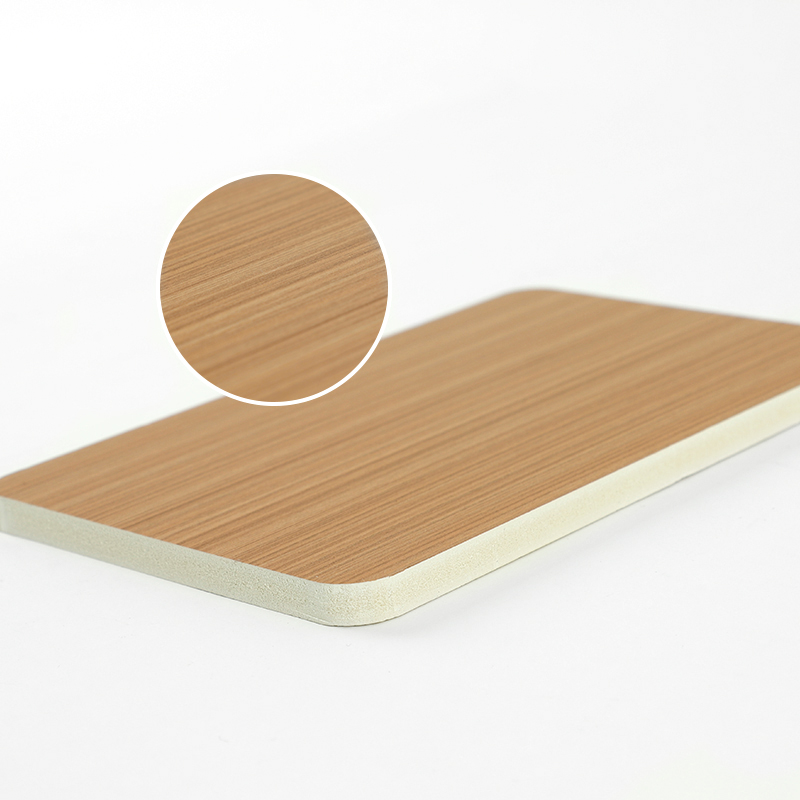
Home renovations rarely go exactly as planned. Budgets shift, timelines get tight, and every choice needs to deliver maximum impact with minimum risk. That’s why Vinyl Roll Flooring—especially the sheet vinyl flooring roll format—has become a go-to solution for homeowners who want a clean, modern look without turning the project into a long, expensive construction site.
Unlike click-lock planks that rely on multiple joints or tile systems that require endless grout lines, a sheet vinyl flooring roll is designed to cover a space in broad, continuous spans. The result is a floor that feels unified, easier to clean, and often more forgiving for real-life messes. If your renovation goal is “better-looking, more practical, and faster to finish,” this category deserves a serious look.
What Is a Sheet Vinyl Flooring Roll?
A sheet vinyl flooring roll is a resilient floor covering manufactured in large, flexible sheets and delivered as a roll. Instead of assembling many small pieces, the installer cuts the sheet to fit the room and secures it along the perimeter or with full-spread adhesive, depending on the product and space.
In practical terms, Vinyl Roll Flooring is about coverage. You’re using large sections to create a near “wall-to-wall” surface, which can mean fewer seams and less opportunity for spills to creep into gaps. That’s a major reason it’s frequently chosen for moisture-prone rooms and high-traffic family areas.
Sheet Vinyl vs Planks vs Tiles: What’s the Difference?
When homeowners compare options, the confusion usually comes from how vinyl is packaged. Here’s a clear way to think about it:
Sheet vinyl flooring roll: Large, continuous sheet coverage; fewer seams; often easier to clean and wipe down.
Luxury vinyl planks (LVP): Many individual boards that mimic hardwood; great for floating installs; more joints overall.
Vinyl tiles (LVT): Modular squares/rectangles; strong design flexibility; more seams than a roll format.
If your renovation priority is moisture defense and fast, room-wide transformation, Vinyl Roll Flooring often rises to the top because it minimizes the “many-piece” problem.
Why Fewer Seams Matter in Real Homes
Seams are where daily life tries to defeat your flooring. A sheet vinyl flooring roll can reduce the number of seams simply because it covers more area at once.
Less seam exposure typically means:
Spills are easier to wipe up before they find a pathway downward.
Cleaning takes less effort because there are fewer edges to trap grime.
The finished floor looks more continuous and “built-in,” especially in smaller rooms.
Important note: Some products are marketed as “waterproof,” while others are “water-resistant.” The roll format helps reduce entry points, but long-term performance still depends on correct installation, edge finishing, and moisture conditions beneath the floor.
Durability That Works for Kids, Pets, and Daily Traffic
Home renovations aren’t just about aesthetics. Floors take the hit—chairs slide, toys drop, pets run, groceries drag, and life happens. Modern Vinyl Roll Flooring is built with protective wear layers that help resist everyday scuffs and stains.
For busy households, a sheet vinyl flooring roll is often chosen because it balances:
Scratch and scuff resistance for normal foot traffic
Stain resistance for spills and messy cooking
Easy upkeep that doesn’t require special cleaners
When comparing products, don’t just choose by pattern. Look for clear wear-layer specifications, realistic warranty terms, and application ratings that match your room’s usage.
Comfort Underfoot: Softer, Warmer, Quieter
A renovation should feel good, not just look good. One of the underrated benefits of Vinyl Roll Flooring is comfort. Compared with ceramic tile or stone, sheet vinyl can feel warmer and more forgiving underfoot—especially when you’re standing in the kitchen preparing meals or stepping out of the shower.
Homeowners often notice improvements in:
Warmth: Less “cold shock” than tile in bathrooms or basements.
Quietness: Reduced footstep noise compared with harder surfaces.
Cushion: A slightly softer feel that’s kinder during long periods of standing.
This is why a sheet vinyl flooring roll is commonly recommended for basements, laundry rooms, and family spaces where comfort matters as much as appearance.
Design Flexibility: Wood and Stone Looks Without the Stress
Today’s Vinyl Roll Flooring has moved far beyond the “old vinyl” stereotypes. Modern printing and embossing techniques create convincing textures, patterns, and visuals—often inspired by wood grains, concrete finishes, and stone tiles.
For renovations, design flexibility helps you match the rest of the home without redoing everything. You can use a sheet vinyl flooring roll to:
Create a cohesive “wood look” from hallway to laundry room
Bring a clean, modern tile appearance into a bathroom without grout maintenance
Match warm neutrals or cool grays to your paint, cabinets, and fixtures
Tip: If your room is small, a subtle pattern with gentle texture can make the floor look more “built-in” and less busy. In large rooms, a stronger visual can add character without adding renovation complexity.
Installation Overview: The Renovation Detail That Makes or Breaks the Result
If you want a smooth, premium-looking finish, treat subfloor prep like it’s part of the flooring itself—because it is. Vinyl Roll Flooring is flexible, which means it can reveal bumps, dips, or debris underneath if the surface isn’t properly prepared.
Key installation points to understand:
Subfloor must be clean, dry, and smooth: Any imperfections can “telegraph” through the sheet over time.
Seam planning matters: In rooms that require multiple sections, seam placement should avoid heavy-water splash zones when possible.
Perimeter sealing and transitions: Proper edges help keep moisture and dirt from creeping under the flooring.
Adhesive vs loose-lay: Product type and room usage determine the best approach; high-traffic or large rooms often need more secure methods.
DIY can work for straightforward rooms, but professional installation is often worth it when the space is large, the layout is complex, or the subfloor needs leveling. The goal is not just “installed,” but installed in a way that looks flat, finished, and long-lasting.
Maintenance Made Simple: Keeping Vinyl Roll Flooring Looking New
One reason homeowners love Vinyl Roll Flooring is that it doesn’t demand complicated routines. If you’re renovating for lifestyle convenience, this is a major advantage.
Easy care basics:
Sweep or vacuum regularly to remove grit that can dull the surface.
Damp mop with a gentle cleaner suitable for resilient floors.
Wipe spills quickly—especially colored liquids like wine, sauces, or hair dye.
Use felt pads under furniture and avoid dragging heavy items across the floor.
In high-use areas, a simple doormat strategy (outside + inside) can dramatically reduce tracked-in dirt and keep your sheet vinyl flooring roll looking sharp.
Trade-Offs to Know Before You Buy (and How to Minimize Them)
No flooring is perfect. The key is choosing the right material for the right room—and reducing the common pain points.
Repairs can be less “invisible”
If a sharp object cuts the floor or a heavy impact damages a section, repairs may be noticeable. In some cases, patching can leave visible seams. To reduce risk, place protective pads under furniture, avoid sharp casters, and keep heavy appliances on proper sliders during moves.
Subfloor flaws can show
Because Vinyl Roll Flooring is flexible, it needs a smooth base. If your renovation includes older subfloors, budget time for leveling and patching. This single step can be the difference between a floor that looks “professional” and one that looks “temporary.”
Heat and heavy loads need attention
Very high heat exposure or concentrated loads (like narrow furniture legs) can cause issues over time. Use furniture cups, keep hot appliances properly insulated, and follow manufacturer guidelines for safe use.
Buying Checklist: How to Choose the Right Sheet Vinyl Flooring Roll
When you’re renovating, it’s tempting to choose purely by pattern. Instead, use a checklist that matches real performance to your lifestyle.
Wear layer and durability rating: Choose higher protection for kitchens, mudrooms, and active family spaces.
Thickness and backing: Thicker constructions may feel more comfortable and help with minor subfloor irregularities (but do not replace proper prep).
Slip resistance: Especially important in bathrooms and laundry rooms.
Room suitability: Confirm it’s rated for the space.
Indoor air quality: Look for low-emission options if your renovation includes enclosed spaces or sensitive households.
Seam requirements: Ask how many seams your room will need, and where they will be placed.
A smart buying approach is to treat the sheet vinyl flooring roll like a system: product + subfloor prep + correct installation method. That combination is what delivers long-term satisfaction.
FAQ: Sheet Vinyl Flooring Roll for Home Renovations
How long does Vinyl Roll Flooring last?
Lifespan depends on wear layer, traffic level, and maintenance. In many homes, a quality Vinyl Roll Flooring installation can last for years as a practical, attractive surface—especially when grit is controlled and furniture is protected.
Can I install a sheet vinyl flooring roll over concrete?
Yes, it’s common in basements and ground floors. The key is moisture control and a smooth surface. Concrete may need leveling, patching, and proper preparation before installation.
What’s the best way to make sheet vinyl look more “high-end”?
Prioritize subfloor smoothness, choose realistic patterns with balanced texture, and use clean transitions and trim details. A perfectly flat installation with thoughtful edges makes a bigger difference than many homeowners expect.
Final Thoughts: Why Vinyl Roll Flooring Fits Modern Renovation Goals
Home renovations succeed when materials match real life. A sheet vinyl flooring roll offers a combination that’s hard to ignore: fewer seams, easy maintenance, comfortable underfoot performance, and modern design options that can elevate a space quickly. If you’re aiming for a renovation that looks clean, feels practical, and stays within budget, Vinyl Roll Flooring is popular for a reason—because it makes everyday living easier while keeping the project manageable.