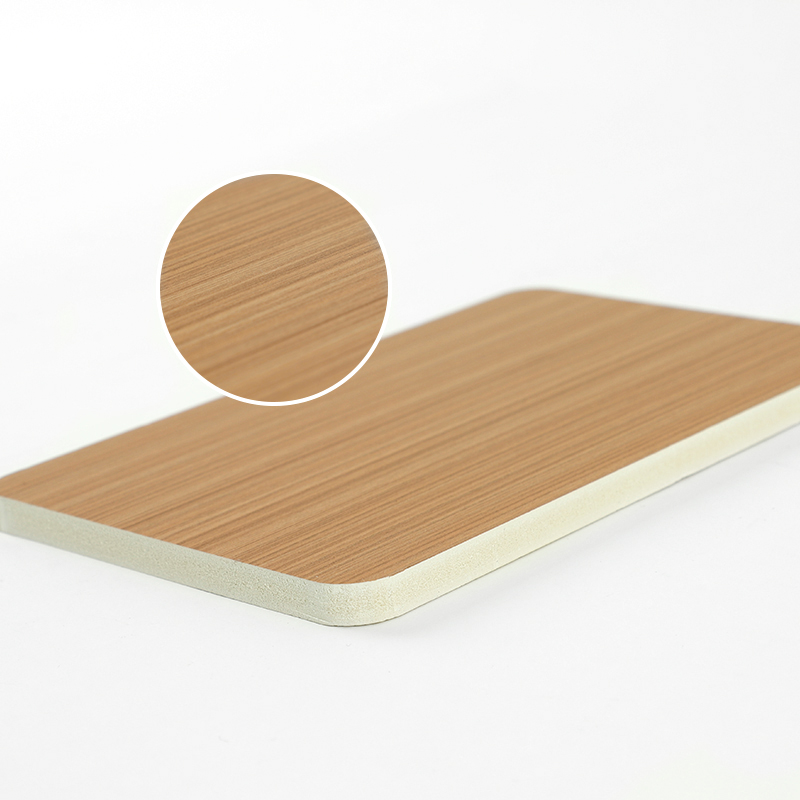
Modern healthcare facility design is a complex balancing act between aesthetic appeal, patient comfort, and the stringent requirements of clinical hygiene. As architects and facility managers look for sustainable and cost-effective solutions for interior surfaces, they often encounter questions regarding the suitability of various materials in sterile environments. The clinical setting demands surfaces that are not only durable enough to withstand the high-traffic demands of a 24/7 environment but also easy to sanitize to prevent the spread of healthcare-associated infections.
Yes, you can absolutely use high-quality PVC materials, specifically specialized PVC wall panels, in a hospital setting. When selected for their antimicrobial properties and seamless installation capabilities, these materials serve as a highly effective solution for wall protection and interior cladding in high-traffic clinical areas.
This article explores why healthcare decision-makers are shifting toward engineered surfaces to improve hospital interiors. We will examine the functional advantages, the importance of long-term durability, and how these materials contribute to a healthier, more productive healing environment for both patients and medical staff.
Table of Contents
Section | Summary |
Suitability for Clinical Environments | Discusses why PVC is a preferred material for high-traffic, sterile healthcare settings. |
Key Benefits for Hospitals | Highlights durability, ease of cleaning, and the comfort-focused nature of PVC surfaces. |
Infection Control and Hygiene | Details how antimicrobial surfaces support strict clinical sanitation protocols. |
Longevity and Maintenance Costs | Explores the economic advantages and structural lifespan of high-performance panels. |
Strategic Implementation | Provides guidance on where and how to integrate these solutions in clinical facilities. |
Suitability for Clinical Environments
High-quality PVC wall panels are highly suitable for use in hospitals because they offer a non-porous, chemically resistant, and impact-resistant surface that meets the rigorous demands of healthcare facility management.
In the world of healthcare architecture, every surface is considered part of the clinical infrastructure. Walls in hospitals are constantly exposed to impact from medical carts, gurneys, and heavy traffic, as well as frequent cleaning with harsh chemical disinfectants. Unlike traditional materials that may crack, harbor bacteria, or degrade over time, high-performance PVC Wall Panels provide a robust barrier that maintains its integrity under extreme daily use.
Furthermore, the design of these panels has evolved to meet the specific aesthetic needs of modern hospitals. By choosing the right materials, facility managers can create environments that feel less industrial and more like a recovery-focused sanctuary. The inherent flexibility and material science behind these panels allow them to be installed in various clinical configurations, ensuring a seamless finish that prevents the accumulation of dust or pathogens.
When evaluating the lifespan of modern wall panels, it becomes clear that these materials are engineered to last. By prioritizing structural integrity during the selection process, healthcare providers can reduce the frequency of renovations, which is a major benefit for hospitals that operate around the clock.
Key Benefits for Hospitals
The primary benefits of installing these materials in a hospital include superior acoustic insulation, improved ergonomics, and exceptional resistance to the wear and tear of a fast-paced medical environment.
One of the greatest advantages is the acoustic performance. Hospitals are inherently noisy environments, and high levels of ambient noise can negatively impact patient recovery. Our advanced PVC Wall Panels act as a sound-absorbing barrier, creating a quieter, more peaceful atmosphere in waiting rooms, hallways, and patient wards. This is a critical factor in improving patient satisfaction scores and staff concentration levels.
Beyond acoustics, these surfaces offer a tactile quality that is rare in clinical settings. Their design facilitates a comfortable, shock-absorbing quality that feels superior to cold, rigid tiles. This is particularly beneficial in areas where staff spend long hours standing or walking. Consider the following key advantages:
Impact Resistance: High resistance to damage from accidental cart collisions.
Low Maintenance: Easily wiped clean without the need for specialized deep-cleaning equipment.
Aesthetic Versatility: Available in a range of professional finishes that integrate seamlessly with healthcare design standards.
Infection Control and Hygiene
The surface chemistry of high-grade PVC is naturally non-porous, which prevents the growth of mold, mildew, and bacteria, making it an ideal candidate for strictly controlled clinical zones.
Hygiene is the cornerstone of hospital design. Traditional wall materials, such as painted drywall or porous masonry, can quickly become liabilities if they become damaged or allow moisture ingress. By utilizing PVC Wall Panels, hospitals benefit from a seamless, monolithic surface that is much easier to disinfect.
Clinical sanitation protocols often require the use of aggressive chemical agents. Many conventional wall coverings cannot withstand this level of chemical exposure over extended periods and may peel or discolor. In contrast, medical-grade panels are specifically engineered to remain stable when exposed to these chemicals. By minimizing seams and joints, you also eliminate potential hiding spots for pathogens, thereby directly supporting the hospital’s infection control team.
It is also worth noting the total lifecycle performance of these materials. Because they resist surface degradation, they maintain their hygienic properties for years longer than painted alternatives, ensuring that your investment continues to protect the facility long after the initial installation.
Longevity and Maintenance Costs
Choosing PVC solutions for hospital walls is a cost-effective decision in the long run because these materials drastically reduce the need for recurring painting, patching, and structural repairs.
Hospitals face intense operational pressures, and the cost of downtime for repairs is exceptionally high. By selecting wall materials that are built for high-traffic environments, facility managers can effectively "future-proof" their infrastructure. When evaluating your facility's maintenance budget, consider the following economic indicators:
Material Lifespan: These panels typically outlast standard wall finishes by a significant margin.
Cleaning Efficiency: Reduced time required for cleaning staff to achieve a sterile surface.
Damage Mitigation: Less time spent repairing dents or gouges caused by medical equipment.
These savings add up significantly over a 5 to 10-year period. Unlike materials that require labor-intensive upkeep, the material in question offers a "set and forget" solution that holds up under pressure. When the objective is to maximize budget allocations toward medical care rather than building repairs, selecting the correct long-term wall solution is paramount.
Strategic Implementation
Strategic implementation involves identifying areas of high impact and foot traffic where the structural and acoustic properties of the panels offer the highest return on investment.
In a hospital, not every room requires the same level of wall protection. Strategic planning allows you to deploy these high-performance materials exactly where they are needed most. For instance, high-traffic corridors that see frequent movement of equipment are the primary candidates for reinforced paneling. Similarly, common areas where noise reduction is critical can benefit greatly from the acoustic dampening properties of these systems.
When planning an installation, ensure that the wall substrate is properly prepared to maximize the adhesion and long-term durability of the panels. Partnering with a professional installation team ensures that seams are properly treated, meeting the strict standards required for sterile environments. By focusing on these high-utility areas, you can significantly enhance the operational efficiency of the hospital while maintaining a clean, professional aesthetic that is conducive to patient care.