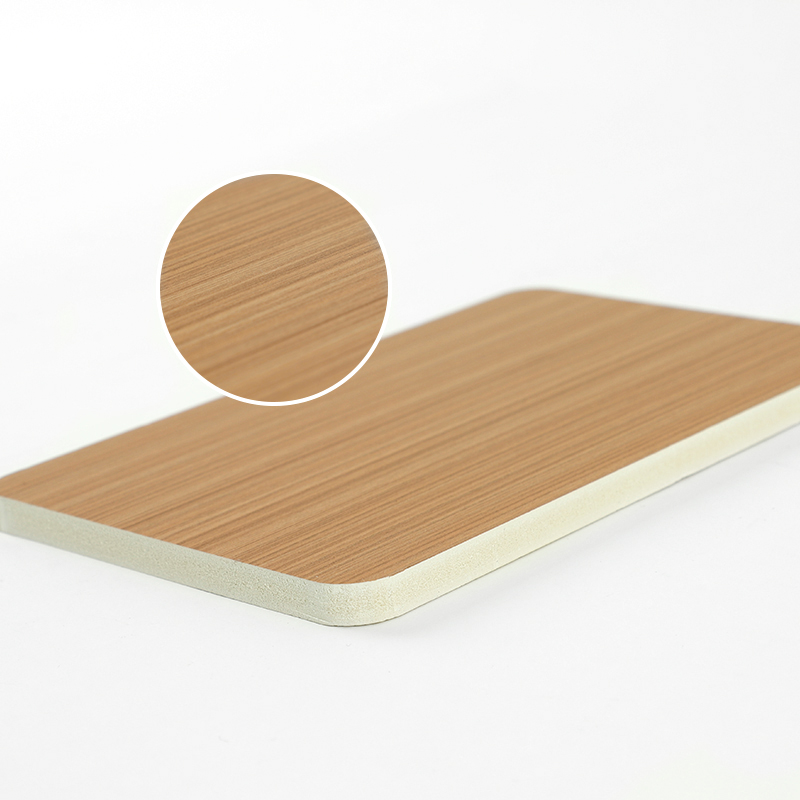
PVC Wall Panels are the optimal choice for commercial applications because they provide superior durability, ease of maintenance, and exceptional acoustic insulation, making them ideal for spaces such as conference rooms, hospitals, and educational facilities.
This guide is designed to help property managers, interior designers, and facility owners navigate the benefits and technical considerations of implementing these wall systems. By understanding how these panels perform in high-demand environments, you can make informed decisions that enhance the functionality and longevity of your commercial interiors. We will explore everything from installation best practices to the comparative advantages that set these systems apart from legacy materials.
Table of Contents
Section | Summary |
Advantages of PVC Wall Panels in Commercial Applications | Exploring the performance benefits, including durability and acoustic properties. |
Applications of PVC Wall Panels in Commercial Spaces | Identifying the diverse professional environments suitable for PVC wall solutions. |
How to Choose the Right PVC Wall Panels for Your Commercial Space | Guidance on selecting textures, sizes, and thicknesses for specific business needs. |
Installation Process of PVC Wall Panels | A step-by-step overview of how these panels are efficiently mounted for clean results. |
Maintenance Tips for PVC Wall Panels | Practical advice on keeping surfaces pristine in high-traffic settings. |
Why PVC Wall Panels Are Better Than Traditional Materials | A comparative analysis focusing on longevity and total cost of ownership. |
Advantages of PVC Wall Panels in Commercial Applications
The primary advantages of PVC Wall Panels in commercial settings include high impact resistance, excellent sound-absorbing capabilities, and the ability to provide a consistent, premium aesthetic that is easy to keep clean.
In environments like schools or healthcare facilities, the walls face constant exposure to movement, rolling equipment, and physical contact. PVC panels act as a protective barrier, maintaining their structural integrity where other materials might dent, chip, or require constant touch-up painting. Their unique composition also provides a significant benefit in terms of noise reduction. By helping to dampen ambient sound, these panels create a more focused environment in meeting rooms and libraries, which is essential for professional productivity.
Furthermore, these systems are inherently versatile. Whether your project requires a clinical, minimalist look or a warm, professional wood-grain texture, there is a wide range of options in our collection of premium PVC wall panels. The following benefits are consistently reported by facility managers:
High Durability: Resistance to wear and tear in high-traffic corridors.
Acoustic Insulation: Enhanced sound management, ideal for conference and training rooms.
Hygienic Surfaces: Smooth, non-porous faces that do not harbor dust or allergens.
Ease of Installation: Modular design allows for rapid deployment without business downtime.
Applications of PVC Wall Panels in Commercial Spaces
PVC Wall Panels are ideally suited for professional environments including libraries, conference rooms, dance studios, gymnasiums, medical centers, and kindergartens where foot comfort, sound control, and hygiene are top priorities.
The application of these panels is broad due to their specialized properties. In a library or conference room, the focus is on creating a quiet, serene atmosphere; the sound-dampening nature of the panels assists in controlling echoes. In active environments such as dance studios or gymnasiums, the panels provide a resilient background that can withstand accidental impact while maintaining a professional appearance.
Healthcare and educational settings, such as hospitals and kindergartens, benefit from the non-porous nature of the panels. These surfaces are incredibly easy to clean, ensuring that the facility remains compliant with high cleanliness standards. When combined with flooring systems that prioritize similar ergonomic and acoustic advantages, these wall panels create a complete, high-performance environment. You can explore how these materials hold up over time by reading our analysis on the longevity and durability of modern PVC installations.
How to Choose the Right PVC Wall Panels for Your Commercial Space
Choosing the right PVC Wall Panels involves evaluating the specific functional requirements of your space, such as traffic intensity, the need for sound attenuation, and the desired visual design language.
Selecting the appropriate material requires balancing aesthetics with technical performance. For high-traffic areas like corridors in a hospital or gymnasium, you should opt for thicker, high-density panels that offer maximum impact resistance. In executive offices or conference rooms, the focus might shift toward acoustic performance and refined finishes. Consider the following factors during your selection process:
Panel Thickness: Thicker panels provide better structural rigidity and impact resistance for heavy-duty areas.
Surface Texture: Matte finishes are ideal for reducing glare in brightly lit office spaces, while textured patterns can add depth to hallways or waiting areas.
Fire Safety Ratings: Ensure that the chosen panels meet the specific building code requirements for your commercial sector.
Design Integration: Review our extensive catalog of wall solutions to ensure the chosen aesthetic complements your furniture and interior branding.
Installation Process of PVC Wall Panels
The installation process of PVC Wall Panels is designed for efficiency and speed, utilizing modular tongue-and-groove systems or direct adhesive methods that minimize disruption to ongoing business activities.
Unlike heavy stone or wood cladding, these panels are lightweight and can be installed by small teams in a fraction of the time. The modular nature allows installers to adapt to the specific dimensions of any room, from small dance studios to large medical training facilities. Because the material can be cut and shaped on-site, it ensures a perfect fit even in rooms with complex architectural features.
A typical installation workflow includes:
Preparation: Ensuring the underlying wall surface is clean and level.
Framework or Adhesive: Installing the support grid or applying professional-grade bonding agents.
Mounting: Locking individual panels into place, ensuring a tight, seamless fit between segments.
Finishing: Applying trim or corner pieces to provide a clean, professional aesthetic.
Maintenance Tips for PVC Wall Panels
Maintaining PVC Wall Panels is straightforward, as their non-porous surface is resistant to staining and dust accumulation, requiring only routine wiping with non-abrasive cleaning agents.
For commercial spaces, efficient maintenance is the key to minimizing operational costs. Because these panels do not require painting, waxing, or specialized sealants, they remain looking new for much longer than traditional materials. To maintain their professional appearance, consider these routine steps:
Regular Cleaning: Use a soft cloth or microfiber mop with mild, non-abrasive detergent to remove surface dust or scuffs.
Avoid Harsh Chemicals: Steer clear of solvents or heavy bleach-based cleaners that could degrade the finish over time.
Inspections: Periodically check the joints and trim areas in high-traffic zones to ensure that all panels remain firmly secured.
Long-Term Care: Consult our detailed documentation on the lifecycle performance of wall systems to understand how your specific panels will age and what steps can maximize their operational life.
Why PVC Wall Panels Are Better Than Traditional Materials
PVC Wall Panels are superior to traditional materials like drywall or wood because they are moisture-resistant, significantly more durable against impacts, and require zero periodic repainting, leading to a much lower total cost of ownership.
When performing a comparative analysis, the data clearly supports the shift toward synthetic wall systems. Traditional drywall is prone to cracking, water damage, and surface abrasions that become visible in high-traffic office or educational settings. Wood panels, while aesthetic, are heavy, expensive to install, and require ongoing maintenance to prevent warping or pest issues.
The following table highlights why professionals choose PVC over traditional alternatives:
Feature | PVC Wall Panels | Traditional Drywall/Wood |
Impact Resistance | High | Low to Moderate |
Maintenance Effort | Minimal | Frequent (Painting/Repair) |
Installation Speed | Fast | Slow |
Acoustic Properties | Excellent | Poor |
Aesthetic Consistency | Long-lasting | Requires regular updates |
By opting for PVC, businesses not only save on initial installation labor but also benefit from reduced downtime and maintenance budgets. This makes them a strategic investment for any modern commercial property.